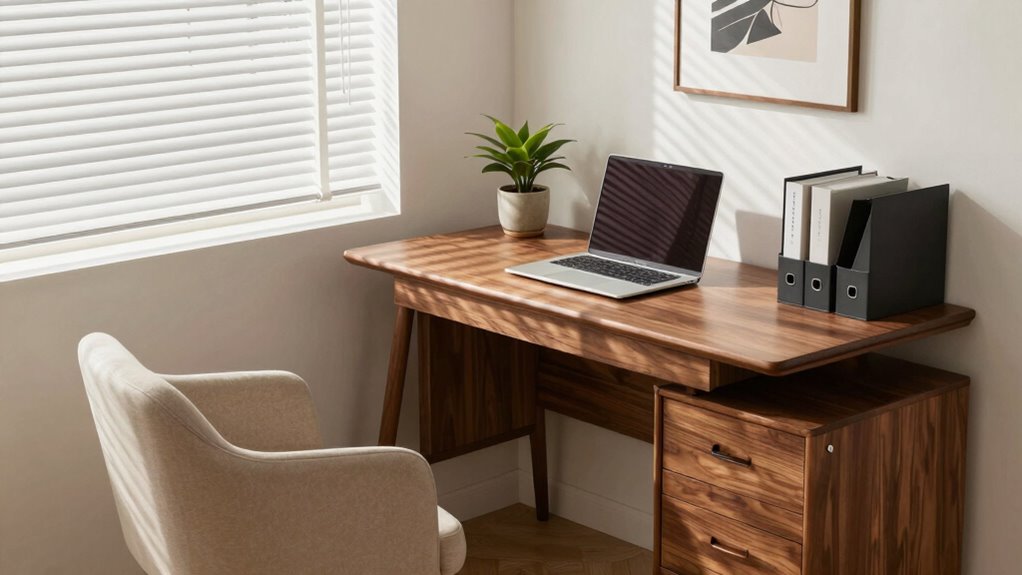
To qualify for a home office deduction, you must use a specific space exclusively for work all the time. This means no personal activities or multi-use areas in that space. For example, a dedicated spare bedroom used only as an office will meet this rule. If you keep everything separate and document the space properly, you could claim deductions. Want to learn how to maximize your deduction and avoid common pitfalls? Keep exploring for more details.
Key Takeaways
- The “exclusive use” rule requires the space to be used solely for business activities to qualify for deductions.
- A dedicated room like an office or workspace that is not used for personal activities generally meets the “exclusive use” criteria.
- Partial or shared spaces used for both personal and business purposes typically disqualify the deduction.
- Proper documentation, such as photos and detailed records, supports the claim and helps ensure compliance.
- Deductible expenses are proportional to the percentage of the home used exclusively for work.
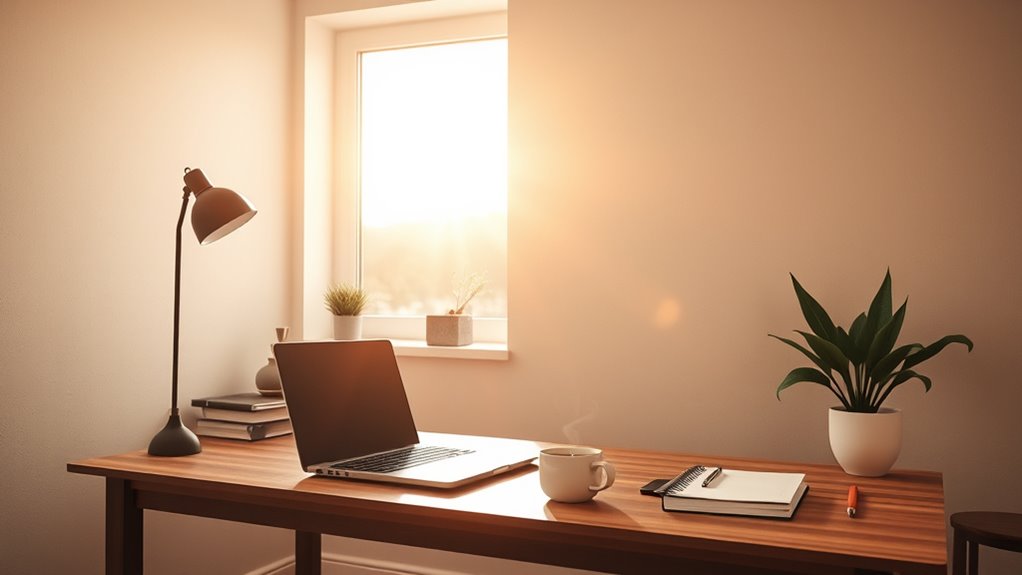
If you work from home, understanding the home office deduction can help you save money on your taxes. One of the most important aspects of this deduction is the “exclusive use” rule, which can seem confusing at first but is vital for maximizing your eligible expenses. When you claim a home office deduction, you need to show that the space you use for work is dedicated solely to your business activities. This means that the area must be used regularly and exclusively for work-related tasks, not for personal activities or as a multi-purpose space. If you meet this criterion, the expenses related to maintaining that space become deductible, helping you reduce your taxable income.
Using your home office exclusively for work can maximize your tax savings.
The key to qualifying for the home office deduction is to understand the qualifying criteria and what counts as deductible expenses. The IRS strictly requires that the space be used exclusively for business; even occasional personal use can disqualify you from claiming the deduction. For example, if you have a spare bedroom that you transform into an office and don’t use for anything else, it generally qualifies. On the other hand, if you use a corner of your living room for work, but also sit there for leisure, it may not meet the exclusive use requirement. It’s important to keep detailed records and photographs of your workspace to substantiate your claim if audited.
Once you establish that your space qualifies, you can deduct a portion of your home expenses. These deductible expenses include rent or mortgage interest, utilities, repairs, and depreciation—expenses directly related to maintaining your home office. To determine the deductible amount, you typically calculate the percentage of your home’s total space that your office occupies. If your home office takes up 10% of your total home, then 10% of your eligible expenses can be claimed. Remember, only the expenses that directly relate to your home office are deductible, and the IRS has specific rules about what qualifies.
It’s worth noting that you should keep meticulous records of all expenses and how you calculated the deductible portion. Proper documentation ensures you’re prepared if the IRS ever questions your deduction. By understanding the exclusive use rule and meeting the qualifying criteria, you can confidently claim your home office deduction and potentially save a significant amount on your taxes each year. Additionally, being aware of the affiliate disclosure and privacy policies can help you navigate online resources securely while researching tax deductions.
Frequently Asked Questions
Can I Claim a Home Office Deduction if I Work Remotely Part-Time?
Yes, you can claim a home office deduction if you work remotely part-time, but only for the days you use a dedicated space exclusively for work. Your expenses can qualify for partial deductions based on the percentage of your home used for work. Keep detailed records of your remote work days and expenses, so you can accurately claim the deduction without issues during tax time.
How Does the IRS Define “Exclusive Use” for a Home Office?
Think of “exclusive use” as your home office’s VIP pass. The IRS defines it as using a specific area solely for your business, like a dedicated corner, without any personal activities. If you meet this requirement, you’re eligible for the deduction under IRS guidelines. This strict rule guarantees your deduction is legit, so keep that space exclusive—no mixing laundry or family room business in there!
Are There Specific Square Footage Requirements for Claiming a Deduction?
There aren’t specific square footage requirements for claiming a home office deduction, but you must follow measurement guidelines to determine the space used exclusively for work. You should measure the area precisely, including walls and any built-in features, to establish the correct square footage. The space must be clearly designated as your principal place of business or for meeting clients, and accurate measurement ensures you meet IRS criteria for the deduction.
Can I Deduct Expenses if I Share My Home Office With Others?
You can’t deduct expenses if your home office is a shared space with multiple tenants, because the IRS requires exclusive use for the deduction. If you share your home office with others, it doesn’t qualify for the deduction unless you use a designated area solely for work. Keep in mind, the space must be used exclusively for your business to claim the deduction, even if sharing with others.
What Records Should I Keep to Substantiate My Home Office Deduction?
A picture is worth a thousand words, so keep detailed records. You should save receipts for home office furniture, utility bills, and any other expenses related to your workspace. Maintain a dedicated log of dates and amounts paid. Keep copies of your lease or mortgage statements, and document the specific area used exclusively for work. These records help substantiate your home office deduction if questioned by the IRS.
Conclusion
Understanding the home office deduction can save you money and boost your tax efficiency. Remember, only the space used exclusively for work qualifies, so keep detailed records. Did you know that over 80% of self-employed individuals take advantage of this deduction? By accurately applying the rules, you ensure you’re maximizing your benefits without risking an audit. Stay informed, stay compliant, and make the most of your home office expense deductions.