

Constant task switching can make you feel busy without actually making progress, increasing stress and draining your mental energy. When you flip from one task to another, your brain has to reorient and re-access information, which slows you down and causes fatigue. To stop this, try batching similar tasks, turning off notifications, and focusing on one thing at a time. Keep going to discover more ways to regain focus and boost your productivity.
Key Takeaways
- Batch similar tasks together to minimize mental shifts and maintain focus.
- Turn off notifications and eliminate distractions to prevent unnecessary task switching.
- Allocate dedicated time blocks for specific activities like emails or meetings.
- Focus on completing one task at a time to reduce cognitive load and improve efficiency.
- Prioritize tasks intentionally to avoid constant switching and feel more productive.

Many people feel busy simply because they switch between tasks frequently, but this constant shifting can actually reduce productivity and increase stress. When you multitask constantly, you fall into the trap of multitasking pitfalls that hinder your efficiency. Instead of getting more done, you end up spreading your attention thin, which raises your cognitive load — the amount of mental effort required to process information. As your cognitive load increases, your ability to focus diminishes, making it harder to complete tasks effectively. This cycle feeds into a feeling of busyness that’s more about constant activity than actual progress.
Constant task switching reduces focus and increases stress, making you feel busier without real progress.
The core issue lies in how your brain handles task switching. Every time you shift from one task to another, your brain needs to reorient itself, retrieve relevant information, and adjust its focus. This process takes time and mental energy, and it’s often more taxing than you realize. The more frequently you switch, the more your cognitive resources are drained, leading to mental fatigue and decreased productivity. This mental juggling increases your perception of busyness, even if you’re not accomplishing as much as you think. It’s a classic example of how multitasking pitfalls can sabotage your best efforts.
To break free from this cycle, you need to minimize task switching. Start by batching similar tasks together, so your brain doesn’t have to constantly recalibrate. For example, set aside specific blocks of time for emails, meetings, or creative work. When you focus on one type of task, your cognitive load stays manageable, and you can dive deeper without interruption. Also, turn off notifications and eliminate distractions that tempt you to switch tasks prematurely. This helps you maintain focus and reduces the mental energy spent on switching gears. Leveraging local automation can further streamline your workflow by reducing manual task switching and automating routine actions, freeing up cognitive resources for more important tasks.
Another effective strategy is to practice mindfulness and develop a habit of intentional task prioritization. When you’re aware of what truly needs your attention, you’re less likely to feel overwhelmed and more likely to stay committed to completing one task before moving on. This approach not only cuts down on unnecessary task switching but also boosts your overall efficiency and sense of accomplishment. Remember, feeling busy doesn’t have to mean constantly jumping from one thing to another; it’s about working smarter and managing your cognitive load effectively. By doing so, you’ll find that your productivity improves, and your stress levels decrease, giving you a more satisfying sense of progress and control.

Task Planner & Activity Log Notepad – 60 Page Undated Daily & Hourly Planning Pad, To-Do List, Checklist, Track Time & Tasks, ADHD Tracker – Organize Workday, Boost Productivity – 8.5 x 11 Tear Sheets Life Charge
All-in-One Task Planner & Activity Log Book. This dual-purpose notepad features a structured to-do list (Top Priority, Follow-Up,…
As an affiliate, we earn on qualifying purchases.
As an affiliate, we earn on qualifying purchases.
Frequently Asked Questions
How Does Task Switching Affect Long-Term Productivity?
Task switching hampers your long-term productivity by increasing cognitive fatigue, making it harder to sustain focus over time. When you frequently switch tasks, your focus resilience weakens, leading to slower progress and more mistakes. This constant shifting drains mental energy, reducing your ability to concentrate deeply on important goals. To improve long-term productivity, minimize unnecessary task changes, allowing your brain to build momentum and develop better focus resilience.
What Are the Mental Health Implications of Constant Task Switching?
Constant task switching can drain your mental health by increasing stress and decreasing emotional resilience. It leaves you feeling overwhelmed and distracted, making it harder to manage emotions effectively. To counteract this, practice mindfulness regularly, which helps you stay present and reduce anxiety. Building emotional resilience allows you to better handle interruptions and maintain mental clarity, ultimately improving your overall well-being and reducing the negative effects of frequent task switching.
Can Multitasking Improve Efficiency or Only Hinder It?
Multitasking often hinders your efficiency more than it helps. Imagine juggling emails, calls, and reports; your workload perception feels overwhelming, but your focus quality drops. Studies show that switching tasks reduces productivity and increases errors. Instead, dedicating focused blocks to each task enhances accuracy and speed. So, rather than multitasking, prioritize one task at a time to improve your efficiency and reduce mental fatigue.
Are There Specific Tasks More Affected by Switching Than Others?
Certain tasks, like complex or creative work, are more affected by switching because they require deep focus. To minimize this, use prioritization strategies to identify high-impact tasks and batch similar activities together. When you group related tasks, you reduce switching and boost efficiency. This way, you stay focused longer, avoid unnecessary interruptions, and get more done without feeling overwhelmed.
How Do Individual Differences Influence Susceptibility to Feeling Busy?
Your personality traits and cognitive styles heavily influence how susceptible you are to feeling busy. For example, if you’re highly conscientious or detail-oriented, switching tasks may feel more stressful and overwhelming. Conversely, those with flexible cognitive styles might adapt more easily and feel less busy. Recognizing your traits helps you manage task switching better, reducing perceived busyness and improving focus.

RUNOLIM Hybrid Active Noise Cancelling Headphones, Wireless Over Ear Bluetooth Headphones with Microphone, 70H Playtime, Foldable Headphone with HiFi Audio, Deep Bass for Home Travel Office
ADVANCED ACTIVE NOISE CANCELLATION: RUNOLIM noise canceling headphones for adults have been proven to effectively reduce external ambient…
As an affiliate, we earn on qualifying purchases.
As an affiliate, we earn on qualifying purchases.
Conclusion
Imagine juggling several balls at once; it’s exhausting and chaotic. That’s what task switching feels like—constant mental tosses that leave you drained. Studies show multitasking reduces productivity by up to 40%. To feel less busy, focus on one task at a time, like holding just one ball steadily. When you simplify, you regain control and clarity. Stop jumping between tasks, and watch your workload become manageable—like catching that single, steady ball instead of dropping them all.
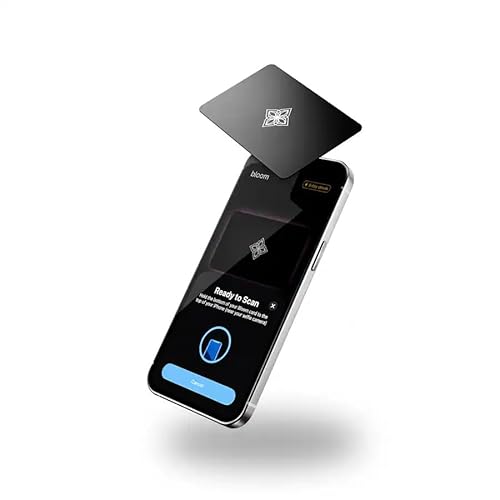
Bloom Card – App Blocker & Screen Time Tool – As Seen On Abc's Shark Tank – Subscription-Free Focus Device – Stainless Steel Keycard for iPhone & Android
LOCK APPS AND WEBSITES INSTANTLY – Bloom is a stainless steel NFC keycard that blocks your most distracting…
As an affiliate, we earn on qualifying purchases.
As an affiliate, we earn on qualifying purchases.

Rotating Pomodoro Timer 5, 25, 10 50 Minutes Preset, Desk Productivity Flip Timer, ADHD Tool Cube Countdown Stopwatch, Vibration/High/Low Volume/Custom Modes, for Work, Study, Back to School, Kitchen
A Real Pomodoro Task Timer. The pomodoro technique is a time management method based on 25-minute stretches of…
As an affiliate, we earn on qualifying purchases.
As an affiliate, we earn on qualifying purchases.