
Your elbows are the real starting point for an ergonomic workspace because they directly influence your wrist and shoulder health. When you keep your elbows at a 90-degree or slightly open angle, your forearms stay parallel to the ground, reducing strain. Proper elbow positioning helps prevent discomfort and injury over time. If you want to improve your overall comfort and avoid long-term issues, understanding how to optimize your elbow alignment is essential—there’s more to discover about making your workspace truly ergonomic.
Key Takeaways
- Proper elbow positioning ensures wrist and shoulder alignment, reducing strain and preventing repetitive injuries.
- Adjusting chair height to maintain elbows at a 90-degree angle promotes ergonomic comfort.
- Maintaining relaxed elbows supports overall posture and minimizes tension in neck and shoulders.
- Awareness of elbow placement helps sustain ergonomic alignment during extended work periods.
- Starting with correct elbow positioning creates a foundation for an effective, injury-free workspace setup.

When setting up your workspace, many people focus on adjusting their chairs and monitors first, but the true ergonomic foundation starts with your elbows. Your elbows act as a critical pivot point for your arms, influencing your wrist alignment and overall comfort. If your elbows are poorly positioned, even the most advanced chair or monitor setup can’t prevent strain or discomfort. That’s why it’s essential to start here, ensuring your elbows are at a natural, relaxed angle. When your elbows are correctly aligned, your wrists tend to follow suit, reducing the risk of repetitive strain injuries like carpal tunnel syndrome. Proper ergonomic alignment ensures that your entire setup promotes comfort and reduces injury risk.
To achieve proper elbow positioning, start by adjusting your chair height. Your chair should be set so that your elbows rest comfortably at a 90-degree angle or slightly more open when your hands are on your keyboard or mouse. This position keeps your forearms parallel to the ground and minimizes tension in your shoulders and neck. If your chair is too high, you’ll find yourself elevating your shoulders or reaching upward, which causes unnecessary strain. Conversely, if it’s too low, you’ll be hunching forward or stretching your arms downward, disrupting wrist alignment. Proper chair height ensures your elbows are naturally positioned, making it easier to maintain good wrist posture. Additionally, understanding postural awareness can help you maintain these optimal positions throughout your workday. Developing muscle balance in your arms and shoulders also plays a key role in sustaining ergonomic comfort over time. Ensuring your workspace supports proper joint alignment can further enhance your comfort and prevent discomfort. Maintaining consistent movement during your workday can also prevent stiffness and promote long-term ergonomic health.
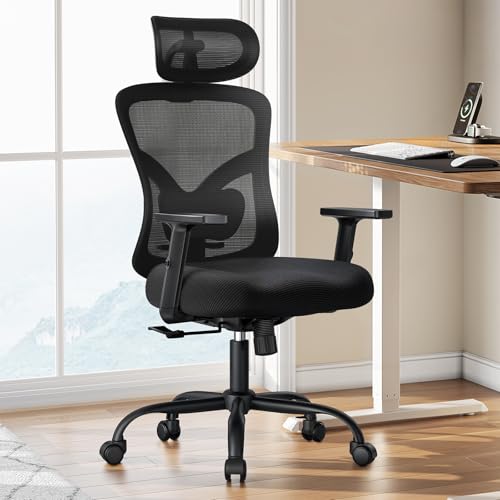
Marsail Ergonomic Office Chair Ergonomic Gaming Chair with Lumbar Support, 2D Headrest, Adjustable Armrests, Contoured Seat Cushion, Computer Desk Chair with Wheels for Home and Office
Adjustable Lumbar Support: This ergonomic office chair is designed to align with the natural curve of your spine….
As an affiliate, we earn on qualifying purchases.
As an affiliate, we earn on qualifying purchases.
Frequently Asked Questions
How Do I Adjust My Desk for Optimal Elbow Positioning?
To adjust your desk for ideal elbow positioning, start by setting your chair height so your elbows are at a 90-degree angle when you rest your forearms on the desk. Make certain your wrists are aligned with your forearms to prevent strain. Adjust the desk height if needed, so your elbows stay close to your sides and your wrists remain in a neutral position. This setup promotes comfort and reduces fatigue during work.
What Are Signs of Poor Elbow Ergonomics?
Signs of poor elbow ergonomics include limited elbow flexibility, which makes it hard to maintain a comfortable angle, and arm fatigue that occurs quickly during tasks. You might notice your elbows constantly aching or feeling strained, especially after prolonged work. If your elbows are tensed or if you experience discomfort, it’s a clear sign you need to adjust your workspace to support better elbow positioning and reduce strain.
Can Elbow Positioning Reduce Wrist Strain?
Yes, adjusting your elbow angle can substantially reduce wrist strain. When your elbows are positioned at a 90-degree angle and close to your body, it helps maintain proper wrist alignment, preventing unnecessary stress. Keep your wrists in a neutral position, aligned with your forearms, and avoid overextending or bending them. Proper elbow positioning ensures better ergonomic support, reducing fatigue and the risk of repetitive strain injuries.
Are Elbow Supports Necessary for Extended Typing Sessions?
Elbow supports are a game-changer during extended typing sessions, and skipping them is like trying to build a skyscraper on quicksand! Elbow cushions or ergonomic cushions help maintain proper arm alignment, reducing strain and fatigue. They’re especially essential if you experience discomfort or ache after hours of work. Investing in these supports can dramatically improve comfort and prevent long-term issues, making your typing experience much more sustainable.
How Often Should I Reassess My Elbow Posture?
You should reassess your elbow posture regularly, ideally every few weeks or whenever you notice discomfort. Keep an eye on your elbow angle and arm alignment, ensuring your elbows stay close to a 90-degree angle and your forearms are parallel to the desk. Frequent checks help you maintain proper ergonomics, prevent strain, and adapt to any changes in your workspace or posture habits.

GORILLA GRIP Silky Memory Foam Wrist Rest for Computer Keyboard, Mouse, Ergonomic Design for Typing Pain Relief, Desk Pads Support Hand and Arm, Mousepad Rests, Stain Resistant, 2 Piece Pad, Black
ULTRA THICK MEMORY FOAM: experience more comfort while you work; thickest memory foam interior of the wrist rest…
As an affiliate, we earn on qualifying purchases.
As an affiliate, we earn on qualifying purchases.
Conclusion
Think of your elbows as the foundation of a sturdy house; when they’re properly aligned, everything else stacks up smoothly. Ignoring them is like building on shaky ground—eventually, the whole structure risks collapsing. By paying attention to your elbows and keeping them comfortable, you’re not just improving your posture—you’re creating a resilient, ergonomic framework that supports you every day. So, start at the base, and watch your comfort and productivity rise like a well-built skyscraper.

VIVO 32 inch Desk Converter, K Series, Height Adjustable Sit to Stand Riser, Dual Monitor and Laptop Workstation with Wide Keyboard Tray, Black, DESK-V000K
Create Instant Active Standing – VIVO’s desk riser provides on-demand standing throughout the day for the freedom to…
As an affiliate, we earn on qualifying purchases.
As an affiliate, we earn on qualifying purchases.

MEKASS L-Shaped Desk Elbow Pad for Desk, Memory Foam Elbow Support Padding with Non-Slip, 2-Piece Ergonomic Desk Edge Cushion, Wrist Comfort Support for Office Home (Diamond Black)
Ergonomic L-Shaped Elbow Pad: The L-shaped design snugly wraps around desk edges to provide comfortable arm and elbow…
As an affiliate, we earn on qualifying purchases.
As an affiliate, we earn on qualifying purchases.