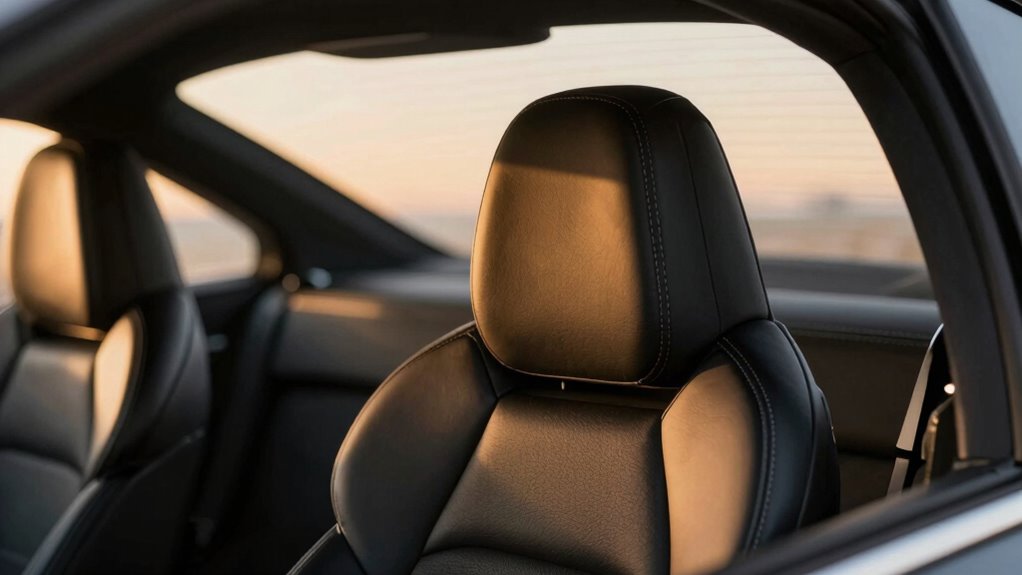

Instead of asking if you should use a headrest, the better question is whether yours is properly designed and adjusted. A well-placed headrest supports your head and neck, reducing injury risks like whiplash and improving comfort on the road. Proper adjustment ensures it’s close enough to prevent excessive movement, especially during sudden stops. If you want to know how to optimize your headrest for safety and comfort, keep exploring the key principles.

Get comfort and recovery gear delivered free with Prime
- Fast, free delivery on millions of items
- Prime Video, Amazon Music and more included
- Member-only deals all year
Key Takeaways
- Determine if the vehicle has a properly adjustable headrest designed for safety and ergonomic support.
- Prioritize headrest presence if safety features like whiplash prevention are important.
- Assess whether the headrest can be adjusted to align correctly with your head for comfort and safety.
- Consider if removing or disabling the headrest compromises safety during a collision.
- Evaluate the vehicle’s safety standards and headrest design to decide if it’s necessary or beneficial.
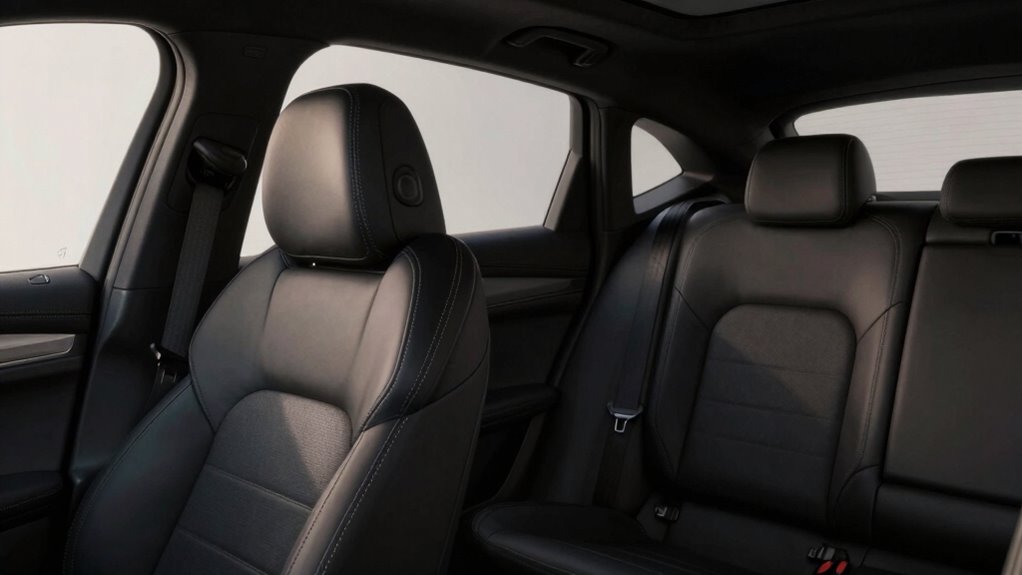
Have you ever wondered whether a headrest makes your car seat safer or just more comfortable? It’s a common question, but the answer isn’t as simple as it seems. While many people think of headrests as optional accessories, they actually play an essential role in both comfort and safety, especially when it comes to protecting your neck and spine during a collision. The key to understanding their true value lies in considering ergonomic design and safety considerations. A well-designed headrest isn’t just about supporting your head; it’s about aligning your posture and reducing injury risk in an accident.
When you sit in a car with the right headrest adjusted properly, it promotes ergonomic design by supporting your head and neck in a natural position. Proper adjustment ensures your headrest is close enough to prevent excessive movement if a sudden stop or crash occurs. This is where safety considerations come into play. A headrest that’s too low or too far back might feel comfortable during normal driving, but it won’t provide the necessary protection during a rear-end collision. Conversely, an improperly positioned headrest can cause strain or discomfort, so it’s imperative to set it at the correct height—usually so the top is level with the top of your head or just above your ears. Understanding ergonomic principles can help you choose and adjust your headrest more effectively. Additionally, being aware of safety features in modern headrests can guide you toward choosing models that offer enhanced protection. Properly designed headrests often incorporate adjustable features that allow for a customized fit, further improving safety and comfort. Recognizing the importance of proper adjustment can make a significant difference in maximizing both safety and comfort while driving.
In terms of safety considerations, headrests reduce the risk of whiplash injuries, which happen when your head snaps backward suddenly. By limiting the backward movement of your head, a properly adjusted headrest minimizes strain on your neck and spine. It’s not enough to just have a headrest, though; you need one that’s designed with ergonomic principles in mind. Modern headrests are often built with foam padding and adjustable features, allowing you to customize support for maximum comfort and protection. This combination of ergonomic design and safety features ensures that your headrest isn’t just a comfort accessory but a critical safety component. Investing in a well-designed headrest can significantly enhance your overall driving safety and comfort.
As an affiliate, we earn on qualifying purchases.
Frequently Asked Questions
How Does Headrest Placement Affect Overall Driving Posture?
Headrest placement greatly influences your overall driving posture by supporting your neck and maintaining ergonomic alignment. If the headrest is too low or high, it can cause strain and discomfort. Adjust the headrest height so it aligns with the back of your head, just below the top of your ears. Proper placement guarantees your spine stays aligned, reduces fatigue, and enhances safety during long drives.
Are There Safety Standards for Headrest Design?
You can bet safety standards do exist for headrest design, ensuring your protection. These standards focus on ergonomic design to support your neck and prevent injuries during collisions. Manufacturers also prioritize material durability, so headrests withstand wear and tear over time. Always check for compliance labels, as these standards are in place to keep you safe and comfortable. Knowing this, you can confidently choose a headrest that meets safety and comfort needs.
Can a Headrest Prevent Whiplash Injuries Effectively?
A headrest can help prevent whiplash injuries effectively by limiting the backward movement of your head during a collision. While seat belts and airbags are vital for overall safety, a properly adjusted headrest provides added protection by supporting your neck and reducing strain. Remember, for maximum safety, make sure your headrest is correctly positioned—aligned with the top of your head—and use your seat belt and airbags in tandem.
What Materials Are Best for Adjustable Headrests?
You should choose adjustable headrests made from durable, high-quality materials like memory foam, high-density foam, or sturdy plastics, which provide *ideal* ergonomic support. These materials *guarantee* the headrest maintains its shape and effectiveness over time, offering consistent comfort and protection. Look for options with reinforced joints and strong padding, as durability is key to long-lasting support that adapts to your needs while preventing discomfort during long periods of sitting.
How Do Headrests Impact Long-Term Comfort During Drives?
Sure, your headrest might be plotting against you, but it actually boosts long-term comfort. It supports ergonomic seating, reducing neck strain on those endless drives, and even adds to interior aesthetics by giving your car a sleek, finished look. Without it, you risk headaches and discomfort that turn a pleasant ride into a torturous ordeal. So, keep that headrest; your neck and style will thank you.
As an affiliate, we earn on qualifying purchases.
Conclusion
So, next time you settle into your car seat, imagine the gentle support of a headrest cradling your neck like a soft cloud. Whether you choose to keep it or remove it, ask yourself which option lets you sit more comfortably and confidently on every journey. Picture yourself driving smoothly down an open road, your posture perfect, your mind at ease. Sometimes, the simplest choice can make your drive safer and more comfortable—so make it wisely.
As an affiliate, we earn on qualifying purchases.
As an affiliate, we earn on qualifying purchases.
Columbus Day / Indigenous Peoples' Day Picks
long weekend sales
As an affiliate, we earn on qualifying purchases.