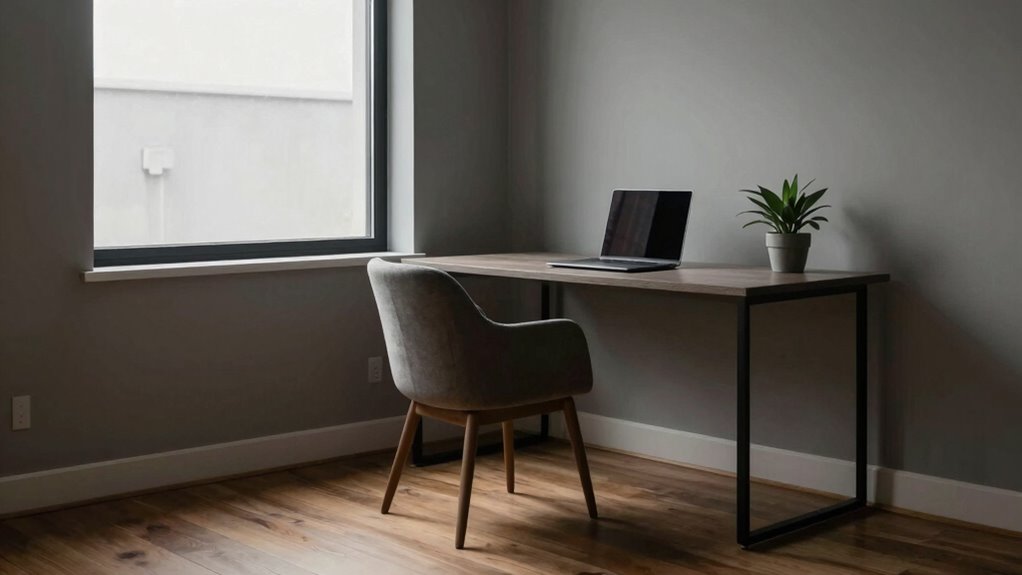

If you work from home, the extreme silence can feel more distracting and draining than office noise. Without background sounds, you might notice every tiny noise or even the silence itself, making it harder to concentrate. This “too quiet” atmosphere can increase mental fatigue and reduce your focus. The good news is, adding gentle background sounds like music or nature noises can help. Keep exploring to discover practical ways to create a more balanced workspace.

Get comfort and recovery gear delivered free — and shop member deals
- Fast, free delivery on millions of items
- Access to Prime Big Deal Days deals on October 6–7
- Prime Video, Amazon Music and more included
Key Takeaways
- Silence in home offices can cause mental fatigue and reduce focus by highlighting distracting or unsettling sounds.
- Lack of background noise makes the environment feel incomplete, decreasing productivity and increasing distraction.
- Incorporating gentle sounds like music or white noise creates a steady auditory backdrop that enhances concentration.
- Managing sound levels helps maintain alertness and prevents over-awareness of silence, reducing mental exhaustion.
- Creating a balanced sound environment transforms a “too quiet” space into a more engaging and productive workspace.
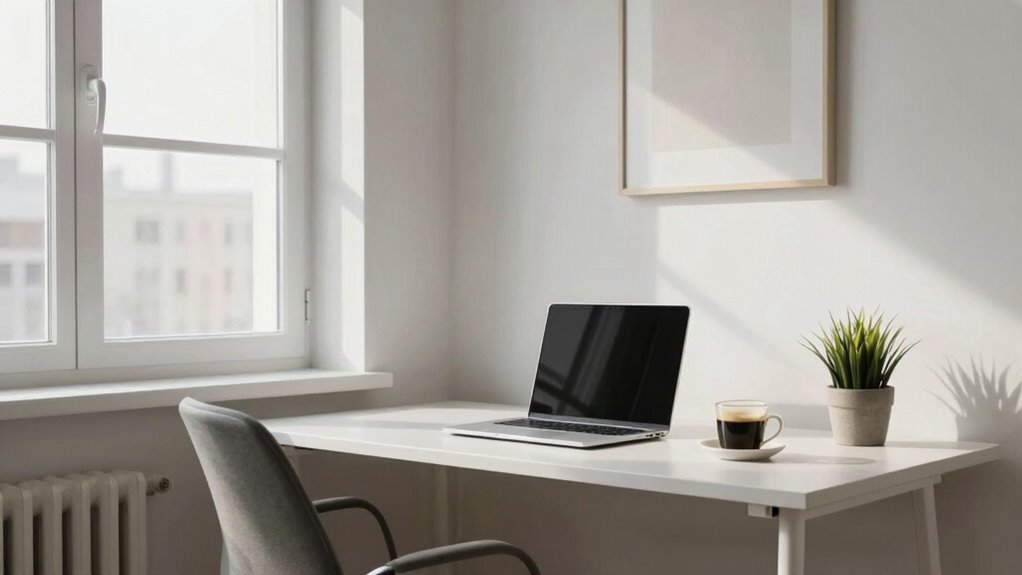
For many people working from home, the silence can be more unsettling than busy office noise. When your environment is too quiet, it can feel like something is missing, making it difficult to settle into a productive mindset. This absence of background noise can have a surprising impact on your mental alertness. Without the usual hum of chatter, keyboard clicks, or distant conversations, your mind may become overly focused on silence itself, leading to distraction or even a sense of discomfort. You might find yourself constantly aware of the quiet, which can drain your energy and make it harder to concentrate on your tasks.
Too much silence at home can disrupt focus and increase distraction, making it harder to stay productive and energized.
In an office setting, background noise acts as a kind of cognitive lubricant. It masks distractions and helps keep your brain engaged without overwhelming it. But in your home office, the silence can have the opposite effect. Instead of providing a peaceful workspace, it creates a vacuum that can make you hyper-aware of every small sound—or lack of it. This heightened awareness can lead to mental fatigue, as your brain tries to fill the silence with imagined noises or thoughts, pulling your focus away from your work. The quiet can also make it harder to enter a flow state, where deep focus becomes natural, because your mind keeps wandering back to the stillness. Incorporating background sounds can help mitigate this issue and improve your overall focus. Additionally, choosing the right type of soundscape can support your mood and reduce stress during work hours.
To combat this, you might consider adding some gentle background noise. Playing soft music, white noise, or ambient sounds can help simulate the environment of a busy office and promote better mental alertness. These sounds act as a steady auditory backdrop, reducing the tendency for your mind to fixate on the silence. It’s not about creating chaos; it’s about introducing just enough noise to keep your brain engaged without distracting you. Many people find that a consistent, moderate level of background noise helps sustain focus and makes the workday feel less isolating. Additionally, understanding the importance of environmental factors can guide you in optimizing your workspace for better productivity. Recognizing how auditory environment influences focus can help you make more informed decisions about your workspace setup.
Simple solutions like a fan, a playlist of instrumental music, or a nature soundscape can make a significant difference. The goal is to find a balance where the environment feels lively enough to keep your mind alert but not so noisy that it distracts you from your tasks. When you manage to introduce the right level of background noise, you’ll notice your mental alertness improves, and the “too quiet” problem becomes less of an obstacle. Instead, your home office becomes a space that supports focus and productivity, even amid silence. Creating an environment with appropriate sound levels can become a key part of your minimalist workspace, helping you maintain clarity and calm throughout your workday.
As an affiliate, we earn on qualifying purchases.
Frequently Asked Questions
How Can I Tell if My Home Office Is Too Quiet?
You can tell if your home office is too quiet if you notice distracting silence that hampers your focus. To fix this, try sound masking devices that add ambient noise, or implement acoustic treatments like rugs, curtains, or wall panels to soften echoes. These solutions help create a balanced sound environment, reducing the discomfort of silence and boosting your productivity. If silence feels unsettling, your office might need some sound reinforcement.
What Are the Health Effects of Excessive Silence at Work?
Excessive silence at work can quietly impact your health by increasing stress and reducing focus. You might notice feelings of isolation or difficulty staying alert. To counter this, try mindfulness meditation to center your mind and incorporate sound masking—like gentle background noises—to create a more balanced environment. These small adjustments can help improve your well-being, keeping you engaged and focused throughout your workday.
Are There Specific Sounds That Improve Focus in a Quiet Space?
Yes, certain sounds can boost your focus in a quiet space. Ambient noise, like soft background music or nature sounds, helps create a subtle environment that minimizes distraction. Sound masking, such as white noise or specialized machines, effectively covers disruptive noises, making it easier to concentrate. You can experiment with these sounds to find what best enhances your focus, ensuring your workspace feels engaging without becoming overwhelming.
How Do I Balance Quietness and Background Noise Effectively?
To balance quietness and background noise, incorporate ambient noise or sound masking to create a comfortable environment. You can use white noise machines, nature sounds, or soft music to fill the silence without overwhelming you. These sounds help mask distracting noises and improve focus. Experiment with different types of ambient noise until you find what enhances your concentration, making your home office more productive and less painfully quiet.
Can Silence Impact My Productivity or Creativity Negatively?
Silence can negatively impact your productivity and creativity by increasing ambient noise and cognitive distraction. When there’s no background sound, your mind may focus too intently, leading to mental fatigue or feelings of isolation. A moderate level of ambient noise often boosts creative thinking and helps maintain focus. So, instead of complete silence, try adding gentle background sounds to create an environment that fosters both productivity and creativity.
ambient sound speaker for workspace
As an affiliate, we earn on qualifying purchases.
As an affiliate, we earn on qualifying purchases.
Conclusion
Imagine working in your home office, feeling the silence grow heavier each day. Without the buzz of colleagues or ambient noise, it’s easy to lose focus or feel isolated. For instance, Sarah found that playing soft background music helped her stay alert and motivated. If your home workspace feels too quiet, try creating gentle background sounds or routines to boost your productivity and mood. Small changes can make a big difference in breaking the silence and keeping you engaged.
background noise generator for home office
As an affiliate, we earn on qualifying purchases.
As an affiliate, we earn on qualifying purchases.
As an affiliate, we earn on qualifying purchases.
Halloween Picks
halloween
As an affiliate, we earn on qualifying purchases.