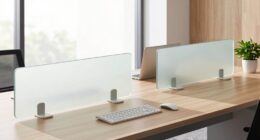
In shared rooms, clear visual boundaries help you create respectful, comfortable spaces that rules alone can guarantee. Using color schemes, furniture placement, and design elements, you signal personal zones without physical barriers. These visual cues reduce conflicts, improve privacy, and foster a sense of ownership. When you set boundaries visually, everyone understands their space better, and harmony is easier to maintain. Keep exploring how thoughtful design makes shared environments more peaceful.
Key Takeaways
- Visual boundaries create clear personal zones, reducing conflicts and misunderstandings better than rules alone.
- Color cues and furniture arrangement provide intuitive signals of space, fostering comfort and ownership.
- Design elements enhance privacy and define areas without physical barriers or strict regulations.
- Effective visual boundaries improve space management, making shared environments more harmonious.
- Intentional design addresses subtle social dynamics, promoting respectful coexistence beyond mere rules.

In shared living spaces, establishing clear visual boundaries can considerably improve comfort and privacy. When you create distinct areas within a room, it becomes easier to maintain personal space, reduce conflicts, and foster a sense of ownership. Visual boundaries aren’t just about rules or restrictions—they’re about designing your environment so that each person feels a sense of control and comfort. One effective way to do this is through thoughtful color schemes. Choosing different colors for each section of the room helps signal boundaries without needing physical barriers. For instance, using warm, inviting tones in one area and cooler, calmer shades in another visually separates spaces, making it clear where one person’s territory ends and another’s begins. This subtle cue can lessen the likelihood of intrusions and misunderstandings, creating a more harmonious shared environment. Incorporating visual cues into the design can further enhance the clarity of boundaries and improve overall harmony.
Additionally, understanding spatial organization can be instrumental in designing effective visual boundaries. Furniture arrangements are equally crucial in establishing these visual boundaries. Instead of placing furniture randomly, you can strategically position pieces to define specific zones. For example, a bookshelf or a sofa can act as a visual divider between sleeping and working areas. When you place furniture thoughtfully, you create natural barriers that give each person a sense of privacy. This doesn’t mean you need to block off entire sections—small adjustments like shifting a desk or adding a screen can do the trick. The key is to design your space in a way that visually communicates boundaries without making the room feel cramped or cluttered.
Combining color schemes and furniture arrangements allows you to craft a room that feels open yet clearly divided. You might use a different rug under each seating area or position furniture to create distinct pathways, subtly guiding movement and usage. These design choices help everyone in the shared space feel more comfortable because they know their personal area is visually separate from others’. It’s about creating a balance—giving each person a sense of ownership while maintaining a shared environment that’s welcoming and functional.
Ultimately, effective visual boundaries in shared rooms come down to intentional design. When you thoughtfully select color schemes and arrange furniture with purpose, you reduce tension and increase comfort. Rules alone can’t address the nuances of shared living—visual boundaries through design speak directly to how we experience and navigate our space. By doing so, you foster a more respectful, peaceful coexistence that benefits everyone involved.
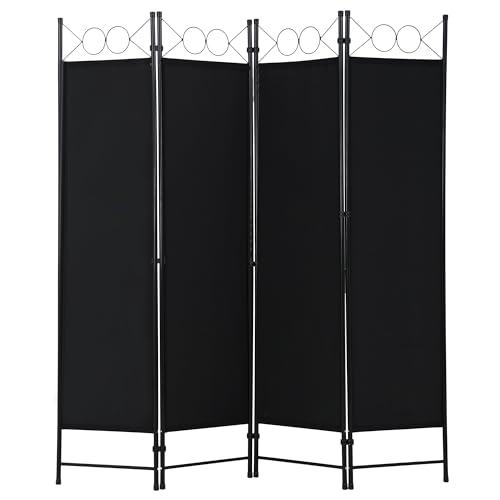
FDW 4-Panel Folding Room Divider | 6ft, Coal Black | Light & Portable
- Flexible Panel Design: Creates customizable privacy zones
- Space-Saving Folding: Folds flat for easy storage
- Sturdy Steel Frame: Ensures durability and stability
As an affiliate, we earn on qualifying purchases.
As an affiliate, we earn on qualifying purchases.
Frequently Asked Questions
How Do Visual Boundaries Impact Room Functionality?
Visual boundaries greatly enhance room functionality by creating clear zones, helping you stay organized and focused. Using ambient lighting, you can subtly define these spaces, while color psychology influences mood and behavior within each zone. When boundaries are visually distinct, you avoid clutter and confusion, making shared rooms more comfortable and efficient. This approach guarantees everyone knows their space, promoting harmony and better use of the room’s full potential.
What Materials Are Best for Creating Visual Boundaries?
You should choose materials like fabric dividers or glass panels, as they effectively create visual boundaries. Opt for items that align with color psychology—calming blues or energizing yellows—to influence mood. Additionally, prioritize material durability to guarantee they withstand daily wear and tear. These choices help define space clearly, improve functionality, and promote harmony in shared rooms without sacrificing style or comfort.
Can Visual Boundaries Improve Privacy Without Physical Barriers?
Yes, visual boundaries can dramatically boost your privacy without bulky barriers. By strategically using color contrasts, furniture placement, or decorative screens, you create a sense of separation that feels almost magical. These techniques enhance privacy, making your space feel more personal and secure. Plus, they seamlessly blend into your room’s aesthetic, ensuring privacy enhancement doesn’t come at the expense of style. You’ll love how these subtle cues transform shared spaces into private retreats.
How Do Visual Boundaries Influence Occupant Behavior?
Visual boundaries considerably influence your behavior by enhancing privacy and creating defined personal spaces. When these boundaries are well-designed, you feel more comfortable, which encourages respectful interaction and reduces conflicts. They also support aesthetic integration, making the space feel cohesive and inviting. By clearly marking zones, you subconsciously respect others’ privacy, fostering a harmonious environment where everyone can relax and focus without feeling exposed or crowded.
Are There Cultural Considerations in Designing Visual Boundaries?
You recognize that cultural symbolism shapes how visual boundaries are perceived, so you tailor designs to reflect shared cultural values. Imagine vibrant tapestries or subtle color cues that evoke aesthetic harmony, resonating deeply with occupants. By respecting these cultural nuances, you create boundaries that feel natural and respectful, fostering comfort and understanding. This thoughtful approach guarantees visual cues promote harmony, honoring diverse backgrounds while enhancing shared space functionality.
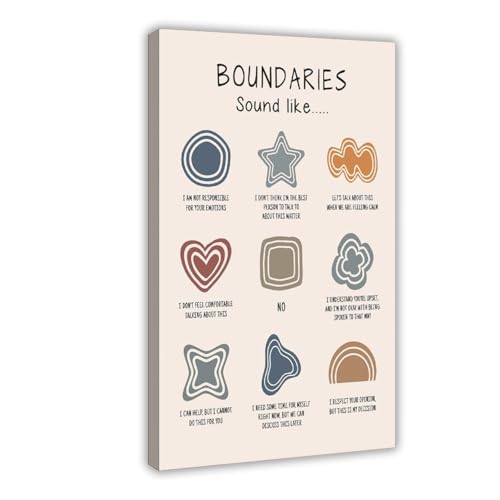
BMtyDG Boundaries Poster, Boundaries Sound Like Printable, Setting Personal Boundaries, Therapy Office Decor, Mental Health, Boundary Statements Canvas Poster Bedroom Decor Room Decor Frame 12x18inch
- Wall Art Style Options: Framed and unframed choices available
- Shop for More Posters: Explore our shop for similar designs
- High-Quality Wall Decor: Printed on waterproof, eco-solvent canvas
As an affiliate, we earn on qualifying purchases.
As an affiliate, we earn on qualifying purchases.
Conclusion
In the end, creating clear visual boundaries isn’t about drawing strict lines; it’s about gently guiding everyone to feel comfortable and at ease. When shared spaces have subtle cues and thoughtful divisions, you help foster harmony without imposing. Think of it as offering a warm, inviting embrace—where everyone knows their space without feeling boxed in. By softening the visual edges, you turn a shared room into a welcoming haven everyone can truly enjoy.

1: 18 Scale Dining Room Furniture Set for Dolls and Miniature Displays Small Scale Furniture
- Flexible configuration: Rearrange tables and chairs easily
- Compact size: Easy to transport and store
- Safe and durable: Made from tested, secure materials
As an affiliate, we earn on qualifying purchases.
As an affiliate, we earn on qualifying purchases.
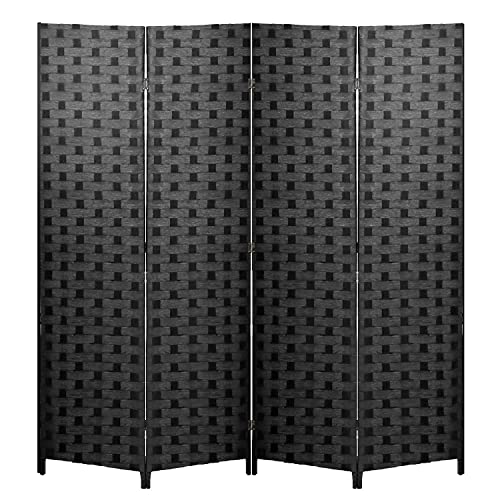
FDW 4-Panel Folding Room Divider | 6ft, Black | Light & Portable
- Flexible 4-Panel Design: Adjusts to your space needs
- Easy to Store: Folds compactly for storage
- Handcrafted Quality: Made by skilled workers
As an affiliate, we earn on qualifying purchases.
As an affiliate, we earn on qualifying purchases.