
TL;DR
Interest in bone density testing at menopause is rising, with many women and healthcare providers debating the benefits of DEXA scans. While the test can identify osteoporosis risk, guidelines vary, and individual factors matter.
Growing interest in bone density testing at menopause is prompting women and healthcare providers to consider whether a DEXA scan is advisable during this stage. While the test can assess osteoporosis risk, medical guidelines do not universally recommend routine screening for all women at menopause, making individual assessment crucial. This rising attention reflects broader concerns about bone health as women age, but clear consensus on timing and necessity remains elusive.
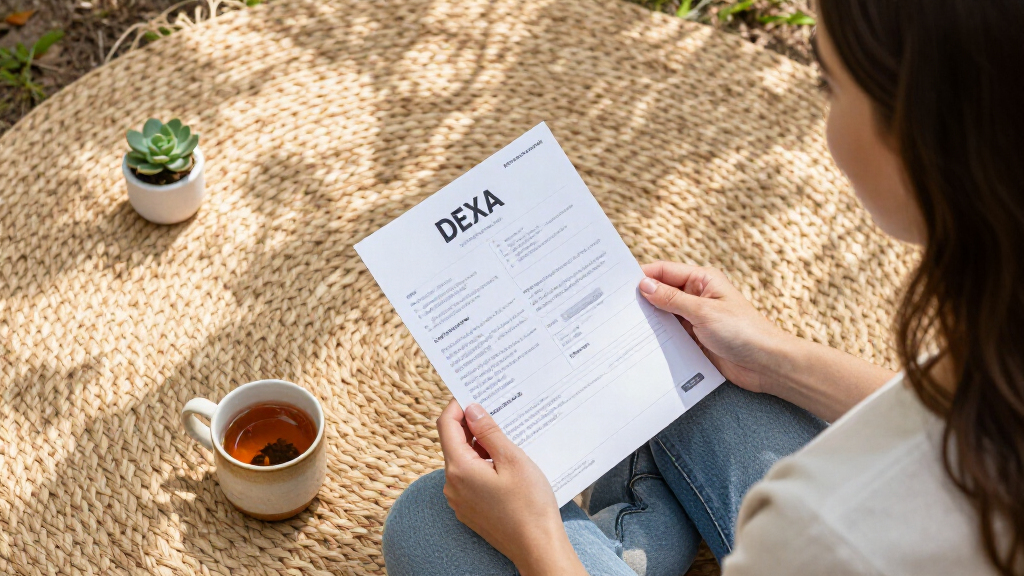
Bone density testing using Dual-Energy X-ray Absorptiometry (DEXA) scans measures bone mineral density, helping identify osteoporosis or fracture risk. Recent search trends show a spike in interest among women approaching or experiencing menopause, driven by increased awareness of age-related bone loss. However, medical guidelines vary: the U.S. Preventive Services Task Force (USPSTF) recommends screening for women aged 65 and older, but advises individualized decisions for women aged 50-64 based on risk factors.
Many healthcare providers suggest that women with additional risk factors—such as family history, smoking, excessive alcohol use, or early menopause—should consider earlier screening. The decision is often personalized, balancing potential benefits of early detection against costs and radiation exposure. Experts emphasize that lifestyle modifications, including diet and exercise, remain foundational for maintaining bone health regardless of screening outcomes.
Current evidence indicates that routine screening at menopause is not universally recommended, but awareness and patient-provider discussions are increasing as part of broader health management strategies. The lack of a universal guideline means women are encouraged to consult their healthcare providers about their individual risk profiles and screening needs.
Implications of Bone Density Testing at Menopause
This trend highlights the importance of personalized healthcare decisions during menopause. Early detection of osteoporosis risk can enable timely interventions, potentially reducing fracture risk and improving quality of life. However, unnecessary testing may lead to overdiagnosis or anxiety, especially when guidelines do not recommend routine screening for all women in this age group. Understanding when and for whom a DEXA scan is appropriate helps optimize health outcomes and resource use.
DEXA scan for osteoporosis detection
As an affiliate, we earn on qualifying purchases.
As an affiliate, we earn on qualifying purchases.
Current Guidelines and Women’s Bone Health Awareness
Bone loss accelerates in women during menopause due to declining estrogen levels, increasing osteoporosis risk. Historically, screening recommendations have focused on women aged 65 and older, with some guidelines suggesting earlier testing for high-risk groups. Recent years have seen rising public interest in bone health, partly driven by media coverage and advocacy, though official guidance remains cautious about routine screening at menopause. The trend is likely influenced by broader health awareness campaigns, but the exact timing and necessity of screening during menopause are still debated among experts.
As an affiliate, we earn on qualifying purchases.
Uncertainties Surrounding Routine Screening at Menopause
It remains unclear whether widespread routine DEXA screening at menopause will become standard practice, as guidelines vary and new evidence emerges. The optimal timing for screening, especially in women without additional risk factors, is still debated. Further research is needed to clarify whether early detection at menopause significantly reduces fracture risk or improves long-term outcomes.
As an affiliate, we earn on qualifying purchases.
Next Steps in Bone Health Screening Strategies
Healthcare providers and researchers are likely to continue evaluating the benefits and limitations of early screening. Future guidelines may incorporate new evidence on cost-effectiveness and risk stratification. Women are encouraged to stay informed and consult their providers about personalized bone health assessments, especially if they have risk factors for osteoporosis.
osteoporosis risk assessment tools
As an affiliate, we earn on qualifying purchases.
As an affiliate, we earn on qualifying purchases.
Key Questions
Should all women get a DEXA scan at menopause?
No, current guidelines suggest that routine screening is not necessary for all women at menopause. Decisions should be based on individual risk factors and health history, in consultation with a healthcare provider.
What are the main risk factors that might warrant earlier screening?
Risk factors include family history of osteoporosis, smoking, excessive alcohol consumption, early menopause, low body weight, and certain medical conditions or medications that affect bone health.
Are DEXA scans safe?
Yes, DEXA scans are considered safe, involving low levels of radiation. However, they should be used judiciously, especially when the results will influence treatment decisions.
What can I do to protect my bone health during menopause?
Maintaining a balanced diet rich in calcium and vitamin D, engaging in weight-bearing exercise, avoiding smoking, and limiting alcohol can support bone health. Discussing screening options with your healthcare provider is also advisable.
Will insurance cover a DEXA scan at menopause?
Coverage varies by insurance plan and guidelines. Some plans may cover screening if deemed medically necessary, especially for women with risk factors. Check with your provider for specific coverage details.
Source: rss