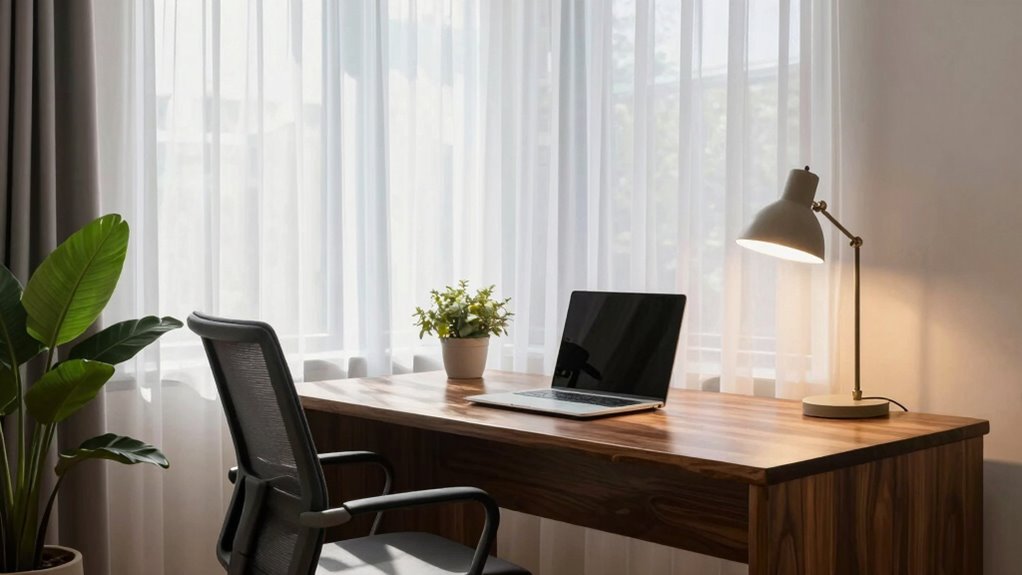

Exclusive use for a home office means dedicating a specific area of your home solely for work, with no personal or family activities involved. If part of a room is used for both work and family purposes, it doesn’t qualify. To meet the requirements, your space should be used regularly and solely for business, preferably as the principal place of work. Understanding these details helps guarantee your space qualifies—more insights await if you want to get it right.
Key Takeaways
- The space must be used solely for business activities, with no family or personal use.
- Entirely dedicated rooms are more likely to qualify than multi-purpose areas.
- Occasional or incidental use for personal purposes disqualifies the space from exclusivity.
- Clear documentation and photographs can help prove the space is used exclusively for work.
- Non-compliance risks losing the home office deduction and attracting IRS scrutiny.
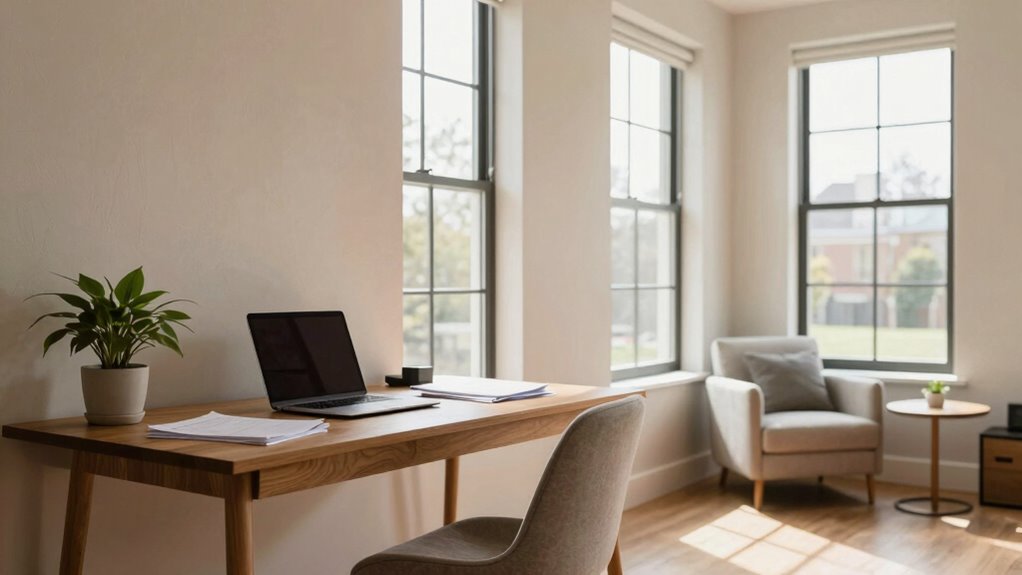
Ever wondered if your home office qualifies for tax deductions? The key factor often hinges on what “exclusive use” really means for your workspace. When you set aside a specific area in your home for work, the IRS requires that the space be used solely for business purposes. If you use part of your dining room table or a corner of your living room for work, but also for family activities or leisure, you might not meet the exclusive use test. This means the space must be dedicated entirely to your business to qualify for deductions.
Understanding this can have significant tax implications. If the IRS determines that your home office isn’t used solely for work, you may lose the ability to claim certain deductions, such as a portion of rent, utilities, or maintenance costs. You might also face scrutiny if your deductions are ever audited, so it’s essential to keep clear boundaries around your workspace. It’s not enough to occasionally use a room for work; the space needs to be your principal place of business or a place where you regularly conduct administrative or managerial tasks for your business. Additionally, keeping detailed records and documentation can help substantiate your claim if questioned.
Using your home office solely for work is essential to claim tax deductions and avoid audit risks.
However, there’s more to take into account than just IRS rules. Local zoning restrictions can also influence your ability to claim a home office deduction. Some municipalities or homeowner associations have zoning regulations that restrict or prohibit the use of residential properties for business purposes. Before you designate a space as your home office, it’s wise to check local zoning laws to avoid potential conflicts or legal issues. Failing to adhere to zoning restrictions could not only jeopardize your tax deductions but also lead to fines or other penalties from local authorities. Consulting local zoning laws is a crucial step before establishing your workspace. Moreover, understanding home-based business restrictions can help you ensure compliance and avoid unexpected complications.
Another aspect of exclusive use involves how you designate your space in your home’s layout. For example, if you have a dedicated room that’s only used as your office, you’re more likely to meet the IRS criteria. Conversely, if you convert a part of a multipurpose room, it’s essential to document your setup and usage to prove that the space is used exclusively for business. Remember, the IRS can ask for records or photographs to verify your claim, so keep detailed records of your home office arrangement. Additionally, understanding home office requirements can help you better meet the criteria and avoid potential issues.

Sweetcrispy 47" Computer Desk with 6 Fabric Drawers & Storage Shelves
- Spacious Storage & Organization: 6 fabric drawers and 2 shelves for ample storage
- Adjustable & Removable Shelf: Customizable shelf height for versatile storage
- Robust & Steady Construction: Sturdy metal frame with triangular brackets
As an affiliate, we earn on qualifying purchases.
As an affiliate, we earn on qualifying purchases.
Frequently Asked Questions
Can I Share My Home Office With Family Members?
You can share your home office with family members, but it might compromise your home privacy and limit your exclusive use rights. If you allow family access, make sure it doesn’t interfere with your work or violate any lease or tax rules. Keep boundaries clear, and communicate openly to protect your workspace’s intended use, especially if it’s designated for business. This helps maintain professionalism while sharing your space responsibly.
Does Exclusive Use Apply to Storage Areas Within the Office?
Exclusive use generally doesn’t apply to storage areas within your home office. You might have storage access, but others could access shared storage spaces unless you establish clear boundaries. This could raise privacy concerns, especially if sensitive documents or equipment are stored there. To maintain privacy, consider designating specific storage zones for your exclusive use and communicating boundaries with family members or roommates.
How Is Exclusive Use Affected if I Work Remotely Occasionally?
If you work remotely occasionally, your exclusive use status may be affected because it depends on how consistently you use the space. Occasional remote work might still qualify if you maintain clear workspace boundaries, ensuring the area is primarily used for your home office. However, frequent non-work use could weaken the case for exclusive use, so it’s essential to keep your workspace dedicated and distinguishable from other areas.
Are There Legal Differences in Exclusive Use Across States?
State regulations can create legal distinctions regarding exclusive use, meaning rules may vary depending on where you live. Some states have clear definitions that specify what qualifies as exclusive use, while others leave it more ambiguous. These differences can impact your ability to claim deductions or establish a dedicated home office. You should review your state’s specific regulations to understand how they interpret exclusive use and confirm compliance.
What Documentation Proves Exclusive Use for Tax Purposes?
To prove exclusive use for home office deductions, you should keep detailed IRS documentation like a written statement describing how you use the space solely for work. Maintain photographs, floor plans, or receipts for any improvements. These records help verify your claim if audited. Consistently documenting your home office setup guarantees you meet IRS requirements for exclusive use, making your home office deductions more credible and easier to justify.
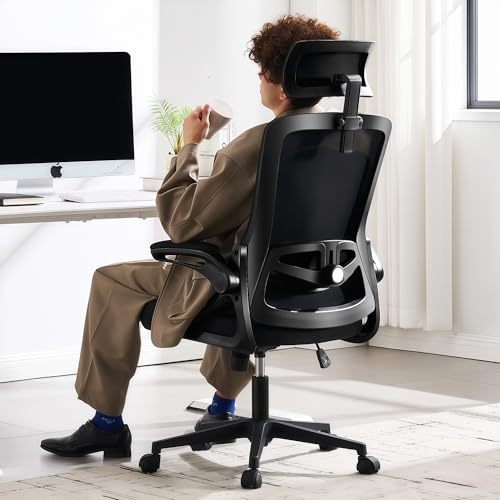
Fizzin Office Chair Mesh Computer Chairs with Adjustable Lumbar Support
- Ergonomic Design for Comfort: Supports head, back, hips, and arms
- Adjustable Headrest: Up and down, angle adjustable
- Adjustable Lumbar Support: Customizable for perfect fit
As an affiliate, we earn on qualifying purchases.
As an affiliate, we earn on qualifying purchases.
Conclusion
Understanding what “exclusive use” truly means helps you maximize your home office tax deductions and avoid potential pitfalls. Remember, the IRS considers even a small, dedicated space as exclusive use if it’s used solely for work. Did you know that over 60% of remote workers claim home office deductions? By setting clear boundaries and documenting your space, you guarantee you’re compliant and can confidently take advantage of this benefit. Stay informed, and your home office can work for you!
office organization and filing supplies
As an affiliate, we earn on qualifying purchases.
As an affiliate, we earn on qualifying purchases.

Ceiling Light Fixture, 6-Light Ceiling Light Chandelier, Modern Dinning Room Light Fixture, Sputnik Light Fixtures Ceiling Mount, Semi Flush Mount Light Fixture For Living Room,Bedroom,Hallway,Kitchen
- Elegant Modern Design: Creates a stylish, contemporary ambiance
- 6-Light Crossed Arms: Arranged for balanced illumination and style
- Long-lasting Durable Mount: Built for extended use without frequent replacements
As an affiliate, we earn on qualifying purchases.
As an affiliate, we earn on qualifying purchases.