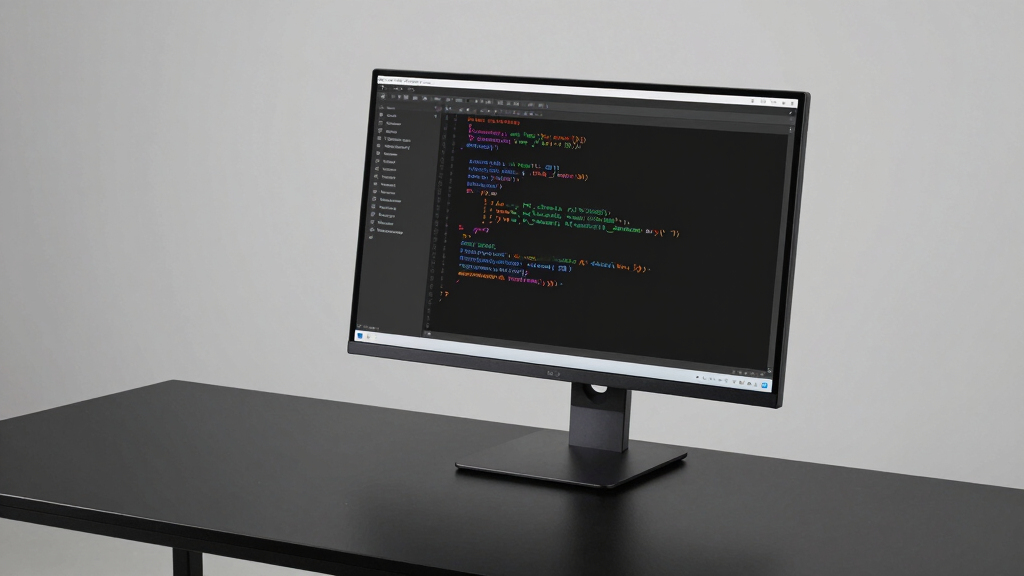
Choosing the best monitor for coding and programming involves balancing screen size, resolution, color accuracy, and ergonomics. The LG 32UR550K-B stands out as the best overall for its 4K clarity and HDR support, ideal for long coding sessions. The BenQ RD280U offers eye-care features that reduce fatigue, making it great for extended work. Many options trade off between resolution and size, with ultra-wide screens providing more workspace but possibly more distraction. Keep reading for a detailed breakdown of the top models and what to consider when making your choice.

Get comfort and recovery gear delivered free with Prime
- Fast, free delivery on millions of items
- Prime Video, Amazon Music and more included
- Member-only deals all year
Complete the kit


Key Takeaways
- High-resolution monitors like 4K or 5K significantly improve text clarity, reducing eye strain during long coding hours.
- Ultra-wide screens provide more horizontal space, which can boost productivity but may require more desk space and attention management.
- Features like eye-care technology and anti-glare coatings are highly valued for reducing fatigue in prolonged use.
- USB-C connectivity and ergonomic adjustments add versatility, especially for modern work setups.
- Price varies widely; premium models often include calibration and build quality that justify higher costs for professional users.


| monitor for coding and programming | Resolution | Display Size | Panel Type | Size |
|---|---|---|---|---|
| LG 32UR550K-B 32-inch 4K UHD H | 3840 x 2160 (4K UHD) | 32 inches | — | — |
| BenQ RD280U 28.2” 4K Programmi | 3840×2560 (4K) | 28.2 inches | Nano Matte | — |
| KTC 27 Inch 5K2K Dual Mode Mon | 5120×2880 (5K2K) | 27 inches | — | — |
| LG 34U640B-B 34-Inch UltraWide | 3440 x 1440 | — | — | 34 inches |
| Dell 34 Monitor S3425DW | WQHD | — | VA | 34 inches |
| BenQ RD320U 32” 4K Programming | 3840×2160 (4K) | — | Nano Matte | 32 inches |
| BenQ RD280UA 28.2" 4K HDR Prog | 4K+ HDR | — | — | 28.2 inches |
| BenQ PD2706QN 27” 2K QHD IPS M | 2560×1440 (2K QHD) | 27 inches | IPS | — |
More Details on Our Top Picks
LG 32UR550K-B 32-inch 4K UHD HDR Computer Monitor
This monitor stands out for its large 32-inch 4K UHD display with HDR10 support, delivering vibrant, detailed visuals that excel for coding, multimedia, and occasional gaming. Compared to the BenQ RD280U, it offers a bigger screen but lacks the advanced eye-care features and USB-C charging, making it a more straightforward choice for general use. Its adjustable stand enhances ergonomic comfort during long coding sessions, though its 60Hz refresh rate limits fast-paced gaming performance. The absence of built-in speakers and USB-C ports can be drawbacks for those seeking an all-in-one setup, but its rich visuals and flexible adjustments make it a reliable workhorse.
Pros:- Vivid 4K UHD and HDR visuals with rich colors
- Adjustable stand for personalized comfort
- Multitasking features with screen split options
Cons:- Limited to 60Hz refresh rate, not ideal for fast-paced gaming
- No built-in speakers or USB-C port
Best for: Developers and designers who want a large, vivid display with flexible ergonomics for extended coding and multimedia use
Not ideal for: Gamers requiring high refresh rates or users seeking integrated audio and USB-C connectivity
- Display Size:32 inches
- Resolution:3840 x 2160 (4K UHD)
- HDR:HDR10
- Refresh Rate:60Hz
- Connectivity:HDMI, DisplayPort
- Adjustments:Tilt, Height, Pivot
Our verdict“This monitor offers a balanced combination of size, resolution, and flexibility, making it ideal for those prioritizing visual clarity and ergonomic comfort during long coding sessions.”
BenQ RD280U 28.2” 4K Programming Monitor with Eye-Care and VESA Mount
The BenQ RD280U makes this list thanks to its 28.2-inch 4K Nano Matte display, designed specifically for programmers who spend hours at the screen. Its anti-glare Nano Matte panel reduces reflections better than typical glossy screens like the LG 32UR550K-B, making it easier on the eyes in bright environments. The eye-care technology, including flicker-free and low blue light modes, minimizes fatigue, a feature absent in the LG. Its versatile connectivity with 90W USB-C charging and VESA mount support adds to its appeal for ergonomic setups. However, as a renewed product, some users may face warranty limitations, and its focus on programming means it’s less suited for multimedia or gaming.
Pros:- High-resolution 4K Nano Matte display reduces reflections
- Effective eye-care technology minimizes fatigue
- Versatile connectivity with USB-C and VESA mount
Cons:- Renewed product may have limited warranty
- Primarily designed for coding, less suitable for entertainment or gaming
Best for: Programmers and software developers who need eye-friendly features for long hours of coding
Not ideal for: Casual users seeking a versatile monitor for general multimedia use or gaming
- Display Size:28.2 inches
- Resolution:3840×2560 (4K)
- Panel Type:Nano Matte
- Backlight:MoonHalo
- USB-C Power Delivery:90W
- Features:KVM, VESA Mount, Eye-Care, Coding Modes
Our verdict“This monitor is perfect for programmers prioritizing eye comfort and glare reduction over multimedia features.”
KTC 27 Inch 5K2K Dual Mode Monitor with 65W Type-C Port
The KTC 27 Inch 5K2K monitor is designed for users who need extreme clarity, offering dual mode: 5K@60Hz for high-precision work and 2K@120Hz for smoother interactions. Its 99% DCI-P3 and 100% sRGB coverage ensure accurate colors, making it a top choice for creative professionals, especially compared to the more generalist options like the LG 32UR550K-B. The HDR400 support provides decent brightness and contrast, though it’s not HDR10 or Dolby Vision. Its connectivity, including 65W USB-C power, makes it suitable for Mac mini users and others needing fast data and charging. The main tradeoff involves its smaller size, which might not suit setups requiring larger displays, and the premium price, which isn’t specified but likely high.
Pros:- High-resolution 5K display with accurate colors
- Dual mode for creative work and smoother gaming
- Extensive connectivity with fast charging
Cons:- Limited to 27 inches, not suited for large setups
- HDR400 support is limited compared to HDR10 or Dolby Vision
Best for: Creative professionals requiring ultra-high resolution and color accuracy for detailed work
Not ideal for: Users seeking a larger display or a more budget-friendly alternative for casual use
- Display Size:27 inches
- Resolution:5120×2880 (5K2K)
- Dual Mode:5K@60Hz and 2K@120Hz
- Color Coverage:99% DCI-P3, 100% sRGB
- Brightness:500 cd/m²
- HDR:HDR400
Our verdict“This monitor is tailored for creatives who need ultimate resolution and color precision in a compact form factor.”
LG 34U640B-B 34-Inch UltraWide QHD Curved Computer Monitor
This 34-inch UltraWide curved monitor offers an expansive 21:9 aspect ratio with QHD resolution, making it ideal for multitasking, coding, and creative workflows. Its high 144Hz refresh rate surpasses many other options like the Dell S3425DW, providing smoother visuals, which benefits both gaming and video editing. The USB-C port with 65W charging streamlines cable management, simplifying desk setups. While the color accuracy is good at 99% sRGB, it doesn’t reach the professional-grade levels of some dedicated creative screens, and the premium price may be a barrier for budget-conscious buyers. The built-in speakers are not specified, which might lead to needing external audio for some users.
Pros:- Very wide 34-inch UltraWide display enhances multitasking
- High 144Hz refresh rate for smooth visuals
- USB-C with 65W charging reduces cable clutter
Cons:- Premium pricing may be high for some users
- Color accuracy not sufficient for high-end professional editing
Best for: Professionals and enthusiasts seeking a wide, immersive display with excellent multitasking capabilities
Not ideal for: Users requiring high-end color accuracy for professional editing or budget buyers
- Size:34 inches
- Resolution:3440 x 1440
- Aspect Ratio:21:9
- Refresh Rate:144Hz
- Response Time:5ms
- Curvature:1800R
Our verdict“This monitor is an excellent choice for multitaskers who want a large, curved display with high refresh rates and simplified connectivity.”
The Dell S3425DW strikes a balance between vibrant visuals and comfort, featuring a 34-inch WQHD VA panel with 120Hz refresh rate and FreeSync Premium support for tear-free gaming and smooth coding workflows. Its 95% DCI-P3 color coverage provides rich, accurate colors for creative tasks, and the HDR10 support enhances contrast and brightness. The monitor’s eye comfort features, including blue light reduction and flicker-free technology, make long sessions less tiring. The USB-C port with 65W charging simplifies connections, and the built-in speakers add value. Compared to the LG 34U640B-B, it offers a slightly better contrast ratio and higher refresh rate, although it might be smaller than some users prefer for extensive multitasking.
Pros:- Vivid, true-to-life colors with 95% DCI-P3 coverage
- Smooth visuals with 120Hz refresh rate and FreeSync
- Eye comfort features reduce fatigue during long work sessions
Cons:- Limited to 34 inches, which might be small for some multitaskers
- Built-in speakers are functional but not high fidelity
Best for: Developers and casual creatives who want a balanced monitor with good color and eye comfort
Not ideal for: Power users needing professional-grade color accuracy or larger displays for extensive multitasking
- Size:34 inches
- Resolution:WQHD
- Panel Type:VA
- Refresh Rate:120Hz
- Contrast Ratio:3000:1
- HDR:HDR10
Our verdict“This monitor offers a well-rounded blend of color accuracy, smooth performance, and ergonomic features, suitable for everyday coding and creative work.”
BenQ RD320U 32” 4K Programming Monitor with Nano Matte Panel and Eye-Care Technology
The BenQ RD320U stands out for its generous 32-inch 4K display, making it ideal for programmers who prefer a spacious workspace. Its Nano Matte Panel significantly reduces reflections, which is a major advantage over standard glossy screens like the LG 32UR550K-B, especially in bright environments. The monitor includes coding modes and eye-care technology that can lessen eye strain during long coding sessions, a crucial factor for developers spending hours at their desk. However, its large size demands ample desk space, and as a renewed product, there may be some uncertainty about longevity or warranty. The high contrast ratio and customizable backlight contribute to vibrant visuals, but limited info on color accuracy could be a concern for professional developers needing precise color reproduction. Compared to the smaller BenQ PD2706QN, the RD320U offers a much larger visual real estate, yet sacrifices some color calibration precision. This monitor makes the most sense for those prioritizing screen size and comfort over pixel-perfect accuracy or compactness.
Pros:- Large 32-inch 4K display for expansive workspace
- Nano Matte Panel reduces reflections and glare
- Coding modes and eye-care technology lessen eye strain
- High contrast ratio for vibrant, deep blacks
Cons:- Large size requires significant desk space
- Limited information on long-term warranty and panel longevity
- Potential lack of professional-grade color accuracy
Best for: Developers who need a large, comfortable screen for extended coding sessions in bright or reflective environments.
Not ideal for: Color professionals or those with limited desk space, since its large footprint and uncertain color accuracy may hinder their workflows.
- Size:32 inches
- Resolution:3840×2160 (4K)
- Contrast Ratio:2000:1
- Panel Type:Nano Matte
- Power:90W USB-C
- Features:Coding Modes, Night Hours Protection, MoonHalo Backlight, Eye-Care Technology
Our verdict“This monitor is a top pick for programmers seeking a large, reflection-reducing display that prioritizes comfort over compactness or precise color calibration.”
BenQ RD280UA 28.2″ 4K HDR Programming Monitor with Ergo Arm
The BenQ RD280UA offers a compact 28.2-inch 4K HDR display with a focus on ergonomic comfort, making it a strong alternative to larger models like the RD320U. Its Ergo Arm stand allows for extensive adjustment, which can improve posture and reduce fatigue during long coding sessions. The monitor features coding modes and night protection technology, similar to the RD320U, but with a more manageable size for smaller desks or those who prefer a more space-efficient setup. Its high brightness (400 nits) and HDR support enhance visual clarity, yet the contrast ratio of 1200:1 is lower than larger BenQ models, potentially affecting deep blacks. The limited refresh rate info and absence of built-in speakers could be drawbacks for users seeking multimedia versatility. Compared to the PD2706QN, this monitor offers better ergonomic adjustments, but it doesn’t match the color accuracy or factory calibration aimed at creative professionals. It makes the most sense for programmers who want a high-resolution display with flexible positioning and a smaller footprint.
Pros:- Compact 28.2-inch 4K HDR display for detailed coding
- Ergonomic stand with extensive adjustments for comfort
- High brightness and HDR support for clear visuals
- Nano Matte panel reduces reflections
Cons:- Lower contrast ratio compared to larger BenQ models
- No built-in speakers or detailed refresh rate info
- Potentially higher price for advanced features
Best for: Developers who need a high-resolution, HDR-capable monitor with ergonomic adjustments for comfortable extended use in limited space.
Not ideal for: Color professionals or multimedia editors who require the most accurate color calibration and audio features.
- Size:28.2 inches
- Resolution:4K+ HDR
- Contrast Ratio:1200:1
- Response Time:5 ms
- Brightness:400 nits
- Features:Coding Modes, Night Hours Protection, MoonHalo Backlight, Built-in Speakers, USB-C, HDMI, DisplayPort, Eye-Care Tech
Our verdict“This monitor is ideal for programmers seeking a high-res, ergonomically adjustable display that fits well into smaller workspaces.”
BenQ PD2706QN 27” 2K QHD IPS Monitor with USB-C, Factory-Calibrated, Nano Matte, Height Adjustable
The BenQ PD2706QN is designed for users who need precise color and professional-grade calibration, making it an excellent choice for developers involved in creative work or working on color-sensitive projects. Its 27-inch 2K QHD IPS panel provides sharp details, and factory calibration with Delta E ≤ 2 ensures color accuracy out of the box. The Nano Matte panel reduces glare effectively, which benefits long coding sessions in bright environments. The integrated USB-C port with 90W power delivery facilitates a tidy workspace, especially for Mac users or those with limited ports. While its size may be less appealing for those craving expansive screens like the RD320U, its focus on color fidelity and ergonomic adjustments make it a prime pick for creative coders. The absence of built-in speakers and the lack of a higher refresh rate are minor limitations for multimedia use. Compared to larger 4K options, this monitor excels in color accuracy and workspace flexibility, making it a focused tool for productivity.
Pros:- Factory-calibrated for exceptional color accuracy
- Nano Matte panel reduces glare and eye strain
- USB-C with 90W power delivery simplifies connectivity
- Extensive ergonomic adjustments for comfort
Cons:- Limited to 27 inches, smaller than other options
- No built-in speakers or high refresh rate for gaming/multimedia
- Price may be higher due to professional-grade features
Best for: Developers who need high color fidelity, factory calibration, and versatile connectivity for creative or color-critical coding tasks.
Not ideal for: Users needing large screens or those prioritizing multimedia features like speakers or high refresh rates.
- Display Size:27 inches
- Resolution:2560×1440 (2K QHD)
- Panel Type:IPS
- Color Coverage:95% P3, 100% sRGB/Rec.709
- Color Accuracy:Delta E ≤ 2
- Connectivity:USB-C with 90W power delivery
Our verdict“This monitor is best suited for creative coders and professionals who require precise color and flexible setup options in a compact size.”

How We Picked
The monitors in this roundup were selected based on performance, usability, build quality, and value for coding and programming tasks. Priority was given to models offering high resolutions, ergonomic features, and low input lag, as these directly impact productivity and comfort. We also considered color accuracy for tasks that involve design or debugging. The rankings reflect a balance between cost and features, with top picks providing the best overall experience and value for different user needs.| monitor for coding and programming | Panel Type |
|---|---|
| LG 32UR550K-B 32-inch 4K UHD H | — |
| BenQ RD280U 28.2” 4K Programmi | Nano Matte |
| KTC 27 Inch 5K2K Dual Mode Mon | — |
| LG 34U640B-B 34-Inch UltraWide | — |
| Dell 34 Monitor S3425DW | VA |
| BenQ RD320U 32” 4K Programming | Nano Matte |
| BenQ RD280UA 28.2" 4K HDR Prog | — |
| BenQ PD2706QN 27” 2K QHD IPS M | IPS |
Factors to Consider When Choosing Best Monitor For Coding And Programming
When choosing a monitor for coding and programming, consider factors that directly impact your comfort, clarity, and workflow. The right screen can reduce eye strain, increase efficiency, and create a more enjoyable work environment. Understanding the tradeoffs between size, resolution, and features helps you avoid common pitfalls and select a model that truly fits your needs.Resolution and Screen Size
Higher resolution monitors, like 4K or 5K, make text and code sharper, reducing eye fatigue over long hours. However, larger screens or ultra-wide displays demand more desk space and can sometimes lead to visual clutter. Balance your workspace with a size that allows comfortable viewing distance and easy multitasking without overwhelming your environment.
Color Accuracy and Panel Quality
While color accuracy is less critical for coding, it becomes important if you also work with design or UI development. IPS panels generally offer better color consistency and wider viewing angles compared to VA or TN panels. Choosing a panel with good contrast and minimal glare can make a noticeable difference in reducing eye strain.
Ergonomics and Adjustability
Features like height adjustment, tilt, swivel, and VESA compatibility allow you to set your monitor to an optimal position. Proper ergonomics can prevent neck and back pain and improve focus. Avoid models with fixed stands if you plan to use your monitor for extended periods, especially in a dedicated workspace.
Connectivity and Additional Features
USB-C ports simplify cable management and enable charging and data transfer through a single connection. Built-in speakers, hub functionality, and eye-care technologies add convenience. Think about your specific workflow needs and choose a monitor that offers the right mix of ports and features to minimize clutter.
Price and Value
Premium monitors often include calibration, better build quality, and advanced features, but come at a higher cost. For most coders, a well-calibrated 4K IPS monitor offers excellent value, balancing performance and price. Avoid overspending on features you won’t use, but be ready to invest more if your work depends on color accuracy or ergonomics.
Frequently Asked Questions
Is a 4K monitor necessary for coding and programming?
A 4K monitor provides sharper text and more screen real estate, which can enhance productivity and reduce eye strain during long coding sessions. However, 1080p or 1440p displays can suffice if you prefer larger UI elements or have budget constraints. The key is ensuring your system can handle higher resolutions smoothly and that the text remains comfortably readable without scaling issues.Should I choose an ultra-wide monitor for coding?
Ultra-wide monitors offer extensive horizontal space, making multitasking and viewing multiple windows easier. This can boost efficiency, especially for complex projects. However, they may be more expensive and take up more desk space. If you prefer a more traditional setup or work in a smaller area, a standard wide monitor might serve you better.How important are eye-care features in a coding monitor?
Eye-care features like flicker-free backlighting and blue light filters help reduce fatigue during long coding sessions. These features are especially valuable if you work late into the night or spend many hours at your desk. While not essential, they can significantly improve comfort and prevent long-term eye strain.Is curved screens better for programming?
Curved monitors can provide a more immersive experience and reduce glare from ambient light, which can be beneficial for extended use. However, they may also distort some visual tasks or require a specific viewing distance. For coding, the choice depends on your workspace and personal preference—both flat and curved screens can work well if ergonomically set up.Should I prioritize screen size over resolution?
While larger screens improve visibility and reduce the need for zooming, they often come with lower pixel density if not paired with high resolution. A 27-inch 4K monitor offers a good balance of size and sharpness, making text crisp without overwhelming your desk. Smaller screens with higher resolutions can also be effective if space is limited, but readability is the key factor.Conclusion
For most coders and programmers, the LG 32UR550K-B offers the best overall experience with 4K clarity and HDR support, ideal for prolonged work. Those seeking the best value might prefer the BenQ RD280U with eye-care features at a lower cost. Professionals demanding premium build, calibration, and features should consider the BenQ PD2706QN. Beginners or those with limited space may find a 24-27 inch 1440p model more suitable. Ultimately, the best monitor aligns with your workflow, budget, and workspace constraints, making this list a versatile guide for every type of user.
Columbus Day / Indigenous Peoples' Day Picks
long weekend sales
As an affiliate, we earn on qualifying purchases.