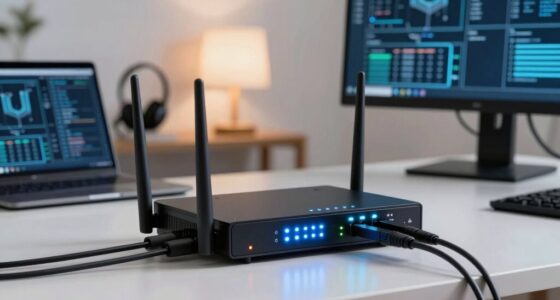

When comparing 1099 independent contractors and W-2 employees in a home office, many miss the differences in setup and benefits. W-2 workers often have technology provided by their employer and enjoy benefits like health insurance and paid time off, making work more convenient. Contractors, on the other hand, need to set up their own tech and manage benefits independently, offering more flexibility but less stability. To discover more about these home office differences, keep exploring the details.

Get comfort and recovery gear delivered free — and shop member deals
- Fast, free delivery on millions of items
- Access to Prime Big Deal Days deals on October 6–7
- Prime Video, Amazon Music and more included
Key Takeaways
- W-2 employees often receive company-provided technology and equipment, simplifying home office setup.
- 1099 contractors must independently supply and maintain their own work technology and tools.
- Work flexibility is higher for 1099 contractors, but they handle all tech setup and troubleshooting themselves.
- W-2 roles typically include IT support and pre-configured systems, reducing setup time and technical challenges.
- Contractors need to plan and invest in their home office infrastructure, often leading to higher initial costs.

When choosing between 1099 and W-2 remote work, understanding the key differences can help you make informed decisions about taxes, benefits, and job security. One of the most critical areas to consider is the tax implications. As a W-2 employee, your employer withholds taxes from your paycheck, covering Social Security, Medicare, and income taxes. This setup simplifies your filing process because you receive a W-2 form at year’s end, showing how much you’ve earned and how much has been withheld. Conversely, working as a 1099 contractor means you’re classified as self-employed. You’re responsible for calculating and paying your own taxes, which include both the employee and employer portions of Social Security and Medicare. This often results in higher quarterly tax payments, and you might need to make estimated payments to avoid penalties. If you’re not prepared for this, it could lead to unexpected tax bills. Additionally, understanding the contrast in technological requirements can help you better prepare for the tools and equipment needed to succeed in each setup. The benefits comparison is another significant factor. W-2 workers typically enjoy a suite of employer-provided benefits, such as health insurance, retirement plans, paid time off, and sometimes even professional development support. These benefits are usually included in your compensation package and managed by your employer, providing peace of mind and financial stability. As a 1099 contractor, you won’t automatically receive these benefits. Instead, you need to independently secure health insurance, retirement savings, and other perks. While this offers some flexibility, it also means more responsibilities and potentially higher costs. The trade-off is that contractors often have more control over their work schedule and can choose contracts that fit their personal and professional goals better. Job security is another aspect where W-2 employment generally provides more stability. Employers often have formal policies around layoffs, severance, and unemployment benefits, which can cushion the impact of job loss. Contractors, on the other hand, usually work on a project basis without guaranteed ongoing work, making income less predictable. This lack of security can be a concern if you’re seeking steady income and employment protections. Ultimately, your choice between 1099 and W-2 remote work depends on your priorities. If you prefer the convenience of employer-managed benefits and a clear tax process, W-2 might suit you best. If you value independence, flexibility, and are prepared to manage your own taxes and benefits, 1099 could be a better fit. Fully understanding these differences helps you navigate the home office landscape confidently, aligning your work style with your financial and personal goals.
As an affiliate, we earn on qualifying purchases.
Frequently Asked Questions
How Do I Choose Between 1099 and W‑2 Remote Work?
You should choose based on your preferred employee classification. If you want independence as a contractor, go 1099, which offers flexibility but fewer benefits. If you prefer consistent pay, employer benefits, and job security, W-2 employment suits you better. Consider how much control you want over your work and your tax situation, as each classification impacts your taxes and benefits differently.
Can I Switch From One Status to the Other Easily?
You can switch from an independent contractor to an employee, but it’s not always easy or quick. Typically, you’ll need to go through an employee conversion process, which involves paperwork, employer approval, and possibly renegotiating your contract. Talk with your employer about your desire to change your status. Keep in mind, the process varies depending on company policies and legal requirements, so be prepared for some administrative steps.
What Are the Tax Implications of Each Work Type?
When you’re a W-2 employee, your employer handles tax deductions, and you report your income with taxes already withheld, simplifying your tax process. As a 1099 freelancer, you’re responsible for tracking your own tax deductions, and you report all income on your tax return, often making quarterly payments. Understanding these differences helps you plan for tax time, ensuring you set aside enough for taxes and maximize deductions.
How Does Remote Work Affect Employee Benefits Eligibility?
Remote work can impact your employee benefits eligibility, especially for health benefits and retirement options. As a W-2 employee, you typically gain access to employer-sponsored health plans and retirement programs, making benefits more accessible. If you’re a 1099 contractor, you’re responsible for securing your own health benefits and retirement savings, which may require additional effort and cost. Your work type directly influences the benefits you’re eligible for and how you access them.
Are There Legal Differences in Remote Work Rights Between 1099 and W‑2?
Imagine a world where your rights hinge on your label—1099 or W-2. As a W-2 employee, your employer must follow strict obligations like providing safe work conditions and adhering to labor laws. Conversely, independent contractors, governed by independent contractor regulations, enjoy more flexibility but less legal protection. Your remote work rights depend on your classification, making it essential to understand how employer obligations differ and what legal protections you have.
As an affiliate, we earn on qualifying purchases.
Conclusion
Think of choosing between 1099 and W-2 like picking a vehicle—you might love the freedom of a convertible or prefer the stability of a sedan. I once knew someone who thrived as an independent contractor, feeling like they were driving their own road, but they also faced unexpected tolls. Ultimately, understanding these differences helps you steer your remote work journey confidently, ensuring you pick the path that matches your style and goals.
wireless keyboard and mouse combo
As an affiliate, we earn on qualifying purchases.
As an affiliate, we earn on qualifying purchases.
As an affiliate, we earn on qualifying purchases.
Fall Picks
fall essentials
As an affiliate, we earn on qualifying purchases.