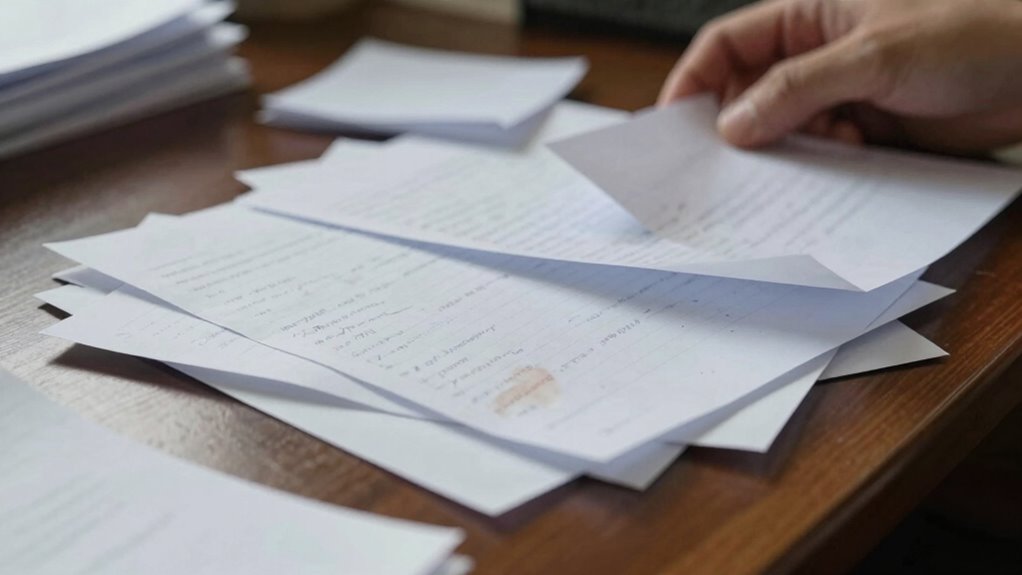

Leaving sensitive papers in temporary piles puts your confidential information at risk of exposure, theft, or accidental disposal. These piles can easily be overlooked or accessed by others, especially in shared workspaces, increasing chances of data breaches or legal issues. Quick fixes foster clutter and make it harder to track important documents. To protect yourself and your organization, proper handling and secure storage are essential. If you want to understand how to better manage sensitive information, keep exploring.
Key Takeaways
- Temporary piles increase the risk of accidental exposure or misplacement of confidential information.
- Sensitive papers can be overlooked or discarded unintentionally, leading to data breaches.
- Piles create clutter, making it harder to securely manage and locate confidential documents.
- Shared workspaces inappropriately handling piles heighten confidentiality and security risks.
- Relying on temporary storage undermines proper document handling protocols and legal compliance.

When you leave sensitive papers in temporary piles, you risk exposing confidential information to unintended eyes. This simple oversight can lead to serious confidentiality concerns, especially if others have access to your workspace. Papers left unsecured or unattended are vulnerable to being seen, taken, or misplaced, which compromises privacy and could result in data breaches or legal issues. It’s vital to understand that what seems like a quick, temporary measure can quickly turn into a security lapse if proper paper handling procedures aren’t followed.
Many people underestimate how easily confidential information can slip through the cracks when dealing with temporary piles. You might think that stacking papers on your desk for a short time isn’t a problem, but these piles often become cluttered, overlooked, or accidentally discarded. In environments where multiple people share space, the risk multiplies. Confidentiality concerns arise because sensitive documents can be easily accessed by unauthorized personnel, either intentionally or by mistake. What you see as a quick holding spot can inadvertently turn into a breach of trust, especially if those papers contain personal data, financial information, or proprietary business details. Additionally, improper handling of confidential documents can lead to legal or regulatory consequences, further emphasizing the importance of secure practices. Regularly practicing secure document handling helps prevent these risks and ensures compliance with privacy standards.
Temporary paper stacks can easily lead to overlooked or accessed confidential information, risking breaches and trust.
Implementing strict paper handling procedures helps mitigate these risks. You should always designate specific, secure locations for sensitive documents, rather than leaving them in temporary piles. If you need to review or process papers later, develop a routine that includes immediate sorting, filing, or shredding. When papers are left out in disorganized piles, they become easy targets for accidental exposure. Additionally, consider using locked cabinets or secure shredding bins for sensitive materials that are no longer needed. These practices guarantee that confidential data stays protected and reduces the chances of it falling into the wrong hands. Regularly reviewing your paper management practices and training staff on confidentiality are also key to maintaining a secure environment.
You also need to be mindful of your environment. If your workspace is shared or open, always keep sensitive papers out of sight and out of reach. Never leave confidential documents unattended on desks, conference tables, or in common areas. Instead, develop a habit of collecting papers immediately after use, and ensure they are stored securely until disposal. Regularly reviewing your paper handling procedures and training staff on confidentiality best practices can further reinforce a culture of security. Being aware of document security measures is essential for maintaining confidentiality in any professional setting. Remember, even a brief moment of oversight can compromise the trust placed in you and your organization.

ENGPOW File Box with Lock,Fireproof Document Box with Zipper&Pockets,Collapsible File Organizer Filing Storage Cabinet with Handle,Portable Home Office Safe for Hanging Letter/Legal Folder,Black
- Fireproof and Water-Resistant: Withstands up to 2000℉, water-resistant
- Anti-static and Reflective Strip: Prevents dust, easy to locate at night
- Portable and Secure: Includes combination lock and adjustable handle
As an affiliate, we earn on qualifying purchases.
As an affiliate, we earn on qualifying purchases.
Frequently Asked Questions
How Do I Identify Sensitive Papers Quickly?
To identify sensitive papers quickly, focus on paper classification during your quick assessment. Look for documents containing personal information, financial details, medical records, or confidential work data. Pay attention to labels or markings indicating confidentiality. Use a consistent method to scan for keywords like “private,” “confidential,” or “personal.” This helps you efficiently differentiate sensitive papers from general documents, ensuring they’re handled securely and not misplaced in temporary piles.
What Are Common Mistakes With Temporary Paper Piles?
About 60% of people mistakenly treat temporary paper piles as safe storage, risking exposure of sensitive info. Your common mistake is leaving confidential papers in these piles, neglecting proper privacy protocols. This oversight can lead to accidental leaks or identity theft. Always prioritize confidential shredding instead of temporary storage, and stay vigilant about handling sensitive documents to protect your privacy and prevent potential security breaches.
How Often Should I Review Papers in Temporary Piles?
You should review papers in temporary piles at least once a week to make certain of timely paper disposal and maintain confidentiality protocols. Regular checks prevent sensitive information from lingering, reducing the risk of data breaches or accidental exposure. By promptly sorting, shredding, or filing documents, you keep your workspace organized and secure, avoiding unnecessary clutter and protecting confidential information effectively. Consistent reviews help you stay on top of paper management responsibilities.
Are There Legal Requirements for Handling Sensitive Documents?
Yes, there are legal requirements for handling sensitive documents. You must guarantee legal compliance and follow privacy regulations to protect personal and confidential information. This means securely storing, managing, and disposing of sensitive papers appropriately. Failing to do so can result in legal penalties or data breaches. Always stay informed about relevant laws in your jurisdiction and implement policies that safeguard sensitive data effectively.
What Tools Can Help Organize Sensitive Papers Securely?
You’d think a magic wand existed, but instead, use digital encryption and secure shredding to organize sensitive papers securely. Digital encryption keeps your digital files safe from prying eyes, while secure shredding destroys paper documents beyond recognition. These tools guarantee your secrets stay secret, even when you’re “temporarily” misplacing papers. Trust me, no one wants their private info turning into a game of hide-and-seek with a shredder or a password.
ENGPOW File Box with Lock,Fireproof Document Box with Zipper&Pockets,Collapsible File Organizer Filing Storage Cabinet with Handle,Portable Home Office Safe for Hanging Letter/Legal Folder,Black
- Fireproof and Water-Resistant: Withstands up to 2000℉, water-resistant
- Anti-static and Reflective Strip: Prevents dust, easy to locate at night
- Portable and Secure: Includes combination lock and adjustable handle
As an affiliate, we earn on qualifying purchases.
As an affiliate, we earn on qualifying purchases.
Conclusion
Leaving sensitive papers in temporary piles is like leaving your valuables unattended at a busy café—you never know when they might go missing. To keep your information safe, always handle sensitive documents with care and put them away immediately. Think of your papers as treasures that deserve secure storage, not temporary stacks. By staying vigilant, you prevent potential risks and keep your information protected—because some things, like trust and privacy, shouldn’t be left hanging in the air.
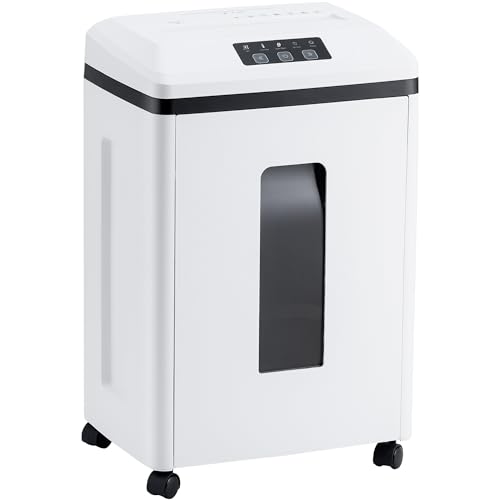
Effeluviate Professional Commercial Paper Shredder, P-7 Security Micro-Cut
- Security Level: DIN P-7 micro-cut security
- Sheet Capacity: Shreds 7 sheets simultaneously
- Versatile Shredding: Destroys paper, staples, credit cards, CDs/DVDs
As an affiliate, we earn on qualifying purchases.
As an affiliate, we earn on qualifying purchases.

Freestanding Privacy Office Partition, Acoustic Cubicle Divider, 66×64 inch
- Creates Private Work Areas: Reduces visual distractions in open spaces
- Absorbs Sound & Echo: Polyester panels improve acoustic comfort
- Flexible Configuration Options: Arrange panels in various layouts
As an affiliate, we earn on qualifying purchases.
As an affiliate, we earn on qualifying purchases.