

Many remote workers overlook locking their computers before stepping away, leaving sensitive data exposed. This simple habit is essential for maintaining digital privacy and preventing unauthorized access. Without locking your device, you risk data leaks and security breaches, especially if someone else gains physical access. Developing the habit of locking your computer each time you leave your workspace can considerably boost your privacy. Stay with us to discover more important tips for safeguarding your remote work environment.

Get comfort and recovery gear delivered free with Prime
- Fast, free delivery on millions of items
- Prime Video, Amazon Music and more included
- Member-only deals all year
Key Takeaways
- Forgetting to lock devices when stepping away, risking unauthorized access to work information.
- Failing to regularly update passwords and security protocols, leaving accounts vulnerable.
- Neglecting to establish clear digital boundaries between work and personal life.
- Ignoring the importance of physical workspace security, such as securing sensitive documents.
- Overlooking the need to review and adapt security practices amid evolving cyber threats.
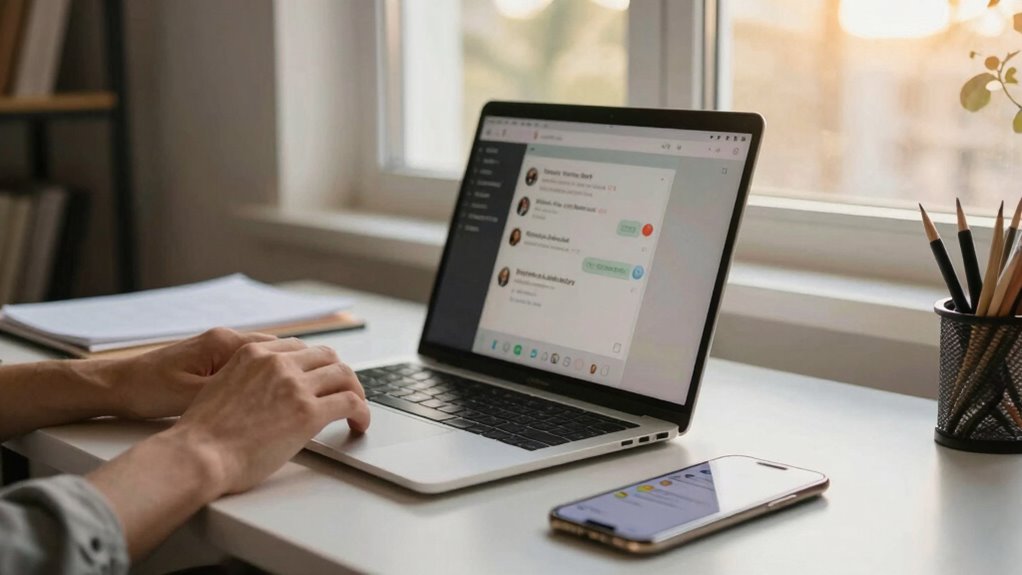
In today’s digital workplace, maintaining your privacy during the workday isn’t just a good habit—it’s essential. Many remote workers overlook a crucial workday privacy habit: setting clear digital boundaries. Without these boundaries, your personal information and sensitive work data are more vulnerable than you realize. It’s easy to let work spill into your personal space, but establishing firm digital boundaries helps protect your privacy while enhancing workspace security. This means being intentional about what devices, apps, and platforms you use for work, and ensuring they’re separate from your personal digital life. When you keep work-related activities confined to designated tools, you minimize the risk of accidental data leaks or breaches that could compromise your privacy.
Setting clear digital boundaries protects your privacy and enhances security in today’s remote work environment.
You might think you’re safe simply because you’re working from home, but neglecting workspace security measures can leave you exposed. Many remote workers forget to implement simple tactics like locking their devices when stepping away or using strong, unique passwords for work accounts. These small actions create a layered defense that shields your personal and professional information from cyber threats. Making it a habit to regularly update your software, enable two-factor authentication, and avoid using unsecured Wi-Fi networks further strengthens your workspace security. These steps might seem minor, but they play a significant role in maintaining your privacy throughout the workday. Additionally, understanding air quality and ensuring proper ventilation in your workspace can also contribute to better focus and overall well-being. Regularly reviewing your digital security practices can help you stay ahead of evolving cyber threats. Incorporating workplace security measures into your routine ensures a comprehensive approach to safeguarding your data. Building awareness of cyber hygiene is equally important to prevent potential breaches and protect your digital footprint.
Another often skipped privacy habit is being mindful of your digital footprint. While it’s tempting to multitask or browse social media during breaks, you should avoid doing so while logged into work accounts. This can inadvertently expose sensitive information or give cybercriminals an entry point if your accounts aren’t adequately protected. Instead, set boundaries around your online activities and keep your personal browsing separate from your professional tasks. This discipline not only helps preserve your privacy but also boosts your productivity by reducing distractions.
Finally, many remote workers overlook the importance of secure physical workspace practices. Even if your digital boundaries are well-defined, your workspace security depends on physical measures—like locking your computer when you step away and keeping sensitive documents out of sight. Establishing these physical boundaries complements your digital privacy efforts and creates a comprehensive shield against potential breaches.
As an affiliate, we earn on qualifying purchases.
Frequently Asked Questions
How Can I Improve My Workday Privacy Without Affecting Productivity?
You can improve your workday privacy by setting clear digital boundaries, like creating private spaces for work and using privacy screens. Be mindful of what personal data you share and limit it to essentials. Regularly review privacy settings on your work tools, and avoid discussing sensitive information in shared or open environments. These steps help protect your personal data without hindering your productivity or focus.
Are There Specific Tools That Enhance Remote Work Privacy?
Yes, you can use tools like virtual encryption software to protect your sensitive data during remote work. Privacy training programs also teach you best practices to keep your information safe and maintain confidentiality. These tools and training help you stay secure without sacrificing productivity, ensuring your work stays private even when you’re working from home. Incorporating virtual encryption and privacy training into your routine boosts your overall remote work privacy effectively.
How Do I Address Privacy Concerns With My Employer?
You should boldly set personal boundaries and discuss data security with your employer—after all, they can’t read your mind. Clearly communicate your privacy concerns, ask about their data protection policies, and suggest secure tools if needed. By proactively addressing these issues, you show you’re serious about privacy, preventing your employer from turning your home into a surveillance zone. Remember, safeguarding your data is your right, not a favor.
What Are Common Privacy Mistakes Remote Workers Make?
You often make privacy mistakes by neglecting to protect your personal data and manage your digital footprint. Sharing too much on work-related platforms or unsecured networks can expose sensitive information. Always use strong passwords, enable two-factor authentication, and be cautious about what you post online. Regularly review privacy settings and avoid oversharing to maintain control over your personal data and keep your digital footprint secure.
Does Workday Privacy Impact My Job Performance Evaluations?
Yes, Workday privacy impacts your job performance evaluations because your data security practices matter. When you use data encryption and access controls properly, you’re protecting sensitive information, which reflects positively on your professionalism. If you neglect these privacy habits, it could lead to data breaches or mishandling, potentially affecting how your performance is assessed. Prioritizing privacy helps maintain trust and shows you’re responsible with company data.
two-factor authentication security key
As an affiliate, we earn on qualifying purchases.
As an affiliate, we earn on qualifying purchases.
Conclusion
Don’t overlook the importance of your workday privacy habits. Even if you think it’s just a quick call or a sensitive document, maintaining privacy protects your professional reputation and personal information. Skipping this habit might seem minor, but it can lead to bigger issues down the line. Prioritize your privacy consistently—it’s a simple step that keeps your workday secure and stress-free, no matter where you’re working from.
secure Wi-Fi router for home office
As an affiliate, we earn on qualifying purchases.
As an affiliate, we earn on qualifying purchases.
As an affiliate, we earn on qualifying purchases.
Halloween Picks
halloween
As an affiliate, we earn on qualifying purchases.