
TL;DR

Get comfort and recovery gear delivered free with Prime
- Fast, free delivery on millions of items
- Prime Video, Amazon Music and more included
- Member-only deals all year
Fit&Well recommends the single-leg supine windshield wiper, a gentle yoga movement that can be done lying on a bed, as an option for people who feel hip tightness. The report gives instructions for three to five repetitions and a three-to-five-breath hold on each side, but provides no clinical evidence that the pose treats hip problems.
Fit&Well has highlighted a bed-based yoga pose, the single-leg supine windshield wiper, as a simple way to gently move the hips and lower back when they feel tight. The wellness report recommends holding the position for three to five breaths and repeating it three to five times on each side, while offering no clinical evidence that the movement treats an underlying condition.
To begin, lie on your back with your knees bent and feet flat on the bed or floor, with the feet slightly wider than hip-width apart. Rest your arms beside you, palms down, or bend the elbows and raise the arms into a comfortable cactus-like position. The movement can be done without standing up or using a yoga mat.
After preparing with an inhale, exhale and lower one knee toward the floor beside the opposite foot. Hold for three to five breaths, then slowly return the knee to the starting position and repeat on the other side. Fit&Well suggests three to five repetitions per side. People can coordinate the movement with their breathing, lowering the knee on an exhale and bringing it back on an inhale, if that feels comfortable.
The report’s author says the pose is used in their yoga therapy work and describes it as a way to release tension and add a gentle twist. Those are the author’s descriptions, not outcomes established in the supplied material by research or a medical assessment. The report also mentions a double-leg variation, but favors the single-sided version to focus on one hip at a time.
A Gentle Option Before Getting Up
The pose’s practical appeal is its low barrier to starting: it requires no equipment and can be done in bed, which may suit people who want a short, manageable movement before beginning the day. Its single-sided format also lets a person move each hip separately rather than forcing both legs through the same range at once.
That accessibility should not be confused with proof of treatment. Feeling tightness can have different causes, and a gentle movement may feel comfortable for one person but not another. The article presents the pose as a wellness practice; it does not establish that it resolves persistent pain, injury, or restricted movement. Readers should stop if it causes pain and seek qualified medical advice for ongoing or concerning symptoms.
Popular right now
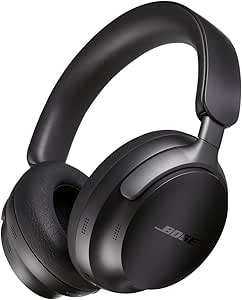
Bose QuietComfort Ultra Wireless Noise-Cancelling Headphones with Spatial Audio, Black

De'Longhi 15-Bar Pump Espresso Machine with Milk Frother & Temperature Control

Vitamix 5200 Professional-Grade Blender, 64 oz. Container, Black
As an affiliate, we earn on qualifying purchases.
The Report’s Short Practice
Fit&Well’s article argues that yoga need not be difficult or require a mat to be useful, and emphasizes consistency over complexity. Its author says they sometimes use one or two targeted poses for a week or longer when a body area feels tight. The supplied source does not give a publication date, identify a study behind the recommendation, or provide evidence comparing the movement with other approaches.
The instructions are a single-leg version of a supine “windshield wiper”: with the body lying face-up, one bent knee moves across toward the opposite side. The report presents it as a gentle lower-body twist and says it can be adapted to comfort. It also characterizes the pose as calming and supportive of emotional balance; those benefits are attributed to the report, not independently verified in the material provided.
““What counts is consistency.””
— Fit&Well report
Evidence and Individual Comfort
The supplied article does not cite clinical trials or medical guidance establishing how much the pose eases hip tightness, how long any effect lasts, or whether it is suitable for people with particular injuries or health conditions. It also does not define what it means by “tight hips” or distinguish ordinary stiffness from symptoms that may need assessment.
Comfort and range of motion will vary. The instructions say the movement can be adapted, but do not specify modifications for pain, pregnancy, recent surgery, or other individual circumstances. Anyone who experiences pain during the pose should stop; people with persistent symptoms or pre-existing conditions can ask a healthcare professional for guidance before trying it.
Try the Movement Within Comfort
Readers who choose to try the pose can follow the report’s modest starting point: three to five repetitions per side, holding each position for three to five breaths, and moving slowly rather than pushing the knee toward the floor. The article does not announce a follow-up study or a scheduled update, so no further evidence or outcome is identified in the supplied source.
The practical next step is to treat the movement as an optional gentle stretch, not a guaranteed fix. Whether it feels useful will depend on the individual, and worsening, persistent, or painful symptoms warrant advice from a qualified health professional rather than reliance on a yoga pose alone.
Key Questions
What is the single-leg supine windshield wiper?
It is a lying-down movement in which you bend both knees, keep your feet planted, and lower one knee toward the opposite side. Fit&Well presents it as a gentle way to move one hip at a time.
Can you do the pose in bed?
Yes. The report says it can be done on a bed or on the floor, with no mat required. Use a surface and range of movement that feel comfortable.
How many repetitions does Fit&Well recommend?
The report suggests three to five repetitions on each side, holding each position for three to five breaths. It does not establish that this amount is medically prescribed or suitable for everyone.
Does the pose treat hip pain or a medical condition?
The supplied report does not provide clinical evidence that the movement treats hip pain or an underlying condition. Stop if it hurts, and consult a healthcare professional about persistent or concerning symptoms.
Source: fitandwell.com