Your physical space impacts how well you focus, communicate, and stay productive in digital work. An ergonomic and organized workspace reduces discomfort and distractions, helping you work longer and smarter. It also influences collaboration, making interactions with colleagues smoother or more difficult. Your environment affects your motivation and mental well-being, shaping your overall work experience. If you stay tuned, you’ll discover how optimizing your physical space can boost your digital work even more.

Get comfort and recovery gear delivered free — and shop member deals
- Fast, free delivery on millions of items
- Access to Prime Big Deal Days deals on October 6–7
- Prime Video, Amazon Music and more included
Key Takeaways
- Physical workspace layout influences focus, engagement, and interaction with digital tools essential for productivity.
- Ergonomic design enhances comfort, reduces fatigue, and supports sustained digital work sessions.
- Organized environments minimize distractions, improving task efficiency and mental well-being during digital tasks.
- Workspace configuration affects collaboration, communication, and team dynamics in digital work settings.
- Physical space impacts motivation, sense of control, and overall mental state, directly influencing digital work performance.
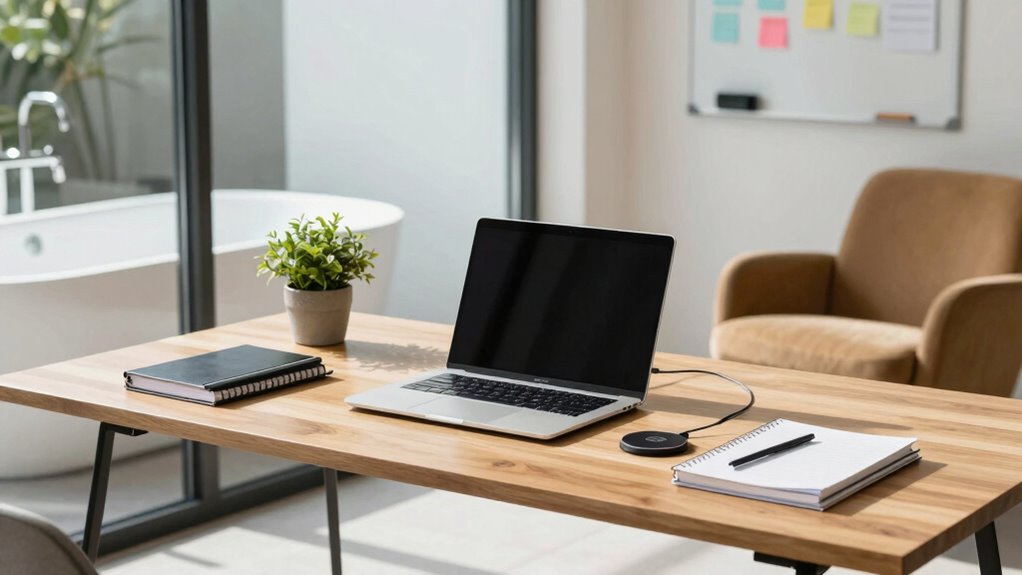
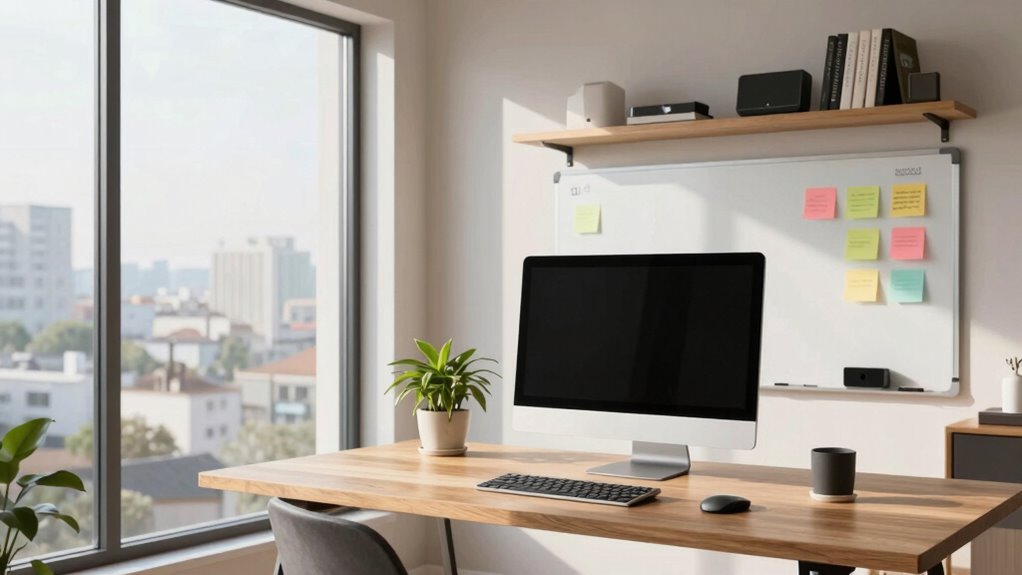
Even in an era dominated by digital connectivity, physical space continues to influence how you work online. The environment around you shapes your productivity, focus, and overall experience, even if your work is primarily virtual. When you step into your workspace, whether it’s a home office or a shared coworking area, the layout and design directly impact how effectively you engage with digital tools. For example, ergonomic design isn’t just about comfort; it’s about creating a setup that minimizes strain and enhances your ability to work long hours without fatigue. Proper placement of your monitor, keyboard, and chair ensures you maintain good posture, reducing the risk of repetitive strain injuries. This physical aspect might seem minor, but it profoundly affects your ability to perform consistently and comfortably in a digital environment.
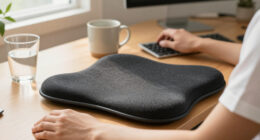
Ergonomic workspace design minimizes strain, boosting comfort and productivity during long digital work sessions.
Moreover, spatial collaboration plays a vital role in how you communicate and coordinate with colleagues. Even if most of your work is done online, the physical configuration of your workspace influences your interaction quality. When your environment encourages open, flexible movement—like having a shared table or a collaborative desk area—you naturally foster more spontaneous conversations and idea exchanges. These informal interactions can be the backbone of effective digital collaboration, helping you brainstorm, troubleshoot, or simply stay connected. Conversely, a cluttered or poorly organized space might inhibit collaboration, making virtual meetings feel disconnected or less productive. The physical layout sets the tone for how seamlessly you can shift between individual focus and group interaction. Additionally, ergonomic design plays a crucial role in supporting your physical and mental well-being, ensuring you stay comfortable and focused throughout your workday. Recognizing the impact of physical environment on your mental state underscores the importance of designing a workspace that promotes well-being and efficiency. Creating an environment that considers spatial organization can also enhance your overall motivation and sense of control over your work setting.
Your physical space also impacts your mental clarity and motivation. An organized, thoughtfully designed environment reduces distractions and helps you stay aligned with your tasks. When your workspace promotes ergonomic design, you’re less likely to experience discomfort that distracts you during work. Moreover, understanding how workspace layout influences your daily routines can help you optimize your productivity and adapt to changing work demands. When it supports spatial collaboration, you’re more inclined to engage with team members meaningfully, even across distances. These elements reinforce the idea that physical space isn’t just background—it’s an active component of your digital work experience. You may not be aware of it all the time, but your environment continuously influences your efficiency, creativity, and overall well-being.
In the end, understanding the importance of physical space reminds you that digital work isn’t isolated from your physical surroundings. Instead, it’s deeply interconnected. By paying attention to ergonomic design and fostering conducive spatial collaboration, you set yourself up for success—making your digital work more comfortable, connected, and productive.
ergonomic office chair for long hours
As an affiliate, we earn on qualifying purchases.
As an affiliate, we earn on qualifying purchases.
Frequently Asked Questions
How Does Physical Space Influence Team Collaboration Remotely?
Physical space influences your remote team collaboration by shaping spatial awareness and providing environmental cues that foster connection. When your team shares a virtual workspace, these cues help everyone understand each other’s availability and mood, boosting communication. Clear spatial awareness minimizes misunderstandings, making collaboration smoother. By optimizing your digital environment, you create a sense of presence and trust, which directly enhances teamwork and productivity, even across distances.
Can Digital Tools Fully Replicate Physical Work Environments?
Digital tools can’t fully replicate physical work environments because virtual ergonomics lack the tactile and spatial cues you get in person. You rely on spatial memory to navigate your workspace, which helps focus and efficiency. Virtual setups often miss these subtle cues, making it harder to create a seamless, intuitive environment. While technology advances, the physical space’s role in shaping your work experience remains irreplaceable.
What Role Does Physical Design Play in Digital Productivity?
Have you noticed how your workspace’s physical design boosts your digital productivity? Ergonomic furniture keeps you comfortable, reducing fatigue and increasing focus. Ambient lighting sets the mood and minimizes eye strain, helping you stay alert. Doesn’t it make sense that a well-designed physical environment supports your digital tasks? When your space is optimized, you work more efficiently, blending physical comfort with digital performance seamlessly.
How Do Physical Boundaries Affect Digital Communication?
Physical boundaries influence your digital communication by shaping your spatial awareness and privacy concerns. When boundaries are clear, you’re more aware of who’s around and can communicate confidently without intruding on others. Conversely, lack of boundaries can lead to privacy issues, making you hesitant or distracted. These physical cues help you manage your digital interactions effectively, ensuring respectful and focused conversations while maintaining a sense of control over your environment.
Are Virtual Spaces More Effective Without Physical Constraints?
Virtual spaces are often less effective without physical constraints because they lack clear boundaries that foster spatial awareness. Without virtual boundaries, you might struggle to distinguish work from leisure, leading to distractions. Physical boundaries help you stay focused by setting clear limits, even in digital environments. They create a sense of structure, making it easier to manage your time and attention, ultimately enhancing productivity and clarity in your virtual workspace.
As an affiliate, we earn on qualifying purchases.
Conclusion
You might be surprised to learn that over 70% of remote workers say having a dedicated physical workspace boosts their productivity. Even in a digital world, your physical environment influences focus, creativity, and collaboration. As you design your space, remember it’s not just about comfort—it’s about shaping your mindset and work habits. So, whether you’re at a kitchen table or a home office, your physical space continues to hold power in your digital success.
desk organization and storage solutions
As an affiliate, we earn on qualifying purchases.
As an affiliate, we earn on qualifying purchases.
ergonomic keyboard and mouse set
As an affiliate, we earn on qualifying purchases.
As an affiliate, we earn on qualifying purchases.
Halloween Picks
halloween
As an affiliate, we earn on qualifying purchases.