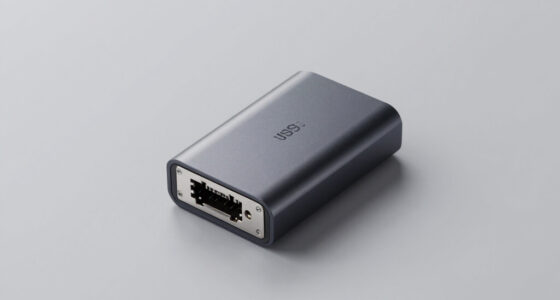
For creators shooting 4K/6K video, burst photography, or raw timelines, a UHS-II SD card is the difference between a card that keeps up and one that chokes mid-shoot. My top overall pick is the Lexar Professional 2000x 128GB, which pairs V90 certification with a 300MB/s read speed at a mid-tier price point — the strongest balance of sustained write performance and value in this lineup. Close behind, the ProGrade Digital Iridium V90 serves heavy cinema workloads with consistent write speeds, while the PNY 256GB EliteX-PRO60 offers serious capacity for less money if you don’t need V90 burst rates. The main tradeoff throughout this category is speed class versus cost per gigabyte: V90 cards cost roughly double what V60 cards do, and not every creator needs that premium. Keep reading for the full breakdown of where each card earns its place and where it falls short.

Get comfort and recovery gear delivered free with Prime
- Fast, free delivery on millions of items
- Prime Video, Amazon Music and more included
- Member-only deals all year
Complete the kit


Key Takeaways
- V90 certification separated the serious picks from the rest — only the Lexar 2000x, ProGrade Iridium, and Kingston Canvas React Plus cards guaranteed sustained writes fast enough for 6K raw and long burst sequences.
- The Kingston Canvas React Plus 32GB is the cheapest entry into true V90 performance, but its tiny capacity makes it better as a backup or stills-only card than a primary video card.
- V60 cards like the ProGrade Gold and PNY EliteX-PRO60 handled 4K footage without issue, revealing that many creators are overpaying for V90 speeds their cameras never request.
- Capacity per dollar favored the 256GB options (Lexar SILVER PRO, PNY EliteX-PRO60), making them the smarter choice for event and travel shooters who can’t offload cards mid-day.
- The Lexar 1667x landed in the middle of the pack on speed, but its broad compatibility and recovery software make it a dependable secondary card rather than a lead performer.
| ProGrade Digital 128GB SDXC UHS-II V60 Gold Memory Card |  | Best Overall for Hybrid Shooters | Capacity: 128GB | Card Type: SDXC UHS-II | Speed Class: V60 | VIEW ON AMAZON | See Our Full Breakdown |
| Lexar Professional SILVER PRO 256GB SDXC UHS-II Memory Card |  | Best Value for Capacity | Capacity: 256 GB | Card Type: SDXC UHS-II | Speed Class: Class 10 / U3, V60 | VIEW ON AMAZON | See Our Full Breakdown |
| SanDisk 128GB Extreme PRO UHS-II SD Memory Card |  | Best for Rugged Field Work | Capacity: 128GB | Interface: UHS-II | Maximum Read Speed: Up to 300 MB/s | VIEW ON AMAZON | See Our Full Breakdown |
| Kingston Canvas React Plus 32GB SDHC UHS-II Memory Card |  | Best for High-Speed Stills Bursts | Capacity: 32GB | Card Type: SDHC UHS-II | Speed Class: U3, V90 | VIEW ON AMAZON | See Our Full Breakdown |
| ProGrade Digital Iridium SDXC UHS-II V90 Memory Card, 128GB |  | Best Premium for Cinema Workflows | Capacity: 128GB | Card Type: SDXC UHS-II | Speed Class: V90, U3 | VIEW ON AMAZON | See Our Full Breakdown |
| Lexar Professional 2000x 128GB SDXC UHS-II Memory Card, 300MB/s Read, V90, U3 |  | Best for 8K Video on a Budget | Capacity: 128GB | Interface: UHS-II (backwards compatible with UHS-I) | Speed Class: U3, Class 10, V90 | VIEW ON AMAZON | See Our Full Breakdown |
| SanDisk 128GB Extreme PRO UHS-II SD Memory Card |  | Best for 6K Mirrorless and Cinema Work | Capacity: 128GB | Interface: UHS-II | Video Speed Class: V60 | VIEW ON AMAZON | See Our Full Breakdown |
| PNY 256GB EliteX-PRO60 UHS-II SDXC Memory Card (V60, U3, Class 10) |  | Best Capacity-per-Dollar Workhorse | Capacity: 256GB | Interface: UHS-II (backwards compatible with UHS-I) | Speed Class: Class 10, U3, V60 | VIEW ON AMAZON | See Our Full Breakdown |
| Kingston Canvas React Plus 64GB SDXC UHS-II Memory Card (300R/260W, U3, V90) |  | Best Write-Speed Performer | Capacity: 64GB | Format: SDXC UHS-II | Speed Class: U3, V90 | VIEW ON AMAZON | See Our Full Breakdown |
| Lexar Professional 1667x 128GB UHS-II SDXC Memory Card |  | Best Entry-Level UHS-II Pick | Capacity: 128GB | Card Type: SDXC UHS-II | Speed Class: U3, V60, Class 10 | VIEW ON AMAZON | See Our Full Breakdown |
| sd card uhs ii for creator | Capacity | Speed Class | Card Type | Max Read Speed |
|---|---|---|---|---|
| ProGrade Digital 128GB SDXC UH | 128GB | V60 | SDXC UHS-II | — |
| Lexar Professional SILVER PRO | 256 GB | Class 10 / U3, V60 | SDXC UHS-II | — |
| SanDisk 128GB Extreme PRO UHS- | 128GB | — | — | — |
| Kingston Canvas React Plus 32G | 32GB | U3, V90 | SDHC UHS-II | — |
| ProGrade Digital Iridium SDXC | 128GB | V90, U3 | SDXC UHS-II | — |
| Lexar Professional 2000x 128GB | 128GB | U3, Class 10, V90 | — | 300 MB/s |
| SanDisk 128GB Extreme PRO UHS- | 128GB | — | — | Up to 280 MB/s |
| PNY 256GB EliteX-PRO60 UHS-II | 256GB | Class 10, U3, V60 | — | Up to 280 MB/s |
| Kingston Canvas React Plus 64G | 64GB | U3, V90 | — | Up to 300 MB/s |
| Lexar Professional 1667x 128GB | 128GB | U3, V60, Class 10 | SDXC UHS-II | Up to 250 MB/s |
More Details on Our Top Picks
ProGrade Digital 128GB SDXC UHS-II V60 Gold Memory Card
This option stands out for creators who split their time between stills and video, because V60 certification with a 130 MB/s sustained write handles most hybrid workflows without paying for speed you won’t use. Compared with the Lexar SILVER PRO, the ProGrade trades a bit of peak write speed for tighter quality control — each card is individually inspected and carries a laser-etched serial number, which matters if you’ve ever been burned by a counterfeit card from a marketplace seller. The 250 MB/s read speed keeps offloading sessions short when paired with a UHS-II reader. The real tradeoff is cost and ecosystem lock-in: Recovery Pro software is sold separately, and the price per gigabyte sits well above consumer UHS-I cards. For photographers shooting bursts or 4K at moderate bitrates, this pick makes the most sense for reliability-first buying.
Pros:- Laser-etched serial numbers protect against counterfeits
- Individually inspected before shipping for consistent quality
- 130 MB/s write speed comfortably handles 4K and RAW still bursts
- 250 MB/s read speed shortens offload sessions
Cons:- Recovery Pro data recovery software costs extra
- Higher price per gigabyte than mainstream UHS-II alternatives like the Lexar SILVER PRO
Best for: Wedding and event photographers who need dependable burst shooting and moderate 4K recording without overspending on V90 speed
Not ideal for: 8K or high-bitrate RAW video shooters — the V60 rating will bottleneck sustained recording compared to the Kingston Canvas React Plus or ProGrade Iridium
- Capacity:128GB
- Card Type:SDXC UHS-II
- Speed Class:V60
- Write Speed:130 MB/s
- Read Speed:250 MB/s
- Serial Number:Laser-etched for authenticity
- Quality Control:Individually inspected
Our verdict“If you want a trustworthy workhorse card for mixed photo and video work, this is the safest all-around choice in the lineup.”
Lexar Professional SILVER PRO 256GB SDXC UHS-II Memory Card
Where the ProGrade Gold emphasizes inspection and pedigree, this Lexar wins on simple math: 256GB of V60 storage at a friendlier price per gigabyte, which is what long shoot days actually demand. The 280 MB/s read and 160 MB/s write figures actually edge out the ProGrade’s numbers, meaning buffer clearing and card-to-computer transfers feel quicker in day-to-day use. The lifetime limited warranty also outlasts the three-year coverage on the ProGrade Iridium, which is reassuring for a card you’ll cycle through hundreds of shoots. Tradeoffs are real though: without a UHS-II reader, you’ll never see these speeds, and 256GB fills faster than you’d expect during extended 4K sessions — heavy videographers may still want to carry a second card. For budget-conscious creators building a multi-card kit, this model makes the most sense.
Pros:- 256GB capacity gives more recording time per card than 128GB rivals
- 280 MB/s read speed for fast offloads
- Lifetime limited warranty
- Backwards-compatible with UHS-I devices
Cons:- Requires a UHS-II reader to actually reach advertised speeds
- 256GB can still fill up during marathon 4K shoots
Best for: Emerging videographers and content creators who need dependable 4K capacity across multiple cards without paying V90 prices
Not ideal for: 8K or high-frame-rate shooters — the V60 rating lacks the sustained write headroom of a V90 card like the Kingston Canvas React Plus
- Capacity:256 GB
- Card Type:SDXC UHS-II
- Speed Class:Class 10 / U3, V60
- Write Speed:Up to 160 MB/s
- Read Speed:Up to 280 MB/s
- Compatibility:Backwards-compatible with UHS-I
- Warranty:Lifetime limited
Our verdict“The smart pick if your priority is maximum dependable storage per dollar rather than bleeding-edge speed.”
SanDisk 128GB Extreme PRO UHS-II SD Memory Card
What separates this card from the speed-focused options here isn’t throughput — it’s survivability. The IP68 water and dust resistance and drop rating up to 6 meters mean this is the card you want when weather turns bad at a landscape shoot or a card gets knocked onto concrete mid-swap. Its 300 MB/s read and write speeds match the Kingston Canvas React Plus on paper, and unlike the ProGrade offerings, two years of RescuePRO Deluxe recovery software are included rather than sold separately. The tradeoff is capacity: at 128GB, you’re getting half the storage of the Lexar SILVER PRO for similar money, and SanDisk’s marketing cites storage-time figures based on cards up to 512GB, so plan your card rotation carefully. Compared with the ProGrade Gold, this pick makes more sense for adventure and outdoor shooters than studio photographers.
Pros:- IP68 water and dust resistance
- Tested drop resistance up to 6 meters
- 300 MB/s read and write speeds
- Includes two years of RescuePRO Deluxe recovery software
Cons:- 128GB capacity is limiting for extended 4K recording
- Advertised storage-time figures reference cards up to 512GB, not this model
Best for: Outdoor, adventure, and travel shooters who work in dust, rain, or rough conditions where card survival matters as much as speed
Not ideal for: Long-form video shooters on a budget — 128GB fills quickly, and the Lexar SILVER PRO offers double the capacity at a V60 tier for less demanding work
- Capacity:128GB
- Interface:UHS-II
- Maximum Read Speed:Up to 300 MB/s
- Maximum Write Speed:Up to 300 MB/s
- Water/Dust Resistance:IP68
- Drop Resistance:Tested up to 6 meters
- Included Software:RescuePRO Deluxe (2 years)
Our verdict“Choose this when your shooting environment is harsher than your studio — the durability here is the differentiator, not raw speed.”
Kingston Canvas React Plus 32GB SDHC UHS-II Memory Card
At first glance, 32GB in a UHS-II card seems odd — until you consider what it’s for. With V90 certification and a 260 MB/s write speed, this card matches the performance of the ProGrade Iridium at a fraction of the capacity, making it a smart buy for sports and wildlife photographers who fire long RAW bursts but don’t need hours of storage. Smaller capacity also means less to lose if a card fails, which is why many pros deliberately run small cards for paid assignments. Compared with the SanDisk Extreme PRO, the Kingston gives up the environmental ratings but holds the same speed class, so the choice comes down to whether you shoot in rain or in arenas. The obvious drawback: 4K and 8K video will eat 32GB in minutes, making this a specialized tool rather than an all-rounder. For burst-heavy stills work, this model is better suited than anything else in this lineup.
Pros:- V90 rating guarantees 90 MB/s minimum sustained write
- 260 MB/s write speed clears camera buffers fast
- 300 MB/s read speed for quick offloads
- Supports 4K and 8K capture when capacity allows
Cons:- 32GB capacity is extremely limiting for video or all-day shoots
- Higher cost per gigabyte than larger cards in this roundup
Best for: Sports, wildlife, and action photographers who shoot rapid RAW bursts and prefer rotating several small cards during paid shoots
Not ideal for: Videographers of any kind — 32GB fills within minutes of 4K recording, making it impractical for video workflows
- Capacity:32GB
- Card Type:SDHC UHS-II
- Speed Class:U3, V90
- Maximum Read Speed:300 MB/s
- Maximum Write Speed:260 MB/s
- Supported Video:4K and 8K Ultra HD
Our verdict“A deliberately small, deliberately fast card for stills shooters who value speed and risk management over capacity.”
ProGrade Digital Iridium SDXC UHS-II V90 Memory Card, 128GB
This is the card you buy when a dropped frame costs you money. The headline spec is the 90 MB/s minimum sustained write speed — not a peak figure, but a floor — which is what cinema cameras recording 8K or RAW video actually require. Compared with the ProGrade Gold, the Iridium steps up from V60 to V90 and pushes write speed from 130 to 200 MB/s, and unlike the Kingston Canvas React Plus, it carries that performance in a 128GB capacity that can hold real footage. The 300 MB/s read speed matches the fastest cards here, so offloading large video files stays painless. The tradeoffs are straightforward: it occupies the premium price tier, and Refresh Pro maintenance software is sold separately, adding to the total cost of ownership. For filmmakers whose cameras demand V90, though, cheaper V60 cards simply aren’t an option.
Pros:- V90 rating with 90 MB/s guaranteed minimum sustained write
- 200 MB/s write and 300 MB/s read speeds
- Built for 4K, 8K, and RAW video workflows
- Three-year warranty
Cons:- Refresh Pro software sold separately
- Premium pricing compared with V60 alternatives like the Lexar SILVER PRO
Best for: Filmmakers and videographers shooting 8K, high-bitrate 4K, or RAW video on cinema cameras that require guaranteed V90 sustained writes
Not ideal for: Hobbyists and casual shooters — the V90 premium is wasted money if your camera tops out at standard 4K bitrates that V60 cards handle fine
- Capacity:128GB
- Card Type:SDXC UHS-II
- Speed Class:V90, U3
- Maximum Read Speed:300 MB/s
- Maximum Write Speed:200 MB/s
- Minimum Sustained Write:90 MB/s
- Warranty:Three years
Our verdict“If your camera’s spec sheet says V90, this is the card that keeps your footage safe; everyone else can save money lower in this lineup.”
Lexar Professional 2000x 128GB SDXC UHS-II Memory Card, 300MB/s Read, V90, U3
This option stands out for pairing a V90 rating with 300MB/s read speeds at a capacity that keeps the total investment reasonable — a combination most V90 cards, like the ProGrade Digital Iridium 128GB, charge a premium for. The V90 badge matters here because it guarantees a minimum sustained write speed high enough for 8K and high-bitrate RAW video, something the V60 cards in this roundup (the PNY EliteX-PRO60 or Lexar 1667x) cannot promise. Compared with the Kingston Canvas React Plus 64GB, you get double the capacity at the same speed class, which means fewer mid-shoot card swaps. The tradeoff: Lexar publishes no explicit write speed figure, so photographers who shoot enormous RAW bursts may prefer Kingston’s clearly stated 260MB/s write guarantee.
Pros:- V90 rating guarantees sustained writes suitable for 8K and high-bitrate video
- 300MB/s read speeds for fast offloading to a UHS-II reader
- 128GB capacity doubles the Kingston V90 option’s storage
- Rugged build with drop, temperature, vibration, and X-ray resistance plus a limited lifetime warranty
Cons:- No official write speed specification, which is unusual for a V90 card
- Full performance requires UHS-II readers and cameras; UHS-I gear caps it at UHS-I speeds
Best for: Hybrid shooters recording 8K or high-bitrate 4K video who want V90 assurance without paying flagship V90 prices
Not ideal for: Burst-first sports and wildlife photographers who need a guaranteed write speed spec — the unstated write performance makes it a gamble
- Capacity:128GB
- Interface:UHS-II (backwards compatible with UHS-I)
- Speed Class:U3, Class 10, V90
- Max Read Speed:300 MB/s
- Video Support:Full HD, cinema-quality 8K
- Durability:Drop, temperature, vibration, and X-ray proof
- Warranty:Limited lifetime
Our verdict“A smart pick for video-centric creators who need V90 reliability and 8K headroom at 128GB, as long as guaranteed burst-write numbers aren’t a dealbreaker.”
SanDisk 128GB Extreme PRO UHS-II SD Memory Card
The SanDisk Extreme PRO UHS-II earns its spot as the most video-eclectic V60 option in this lineup, explicitly supporting Full HD through 6K capture — a claim the PNY EliteX-PRO60 stops short of making with its 4K ceiling. Its 100MB/s write speed is enough for continuous burst shooting on most mirrorless bodies, though it sits well below the PNY’s 180MB/s write, which matters if you shoot long RAW bursts or high-frame-rate clips. Where this card pulls ahead is trust and consistency: SanDisk’s Extreme PRO line has long been a default in cinema rigs, and the clearly stated 280MB/s read / 100MB/s write split gives buyers honest expectations, unlike the Lexar 1667x, which publishes no write figure at all. The tradeoff is that V60 tops out below the sustained rates demanded by the highest-bitrate internal recording modes.
Pros:- Explicit support up to 6K video recording alongside 4K UHD and Full HD
- Honest, stated write speed of 100MB/s for burst photography
- 280MB/s read speeds speed up offloading on UHS-II readers
- Trusted Extreme PRO pedigree common in professional workflows
Cons:- Write speed trails the PNY EliteX-PRO60 by 80MB/s despite a similar read rating
- Real-world performance varies noticeably depending on host camera and file types
Best for: Mirrorless and cinema camera operators shooting 4K to 6K who prioritize a proven, widely supported V60 card
Not ideal for: Creators recording 8K or extreme-bitrate internal RAW — V60’s 60MB/s sustained floor is below what those codecs demand
- Capacity:128GB
- Interface:UHS-II
- Video Speed Class:V60
- Max Read Speed:Up to 280 MB/s
- Max Write Speed:Up to 100 MB/s
- Sustained Video Capture Rate:60 MB/s
- Supported Resolutions:Full HD, 4K UHD, 6K
Our verdict“A dependable, transparently specified V60 card for 4K-to-6K shooters, though heavy burst photographers should weigh PNY’s faster writes.”
PNY 256GB EliteX-PRO60 UHS-II SDXC Memory Card (V60, U3, Class 10)
Compared with the other V60 cards here, the PNY EliteX-PRO60 wins on a spec most creators actually feel daily: 256GB of capacity combined with a class-leading 180MB/s write speed. That write figure beats the SanDisk Extreme PRO UHS-II by 80MB/s at the same read tier, which translates to longer RAW bursts clearing faster and less buffer lockout during fast action. Against the Lexar SILVER PRO 256GB, this model’s stated sustained performance and four-proof durability rating make it the safer choice for outdoor and run-and-gun work. The honest limitation is the V60 rating itself — like every V60 in this roundup, it isn’t rated for the highest-bitrate 6K/8K RAW internal recording that V90 cards like the Lexar 2000x handle, so cinema shooters should look up the lineup rather than here.
Pros:- 256GB capacity is double most cards in this roundup
- 180MB/s write speed leads all V60 options here
- Waterproof, shock-proof, temperature-proof, and magnet-proof construction
- Backwards compatible with UHS-I devices for older secondary bodies
Cons:- V60 rating caps it below 6K/8K RAW internal recording requirements
- UHS-I cameras and readers limit it to UHS-I speeds, negating its advantage
Best for: Event, wedding, and travel shooters who need lots of 4K footage per card plus fast burst-clearing writes
Not ideal for: 8K or high-bitrate RAW internal recorders — the V60 sustained floor can drop frames on those codecs
- Capacity:256GB
- Interface:UHS-II (backwards compatible with UHS-I)
- Speed Class:Class 10, U3, V60
- Max Read Speed:Up to 280 MB/s
- Max Write Speed:Up to 180 MB/s
- Max Video Resolution:4K Ultra HD (4096×3072)
- Durability:Magnet, shock, temperature, and waterproof
Our verdict“The best blend of capacity and write speed for 4K-heavy shooters who would rather buy storage than swap cards.”
Kingston Canvas React Plus 64GB SDXC UHS-II Memory Card (300R/260W, U3, V90)
Nothing else in this batch commits to 260MB/s sustained-capable writes like the Canvas React Plus — a figure that leaves the SanDisk Extreme PRO’s 100MB/s and even the PNY’s 180MB/s behind. For photographers shooting blackout-free RAW bursts or videographers pushing 8K, that write headroom is what prevents dropped frames and locked-up buffers, and the V90 rating backs it with a guaranteed minimum. The catch is blunt: 64GB fills fast. A single long 8K recording session can swallow the whole card, forcing either frequent swaps or buying several — which erodes the value argument versus the Lexar 2000x 128GB, another V90 card with double the space. This pick makes the most sense for shooters who prioritize absolute write performance over storage volume, or those building a multi-card kit.
Pros:- 260MB/s write speed is the fastest stated write in this roundup
- V90 rating guarantees sustained writes for 4K and 8K without dropped frames
- 300MB/s read speed matches the Lexar 2000x for rapid offloading
- Durable build aimed at professional field use
Cons:- 64GB capacity is the smallest here and ill-suited to 8K file sizes
- UHS-II pricing costs noticeably more per gigabyte than UHS-I alternatives
Best for: Action and sports photographers, plus 8K shooters, who need maximum guaranteed write speed and don’t mind swapping cards
Not ideal for: Long-form video creators — 64GB disappears quickly under 8K bitrates, demanding constant card management
- Capacity:64GB
- Format:SDXC UHS-II
- Speed Class:U3, V90
- Max Read Speed:Up to 300 MB/s
- Max Write Speed:Up to 260 MB/s
- Video Support:Full HD, 4K, 8K Ultra-HD
Our verdict“The fastest writer of the group — buy it if burst performance is king, skip it if you record long takes.”
Lexar Professional 1667x 128GB UHS-II SDXC Memory Card
For creators making their first jump from UHS-I to UHS-II, the Lexar 1667x is the gentlest on-ramp in this lineup. Its 250MB/s read speed still slashes offload times compared with any UHS-I card, though it trails the 300MB/s reads of the Lexar 2000x and Kingston Canvas React Plus. The V60 rating covers Full HD, 3D, and 4K recording — the same tier as the SanDisk Extreme PRO UHS-II — but unlike SanDisk, Lexar publishes no write speed, which is a real gap for anyone pushing long burst sessions. Where this card earns its place is as a secondary or backup card: 128GB of V60 capability at an accessible tier, backwards compatible so it still works in older UHS-I bodies you may keep as a second camera.
Pros:- 250MB/s read speed dramatically cuts offload time versus UHS-I cards
- V60 rating supports Full HD, 3D, and 4K recording
- 128GB capacity handles extended shooting sessions
- Backward compatibility keeps it usable in older UHS-I cameras
Cons:- No stated write speed leaves burst shooters guessing at real performance
- Read speed trails the 300MB/s tier of the Lexar 2000x and Kingston React Plus
Best for: Hobbyists and first-time UHS-II buyers shooting 4K who want faster offloads without flagship pricing
Not ideal for: Burst-heavy or 8K creators — the unspecified write speed and V60 ceiling make higher-tier cards the safer call
- Capacity:128GB
- Card Type:SDXC UHS-II
- Speed Class:U3, V60, Class 10
- Max Read Speed:Up to 250 MB/s
- Supported Video:Full HD, 3D, 4K
- Operating Temperature:0°C to 70°C (32°F to 158°F)
- Model:LSD128CBNA1667
Our verdict“A sensible, affordable first UHS-II card for 4K hobbyists — just don’t expect flagship write performance.”

How We Picked
I ranked these cards on four creator-focused criteria: sustained write speed (not just peak read speed, since a fast read rating means nothing if your camera stalls mid-burst), video speed class certification (V60 versus V90), capacity value for long shooting days, and build reliability including temperature, shock, and watermark ratings. A card that quotes 300MB/s read but only carries a V30 rating ranked lower than a slower-reading card with a guaranteed minimum write floor, because creators lose shots to write bottlenecks, not slow downloads.
The ranking also reflects workflow fit. Cards with V90 certification and larger capacities rose to the top for hybrid and video shooters, while smaller or slower cards earned places as budget, backup, or beginner picks. Where two cards offered similar performance, the one with stronger durability ratings and longer warranty coverage won the higher slot — a card that fails on location costs far more than the price difference between tiers.
| sd card uhs ii for creator | Card Type |
|---|---|
| ProGrade Digital 128GB SDXC UH | SDXC UHS-II |
| Lexar Professional SILVER PRO | SDXC UHS-II |
| SanDisk 128GB Extreme PRO UHS- | — |
| Kingston Canvas React Plus 32G | SDHC UHS-II |
| ProGrade Digital Iridium SDXC | SDXC UHS-II |
| Lexar Professional 2000x 128GB | — |
| SanDisk 128GB Extreme PRO UHS- | — |
| PNY 256GB EliteX-PRO60 UHS-II | — |
| Kingston Canvas React Plus 64G | — |
| Lexar Professional 1667x 128GB | SDXC UHS-II |
Factors to Consider When Choosing Sd Card Uhs Ii For Creators
Choosing a UHS-II card is less about buying the fastest one and more about matching the card to your camera, your codec, and your shooting style. These are the factors that actually change how a card performs in the field.V60 vs. V90: The Certification That Actually Matters
The V-rating is a guaranteed minimum sustained write speed: V60 promises at least 60MB/s and V90 promises at least 90MB/s, no matter what the marketing read speed says. This matters because a card can advertise 300MB/s read while writing far slower — and writing is what your camera does. Most 4K 10-bit workflows never exceed the V60 floor, which is why cards like the ProGrade Gold or PNY EliteX-PRO60 handle them without a hitch. V90 becomes a real requirement for 6K raw, high-frame-rate 4K, and long raw burst sequences, where buffer clearing needs that extra headroom. The common mistake here is paying V90 money for V60 needs; the second most common is buying a V30 card labeled “UHS-II” and discovering it stalls during a shoot.
Read Speed vs. Write Speed: Read the Fine Print
Manufacturers lead with read speed because it’s the bigger number, but write speed is the spec creators live and die by. A card rated 300MB/s read might write at 250MB/s (Kingston Canvas React Plus) or at an undisclosed lower figure (Lexar 1667x). If a card doesn’t publish its write speed, treat that as a signal. Read speed still matters at the edit bay — offloading a 256GB card at 300MB/s versus 250MB/s saves real minutes on a tight deadline — but a slow-writing card can cost you the shot entirely. When comparing cards, always find the write number first and the read number second.
Capacity: Match Size to Your Offload Routine
Capacity is a workflow decision, not a spec decision. A 32GB V90 card like the Kingston Canvas React Plus fills in under 20 minutes of 6K recording, which forces constant card swapping but keeps your footage spread across multiple cards — a genuine hedge against failure. A 256GB card like the Lexar SILVER PRO or PNY EliteX-PRO60 carries a full event or travel day on one card, but concentrates risk. The rule of thumb many working shooters follow: two 128GB cards beat one 256GB card of equal speed, because a lost or corrupted card then costs half a day instead of all of it. Buy capacity based on how often you can realistically offload, not on how much storage seems impressive.
Durability and Warranty: The Specs You Hope Never Matter
UHS-II cards carry a second row of pins on the back, which makes them slightly more physically demanding than UHS-I cards — and contact wear is a real long-term cost. Look for cards rated for temperature extremes, X-ray exposure, water, and shock; the ProGrade and SanDisk lines are strong here. Warranty length is also a proxy for manufacturer confidence: lifetime limited warranties on the SanDisk Extreme PRO and Lexar Professional lines signal a different quality tier than shorter coverage. A card that survives a rainy shoot or a hot car is worth more than a marginally faster card that doesn’t. Reliability specs are invisible until the day they’re the only thing that matters.
Backward Compatibility and Reader Investment
Every card here works in UHS-I cameras, but it will run at UHS-I speeds — so don’t buy V90 performance for a body that can’t use it. The flip side is future-proofing: if your next camera body supports UHS-II, a card bought today carries over. Also budget for a UHS-II reader, because offloading through a UHS-I reader caps you around 90-100MB/s and wastes the read performance you paid for. Many creators overlook this and assume their new card is defective when the transfer crawls. Finally, check whether your camera has dual slots with UHS-II in both or just one — slot configuration often dictates which card you should put where.
Frequently Asked Questions
Do I actually need a UHS-II card, or is UHS-I enough for my work?
If you shoot 4K at standard bitrates, jpeg bursts, or mostly stills, a quality UHS-I card will likely keep up and save you money. You need UHS-II when your camera’s bitrate exceeds roughly 100MB/s, when you shoot extended raw bursts, or when you record 6K and high-frame-rate footage — codecs where V30 minimums aren’t enough and the buffer stalls. The other honest reason to buy UHS-II is offload speed: even if your camera doesn’t need it, a UHS-II card and reader can cut ingest time by two-thirds on large-capacity cards. The mistake to avoid is buying a UHS-II card with only a V30 rating, which gives you neither the write floor nor much real value over UHS-I.
Is V90 worth paying double the price of V60?
Only if your camera specifically demands it. V90 guarantees a 90MB/s minimum sustained write, which matters for 6K raw, 4K at 120fps, and long uncompressed burst sequences — on those workflows, a V60 card will either refuse to record or drop frames. For standard 4K 10-bit 4:2:2, most codecs sit comfortably under the V60 floor, meaning the extra spend buys headroom you’ll never touch. Where V90 also pays off is buffer clearing on high-resolution stills bodies, letting you keep shooting raw bursts without the viewfinder lockout. Check your camera manual’s approved-card list; if it only requires V60, cards like the ProGrade Gold or PNY EliteX-PRO60 deliver everything you need at a lower cost per gigabyte.
Should I buy one large card or several smaller ones?
Several smaller cards is the safer professional practice, even though it costs slightly more per gigabyte. Card failures are rare but catastrophic, and spreading a shoot across two 128GB cards means a failure costs half your footage instead of all of it. Larger cards also encourage risky behavior — putting an entire multi-day shoot on one card without offloading. The counterargument is convenience: event and travel shooters who can’t offload mid-day benefit from a 256GB card like the Lexar SILVER PRO so they’re not swapping cards at key moments. A balanced setup for most creators is one large capacity card for overflow plus two or three mid-size cards as primaries.
Why does my new UHS-II card transfer slowly to my computer?
Almost always the reader, not the card. A UHS-I or USB 2.0 reader caps transfers around 90-100MB/s regardless of the card’s 300MB/s rating, and many built-in laptop readers are UHS-I only. You need a dedicated UHS-II reader — ideally on USB 3.2 or later — to see the speeds you paid for. The second culprit is cable quality; a slow USB cable throttles even fast readers. If transfers still crawl after upgrading the reader, format the card in-camera rather than in your computer, since mismatched file system formatting can also degrade performance.
Are the cheaper Kingston 32GB and 64GB V90 cards a smart buy?
They’re the cheapest legitimate route into V90 performance, and the 64GB version matches the big-brand cards on write speed at a fraction of the cost — a genuinely smart buy for stills shooters who offload daily. The tradeoff is capacity: 32GB fills in under 20 minutes of 6K footage, so the smaller card only works as a backup, a timelapse card, or a stills-only option. For video-first creators, spending the same money on a 128GB V60 card usually serves the workflow better than a tiny V90 card. Think of these as performance-per-dollar picks for disciplined shooters, not as primary cards for heavy video work.
Conclusion
For most creators, the Lexar Professional 2000x 128GB is the best overall pick — V90 sustained writes, 300MB/s reads for fast offloads, and enough capacity for a full hybrid shoot. If budget is the priority, the PNY 256GB EliteX-PRO60 offers the best value for 4K shooters, while the Kingston Canvas React Plus 64GB is the smartest cheap entry into true V90 performance for stills and daily offloaders. On the premium end, the ProGrade Digital Iridium V90 is the card I’d point cinema and 6K raw shooters toward, with durability and write consistency that justify the extra spend. Beginners who just need dependable UHS-II headroom without overspending are well served by the Lexar SILVER PRO 256GB, and the SanDisk Extreme PRO remains the safest all-around pick for anyone who values a lifetime warranty and near-universal camera compatibility. Match the card to your codec and offload routine, buy a UHS-II reader to match, and you won’t be the creator watching a progress bar when you should be shooting.
Columbus Day / Indigenous Peoples' Day Picks
long weekend sales
As an affiliate, we earn on qualifying purchases.