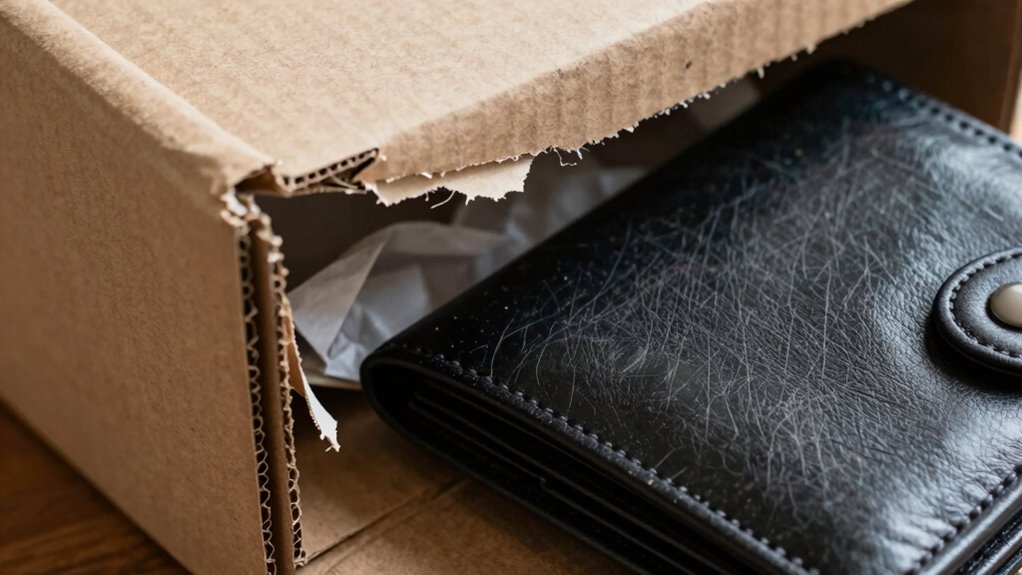

To tell shipping damage from cosmetic wear in just 60 seconds, start by inspecting the packaging—it should be sturdy and intact. Look for cracks, broken parts, or misaligned pieces on the item itself, which indicate shipping damage. Cosmetic wear appears as scratches, scuffs, or surface dents, with packaging often unblemished. Recognizing these signs helps you identify the cause quickly. Keep discovering more tips to make confident assessments and handle issues effectively.

Get comfort and recovery gear delivered free with Prime
- Fast, free delivery on millions of items
- Prime Video, Amazon Music and more included
- Member-only deals all year
Key Takeaways
- Check for packaging damage like crushed boxes or tears, indicating possible transit-related issues.
- Look for structural cracks or broken parts on the item, suggesting shipping damage.
- Identify superficial scratches, scuffs, or surface dents that are cosmetic and do not affect functionality.
- Review your store’s return policy and document damage with clear photos for accurate assessment.
- Inspect immediately upon receipt to differentiate between shipping damage and cosmetic wear.
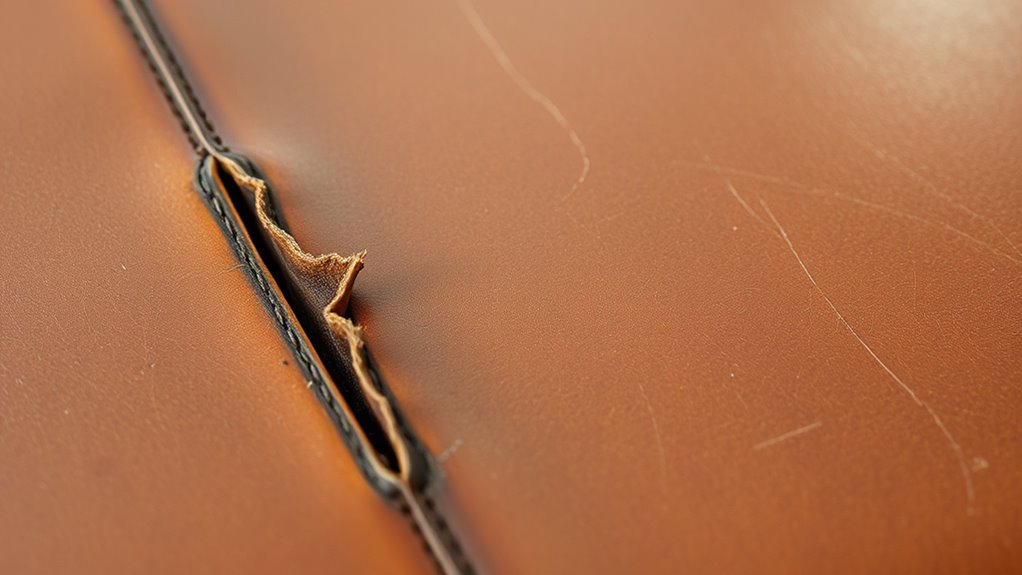
When you receive a package, it can be challenging to tell whether any issues stem from shipping damage or just cosmetic wear. The first thing to contemplate is the packaging materials used during transit. Proper packaging usually involves sturdy boxes, bubble wrap, foam inserts, or other cushioning materials designed to protect the item. If these materials are intact and appear well-sealed, yet the item shows signs of damage, it’s more likely to be shipping-related. Conversely, if the packaging looks crushed, torn, or poorly sealed, it suggests that the item might have been mishandled during shipping, increasing the chance of damage. Inspect the outer packaging carefully; a damaged box often indicates potential internal issues, even if the item itself looks unaffected at first glance.
Inspect packaging for damage; well-sealed materials suggest minimal shipping issues, while crushed boxes indicate mishandling.
Next, examine the item closely for signs of cosmetic wear, such as scratches, scuffs, or small surface dents. Cosmetic wear is usually superficial, often caused by handling or minor contact during manufacturing or storage. These imperfections tend to be less severe and are primarily aesthetic, not structural. Shipping damage, on the other hand, can cause more significant issues like cracked parts, broken components, or misaligned pieces. If you notice dents or cracks, particularly in fragile items like glass or electronics, it’s a strong indicator of shipping damage.
Your next step should be to review the return policies of the seller or retailer. Many reputable stores have clear guidelines for handling shipping damage versus cosmetic issues. Return policies often specify what qualifies for a return or exchange, and the timeframe for reporting problems. If you suspect shipping damage, act quickly—most policies require you to notify the seller within a certain period, usually 48 to 72 hours. Take clear photos of both the packaging and the item, documenting any damage or irregularities. This visual evidence can be essential when making a claim or requesting a refund.
Understanding the distinction between shipping damage and cosmetic wear helps you navigate returns more effectively. If the damage appears to be caused during transit, and your documentation supports this, most retailers will accept returns or exchanges based on their policies. Cosmetic wear, however, often falls under normal use or handling and may not be covered unless explicitly stated in the return policy. Being diligent about inspecting your items immediately upon arrival and knowing the return policies will save you time and frustration if an issue arises. Ultimately, paying close attention to packaging materials and the condition of your item, combined with a clear understanding of return policies, empowers you to resolve issues quickly and confidently. Additionally, understanding how proper packaging plays a crucial role in preventing damage during transit can help you make informed decisions when shipping or receiving valuable items.
shipping damage inspection tools
As an affiliate, we earn on qualifying purchases.
As an affiliate, we earn on qualifying purchases.
Frequently Asked Questions
Can Cosmetic Wear Affect Item Functionality?
Cosmetic wear can affect item functionality if surface scratches or signs of material fatigue reach critical points, weakening the structure. For example, deep scratches might compromise a device’s waterproofing, or material fatigue could cause parts to break or malfunction over time. You should inspect for cracks or signs that wear has penetrated beyond surface level, as these issues can lead to reduced performance or safety concerns.
Are Certain Products More Prone to Shipping Damage?
Think of your products as delicate glass sculptures; some are inherently more fragile. Items with high product fragility, like electronics or glassware, are more prone to shipping damage. Proper packaging materials act as armor, shielding them during transit. You should pay special attention to these products, ensuring they’re well padded. This reduces the risk of shipping damage and keeps your items safe, regardless of their inherent vulnerability.
How Does Packaging Influence Damage During Transit?
Packaging plays a vital role in preventing damage during transit. You should make certain that the product is surrounded by proper protective packaging and ample transit cushioning, which absorbs shocks and impacts. Using sturdy boxes, bubble wrap, or foam inserts helps keep items secure and minimizes movement. When packaging is well-designed with these elements, it considerably reduces the risk of shipping damage, guaranteeing your items arrive intact and undamaged.
What Are Common Signs of Hidden Shipping Damage?
Look for signs like subtle dents, uneven surfaces, or unusual odors that hint at hidden damage. Use inspection techniques such as gently feeling for soft spots, checking behind panels, and examining seams for misalignment. These signs often reveal hidden damage that isn’t immediately visible. You’re more likely to catch issues early when you focus on these clues, ensuring you address potential problems before they worsen.
Can Cosmetic Wear Decrease an Item’s Resale Value?
Cosmetic wear can definitely decrease an item’s resale value. When you notice scratches, scuffs, or fading, it impacts the resale impact because buyers prefer items in near-mint condition. Cosmetic depreciation makes the item less attractive, lowering its perceived value. You should be honest about these signs when selling, as they influence offers and overall resale potential, especially if the wear is extensive or obvious.
As an affiliate, we earn on qualifying purchases.
Conclusion
Now that you know the difference, you’ll spot shipping damage or cosmetic wear faster than lightning strikes. Remember, shipping damage often looks like a battle scar from a fierce fight, while cosmetic wear is more like gentle aging. Don’t let minor scratches fool you into thinking your item’s ruined—it’s a tiny mark in the grand scheme. With this knowledge, you’re practically a superhero in the world of package inspections. Stay sharp, and never be fooled again!
As an affiliate, we earn on qualifying purchases.
fragile item protection supplies
As an affiliate, we earn on qualifying purchases.
As an affiliate, we earn on qualifying purchases.
Columbus Day / Indigenous Peoples' Day Picks
long weekend sales
As an affiliate, we earn on qualifying purchases.