Blue light glasses are designed to reduce eye strain and improve sleep, but evidence on their effectiveness is mixed. They filter blue light from screens, which may help if you experience eye fatigue, headaches, or trouble sleeping after long screen time. However, they don’t prevent all eye issues or sleep problems. To decide if they’re worth trying, you should consider your symptoms and explore other proven strategies—you’ll find more details below.
Key Takeaways
- Blue light glasses filter specific blue wavelengths to reduce digital eye strain, but scientific evidence on their overall health benefits is mixed.
- They may help alleviate symptoms like eye fatigue and headaches, especially for people with extensive screen time.
- Blue light glasses do not definitively prevent long-term eye damage or improve sleep quality according to current research.
- Combining blue light glasses with good screen habits, such as taking breaks and adjusting device settings, enhances eye comfort.
- Consult an eye care professional to determine if blue light glasses are appropriate for your needs, as benefits vary individually.
Top picks for "blue light glass"
Open Amazon search results for this keyword.
As an affiliate, we earn on qualifying purchases.
What Are Blue Light Glasses and How Do They Work

Blue light glasses are specially designed eyewear that filter or block a portion of blue light emitted from screens like computers, smartphones, and tablets. When you wear these glasses, they help reduce the amount of blue light reaching your eyes, which can minimize digital eye strain. The lenses often have a coating or tint that absorbs or reflects blue light. This doesn’t mean they block all blue light, just a specific range that’s most associated with digital screens. By doing so, blue light glasses can help you feel more comfortable during prolonged screen use. They’re lightweight and typically look like regular glasses, making them easy to wear daily. Ultimately, they’re crafted to protect your eyes from some of the potential discomfort caused by digital devices.
The Science Behind Blue Light and Eye Health
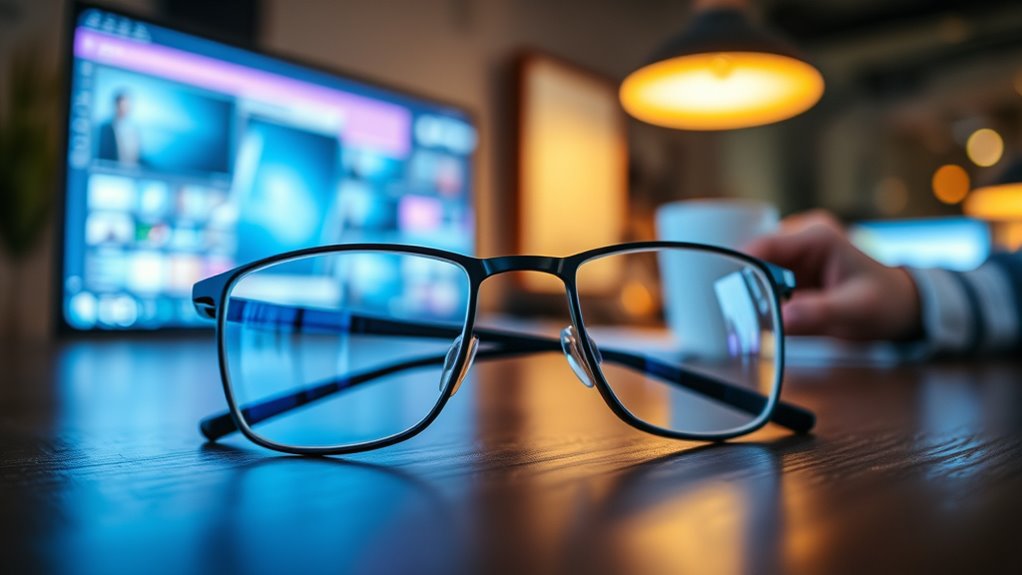
Blue light can harm your retina over time and disrupt your sleep by interfering with melatonin production. It also influences your circadian rhythm, making it harder to fall asleep and wake up refreshed. Understanding these effects helps you see why protecting your eyes matters.
Blue Light’s Effect on Retina
While the exact impact of blue light on your retina remains a subject of ongoing research, evidence suggests that prolonged exposure can pose risks to your eye health. Blue light penetrates deep into your eye, reaching the retina, where it can generate oxidative stress. This stress may damage retinal cells over time, potentially increasing the risk of age-related macular degeneration (AMD). Although current studies don’t definitively prove blue light causes serious retinal damage, some laboratory and animal research indicates that excessive exposure could accelerate cellular aging in your eyes. It’s wise to limit your exposure, especially during long screen sessions, and consider protective measures like blue light filters or glasses. Taking these steps may help preserve your retinal health in the long run.
Melatonin and Sleep Disruption
Exposure to blue light in the evening can considerably disrupt your body’s production of melatonin, the hormone that signals your brain that it’s time to sleep. When you’re exposed to blue light, especially from screens, your pineal gland receives a message that it’s still daytime. This suppresses melatonin release, making it harder for you to fall asleep and stay asleep. Reduced melatonin levels can lead to shorter sleep duration and lower sleep quality. Over time, this disruption may affect your overall health, including immune function and cognitive performance. To minimize these effects, consider limiting screen time before bed or using blue light filters. Understanding how blue light impacts melatonin helps you make better choices to improve your sleep hygiene.
Circadian Rhythm Influence
Blue light plays a significant role in regulating your circadian rhythm, the internal clock that controls your sleep-wake cycle. Exposure to blue light, especially during evening hours, can delay your body’s natural signals to feel sleepy, making it harder to fall asleep. This happens because blue light influences the production of melatonin, the hormone that signals your body it’s time to rest. When your circadian rhythm is disrupted, you may experience poorer sleep quality and increased fatigue. Conversely, exposure to natural blue light during the day helps keep your internal clock aligned, promoting alertness and healthy sleep patterns. Understanding this influence underscores the importance of managing blue light exposure, especially in the evening, to support your overall eye health and sleep hygiene.
Common Claims Made by Blue Light Glasses Manufacturers
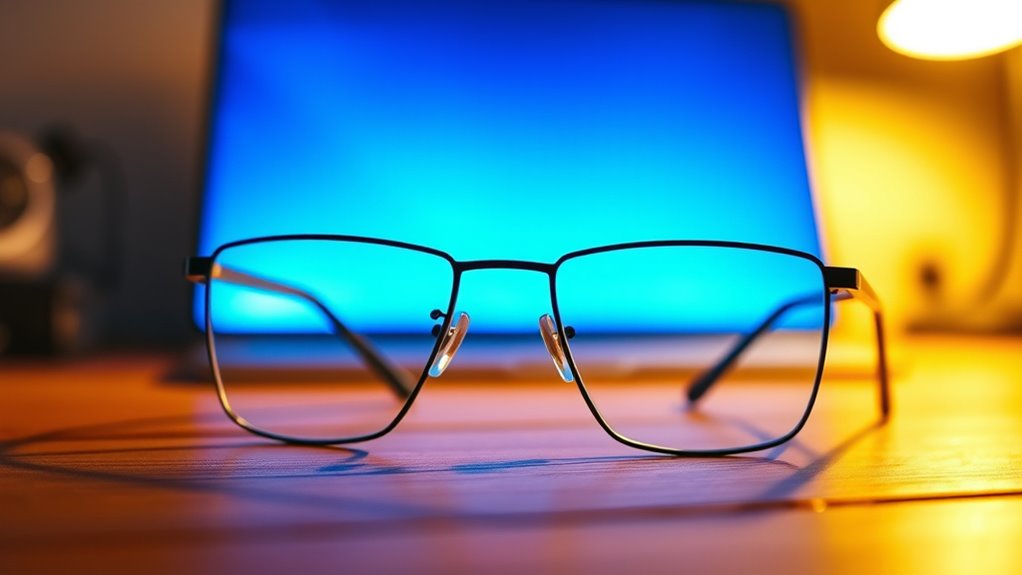
Manufacturers of blue light glasses often claim that their products can reduce eye strain, improve sleep quality, and protect your eyes from digital screens. They suggest that blocking blue light minimizes discomfort during long screen time and helps regulate your sleep cycle. While these claims sound promising, it’s important to understand what is being promoted. Some common claims include:
| Claim | Explanation | Evidence Level |
|---|---|---|
| Reduces eye strain | Less fatigue after prolonged screen use | Anecdotal, limited |
| Improves sleep | Better sleep quality by blocking blue light | Theoretical, limited |
| Protects eye health | Prevents long-term eye damage | Not conclusively proven |
Always consider scientific evidence before fully trusting these claims.
Scientific Evidence Supporting the Use of Blue Light Glasses
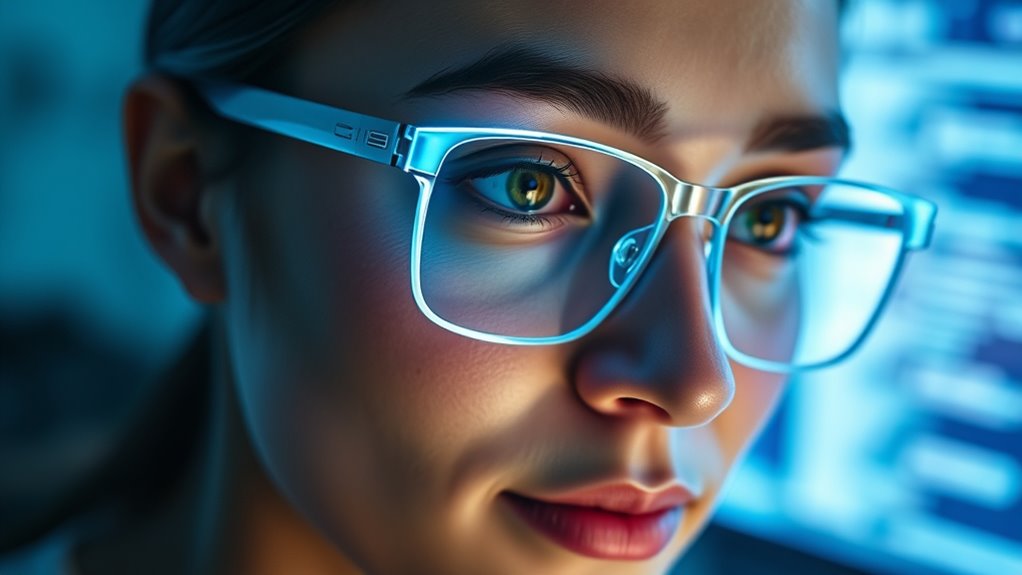
While many claims about blue light glasses sound promising, scientific research offers a more measured perspective. Current studies have produced mixed results regarding their effectiveness. Some experiments suggest that blue light glasses can reduce eye strain and improve sleep quality, especially in individuals who use screens extensively. However, other research finds little to no significant difference compared to placebo or regular glasses. Many studies are limited by small sample sizes or subjective measures, making it hard to draw definitive conclusions. Overall, the scientific community agrees that more rigorous, large-scale research is needed before confirming the benefits of blue light glasses. As it stands, the evidence is inconclusive, and individual experiences may vary widely.
Potential Benefits of Wearing Blue Light Glasses
Wearing blue light glasses may offer several potential benefits, especially for people who spend long hours in front of screens. They can help reduce eye strain by filtering out high-energy blue light, which often causes discomfort after extended screen time. This may lead to fewer headaches and less eye fatigue, improving your overall visual comfort. Some users report better sleep, as blue light exposure before bed can interfere with melatonin production. By blocking or reducing blue light, these glasses might support healthier sleep patterns. Additionally, wearing them could help maintain better eye health over time by minimizing the strain on your eye muscles. While individual results vary, many find that incorporating blue light glasses into their daily routine enhances comfort and overall well-being during prolonged screen use.
Limitations and Gaps in Current Research
Although many studies suggest potential benefits of blue light glasses, the current research has notable limitations that hinder definitive conclusions. First, many studies have small sample sizes, making it hard to generalize findings. Second, there’s a lack of consistent methodology, which leads to mixed results across different research. Third, most studies focus on short-term effects, leaving long-term impacts unclear. Additionally, individual differences, like age and eye health, aren’t always accounted for, which could influence outcomes. Without larger, standardized, long-term research, it’s difficult to determine if blue light glasses truly provide consistent benefits. As a result, skepticism remains, and you should approach claims with cautious optimism until more extensive evidence emerges.
Who Can Really Benefit From Blue Light Glasses
If you spend long hours in front of screens, blue light glasses might reduce eye strain and improve comfort. People with high screen time dependency often notice less fatigue and headaches. However,, it’s important to contemplate whether these glasses are the right solution for your specific needs.
Screen Time Dependency
People who spend significant hours daily in front of screens may find blue light glasses particularly beneficial. If your job or hobbies keep you glued to computers, tablets, or smartphones, these glasses can help. They’re especially useful if you:
- Work long shifts in front of a screen without breaks
- Use devices late into the evening, disrupting your sleep schedule
- Feel fatigued or notice difficulty focusing after extended screen time
Eye Strain Relief
Anyone who spends hours staring at screens daily can benefit from blue light glasses, especially if you notice eye discomfort or fatigue after extended use. If your eyes feel tired, dry, or strained after working on a computer or scrolling your phone, these glasses might help. They can reduce digital eye strain by blocking or filtering blue light, easing discomfort and improving focus. Not everyone needs them, but those with frequent screen exposure often see relief. Here’s a quick look at who benefits most:
| Group | Symptoms | Benefit |
|---|---|---|
| Office workers | Eye fatigue, headaches | Reduce strain |
| Gamers | Dry eyes, blurred vision | Minimize discomfort |
| Remote workers | Sleep issues, eye irritation | Improve sleep, comfort |
| Students | Concentration difficulties | Enhance focus |
| Creative professionals | Visual fatigue, headaches | Less eye strain |
Alternative Strategies to Reduce Digital Eye Strain
To effectively reduce digital eye strain, you can adopt several practical strategies alongside using blue light glasses. First, follow the 20-20-20 rule: every 20 minutes, look at something 20 feet away for 20 seconds. Second, adjust your screen settings by increasing text size and lowering brightness to match ambient light. Third, create a comfortable workspace by positioning your screen about arm’s length away and slightly below eye level. Additionally, take regular breaks from screens to give your eyes a rest, and consider blinking more often to keep your eyes moist. These habits help lessen eye fatigue and prevent discomfort, making your digital experience more comfortable and sustainable. Combining these strategies with blue light glasses can considerably improve your eye health during prolonged screen time.
Making an Informed Decision: Are Blue Light Glasses Worth It?
While adopting strategies like the 20-20-20 rule and adjusting your screen settings can considerably reduce digital eye strain, many wonder if investing in blue light glasses offers additional benefits. The truth is, scientific evidence on their effectiveness is mixed. If you spend long hours in front of screens, these glasses might help reduce glare and improve comfort for some people. However, they aren’t a magic fix for eye health issues or sleep problems. Consider your specific needs and consult an eye care professional before making a purchase. If you notice eye discomfort or sleep disruptions, trying them could be worthwhile. But if you’re already implementing good screen habits, blue light glasses may not provide significant extra benefits. Making an informed decision depends on your personal experience and lifestyle.
Frequently Asked Questions
Do Blue Light Glasses Work for All Types of Screen Use?
Blue light glasses can help reduce eye strain for most screen users, but they might not work equally for everyone. If you spend hours on computers, smartphones, or tablets, you may notice less eye fatigue and improved sleep quality. However, their effectiveness varies based on individual sensitivity and screen habits. Try them out to see if they provide relief, but remember they’re not a cure-all for every eye-related issue.
Can Blue Light Glasses Improve Sleep Quality?
If you wear blue light glasses in the evening, you might notice better sleep. For example, a person who used them for two weeks found falling asleep easier and felt more rested. Blue light can interfere with melatonin production, which controls sleep. By blocking this light, your body can produce melatonin normally, helping you fall asleep faster and enjoy deeper, more restorative sleep.
Are There Any Side Effects From Wearing Blue Light Glasses?
You might experience minor side effects from wearing blue light glasses, like eye strain or headaches, especially if they don’t fit properly or you wear them for extended periods. Some people notice dryness or irritation in their eyes. However, most side effects are mild and temporary. If you experience discomfort, try adjusting the fit or taking breaks. Consult an eye care professional if symptoms persist or worsen.
How Long Should I Wear Blue Light Glasses Daily?
You should wear blue light glasses for about 2 to 4 hours daily, especially if you’re exposed to screens frequently. But don’t overdo it—wearing them too long might cause eye strain or discomfort. Pay attention to how your eyes feel; if you notice relief, you’re on the right track. Still, it’s wise to take regular breaks and consult an eye care professional for personalized advice.
Are Prescription Blue Light Glasses More Effective Than Non-Prescription Ones?
Prescription blue light glasses are generally more effective for your specific needs because they combine your eye prescription with blue light filtering. If you require vision correction, these glasses guarantee clear sight and reduce eye strain simultaneously. Non-prescription glasses may block blue light but won’t address your prescription issues. So, if you need vision correction, opting for prescription blue light glasses provides a more thorough solution.
Conclusion
Ultimately, whether you choose blue light glasses or not, consider your eye health, your habits, and your needs. Weigh the claims against the evidence, and explore alternative strategies like taking breaks and adjusting screen settings. Stay informed, stay proactive, and prioritize your comfort and vision. Because protecting your eyes isn’t just about buying glasses, it’s about making mindful choices that support your well-being. Your eyes deserve the best, so choose wisely, and see clearly ahead.