
TL;DR
Google Arts & Culture has launched a new virtual exhibit dedicated to tango, providing users with interactive content, historical insights, and multimedia displays. This initiative aims to celebrate and educate about the cultural significance of tango worldwide.
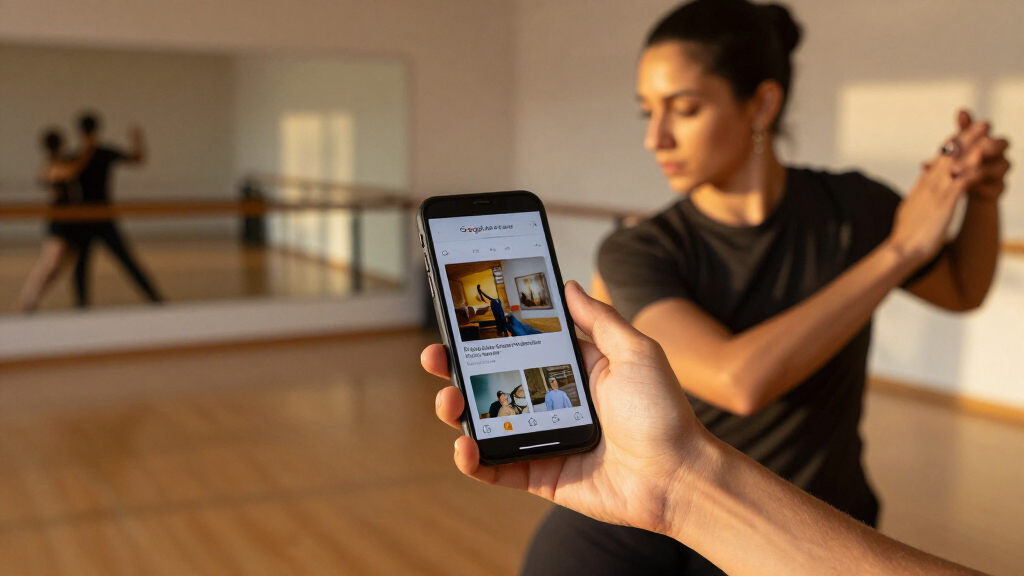
Google Arts & Culture has launched a comprehensive virtual exhibit dedicated to tango, offering an immersive experience that explores the dance’s history, music, and cultural impact. This initiative aims to make the art form accessible to a global audience and promote awareness of tango’s cultural roots.

Get comfort and recovery gear delivered free with Prime
- Fast, free delivery on millions of items
- Prime Video, Amazon Music and more included
- Member-only deals all year
Google’s initiative is part of its broader effort to digitize and promote world cultural heritage through virtual experiences. The platform is accessible via web browsers and mobile devices, enabling users worldwide to engage with tango content without physical travel. The exhibit also features interviews with renowned dancers and musicians, providing insights into the art form’s enduring appeal.
Why the Tango Digital Exhibit Matters for Cultural Preservation
This virtual exhibit supports the preservation and dissemination of tango’s cultural heritage, especially in an era where physical access to historic sites and performances may be limited. By digitizing tango’s history and art, Google Arts & Culture helps educate a global audience, fostering appreciation and understanding of this dance’s social and artistic importance. It also offers a valuable resource for students, educators, and dance enthusiasts seeking to explore tango’s roots and evolution from anywhere in the world.
Popular right now

TCL 75-Inch Class 4-Series 4K UHD HDR Smart Google TV (75S446, 2022)

Dyson V15 Detect Cordless Stick Vacuum

Dyson Cyclone V10 Origin Cordless Vacuum
As an affiliate, we earn on qualifying purchases.
Tango’s Cultural Roots and Digital Expansion
Tango originated in the late 19th century in the Rio de la Plata region, encompassing parts of Argentina and Uruguay. It emerged among working-class communities and quickly gained popularity across Latin America and Europe. Over the decades, tango has evolved from a local social dance to an internationally recognized art form, with a rich history reflected in music, dance, and visual arts. Digital initiatives like Google’s virtual exhibit are part of a broader movement to preserve and promote cultural expressions through online platforms, especially amid the growing importance of virtual engagement in cultural education.
“This digital exhibit is a vital step in making tango accessible to people worldwide, especially younger generations who may not have the chance to visit physical museums.”
— María Fernández, curator at the Buenos Aires Museum of Tango
Unclear Aspects of the Exhibit’s Reach and Engagement
It is not yet confirmed how widely the exhibit will be promoted or how many users will engage with the content over time. Details about potential updates or expansions to the exhibit are still emerging, and the long-term impact on tango’s cultural preservation remains to be assessed.Next Steps for Expanding Digital Tango Resources
Google plans to monitor user engagement and gather feedback to improve the platform. There is potential for future collaborations with dance schools, cultural institutions, and artists to add new content and interactive features. Additionally, the company may expand similar initiatives to other cultural dance forms or art styles, further integrating digital technology into cultural preservation efforts.
Key Questions
How can I access the tango exhibit on Google Arts & Culture?
The exhibit is accessible free of charge via the Google Arts & Culture website and mobile app. Users can explore interactive content, videos, and images related to tango from any device with internet access.
Does the exhibit include live dance performances?
No, the exhibit features recorded videos, photographs, and multimedia content. It does not currently include live performances but offers tutorials and interviews with dancers and musicians.
Will there be updates or new content added to the exhibit?
Google has indicated plans to update the exhibit periodically, potentially adding new content, interviews, and interactive features based on user feedback and collaborations with cultural institutions.
Can educators use this exhibit for teaching purposes?
Yes, the exhibit is designed as an educational resource, providing a comprehensive overview of tango’s history and art, suitable for classroom use and dance education programs.
Source: rss