TL;DR

Get comfort and recovery gear delivered free with Prime
- Fast, free delivery on millions of items
- Prime Video, Amazon Music and more included
- Member-only deals all year
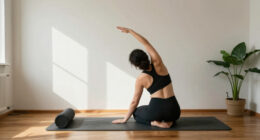
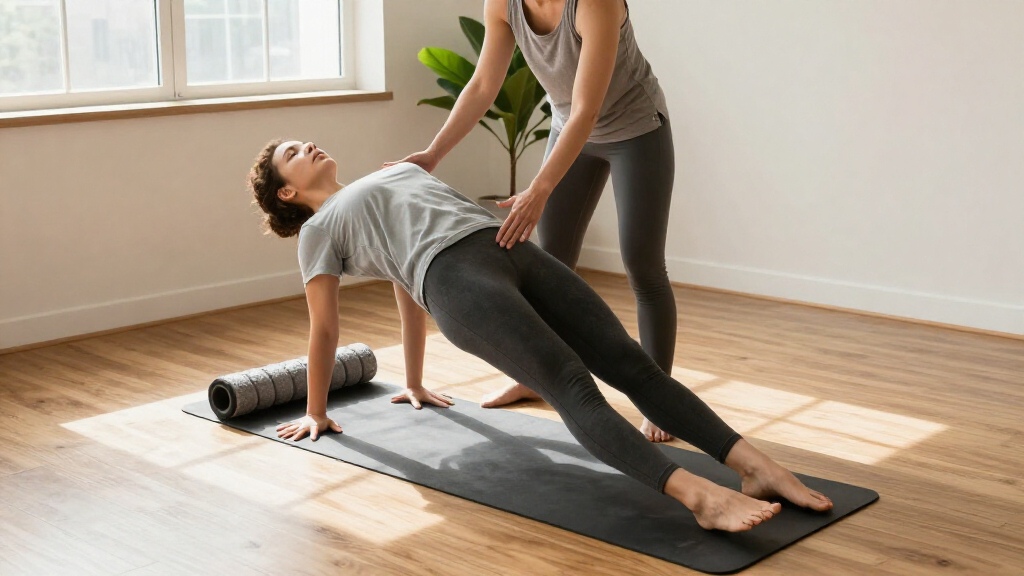
Physiotherapist and Pilates instructor Helen O’Leary shared four standing Pilates moves for people who struggle with floor exercises. The routine includes a standing book opener, scooter, march and hip abduction, with suggested repetitions and options for support.
Physiotherapist Helen O’Leary, clinical director at Complete Pilates, has outlined four standing Pilates moves for people who find it difficult to exercise on the floor. In a Fit&Well report, she recommends a standing book opener, scooter, march and hip abduction, with guidance on repetitions and using a nearby surface for support.
The moves are presented as a way to do Pilates without getting down onto a mat or hands and knees. O’Leary says upright exercises can challenge the body differently from floor-based work, particularly through balance and core stability. She also says standing practice can encourage mobility and better posture; these are her stated benefits, not outcomes measured in the report.
The sequence begins with the standing book opener: stand with feet hip-width apart, place hands behind the head and rotate the rib cage and head to each side. The report suggests three sets of four to five repetitions per side. O’Leary advises keeping the pelvis facing forward to make the turn feel tighter.
For the scooter, stand with hands lightly on a stable surface, hinge forward at the hips, shift weight onto one leg and slide the other foot backward and forward while its toes remain on the floor. The suggested amount is three rounds of 10 to 15 repetitions on each side. A sock or towel under the moving foot may help it slide on a wooden floor, according to the instructions.
The other exercises are a standing march and standing hip abduction. The march involves lifting one knee while balancing on the other leg; the report recommends three rounds of 10 to 15 repetitions per side and suggests holding a table, chair back or countertop. For hip abduction, lift and straighten one leg, move it out to the side, then lower it when balance becomes difficult. The suggested amount is up to 10 repetitions per side.
A Floor-Free Option for Pilates
The routine offers a practical alternative for people who have difficulty getting onto or up from the floor, or who prefer to exercise while standing. Its instructions include built-in balance support, such as holding a stable surface, and a range-of-motion adjustment: the hip-abduction movement can be kept small, particularly when first trying it.
The exercises are not presented as a complete fitness plan or as a treatment for any condition. The report gives a short set of movements and suggested repetitions, but does not compare their effects with mat Pilates or provide research showing how much they change strength, mobility or posture. Readers can use the instructions as a starting point while adapting them to their ability and comfort.
Popular right now

KitchenAid Artisan Series 5-Quart Tilt-Head Stand Mixer, Dried Rose (KSM150PS)

Shark Navigator Robot Vacuum with 30-Day Self-Emptying Base, White (AV2110S)

Dyson Ball Animal 3 Corded Upright Vacuum
As an affiliate, we earn on qualifying purchases.
How the Four Moves Work
Pilates is commonly associated with mat exercises and reformer equipment, but the Fit&Well report focuses on movements that can be done upright at home. The four exercises target different actions: trunk rotation in the book opener, controlled leg movement in the scooter, lifting the knee during the march, and moving the leg sideways in hip abduction.
O’Leary describes standing Pilates as a way to challenge the body differently from floor-based movements. For the book opener, her specific cue is to keep the pelvis facing forward while rotating the upper body. For the march, she says the exercise works the hips and lower body while asking the core to help maintain an upright position and balance. These descriptions reflect the instructor’s guidance in the report.
The recommendations are specific to this four-move routine: most exercises call for three rounds, while hip abduction is described as up to 10 repetitions on each side. The report does not provide a total workout duration, warm-up, weekly schedule or progression plan.
“Standing Pilates exercises might sound as though they’re easy, but they test you in many ways that floor-based moves won’t.”
— Helen O’Leary, physiotherapist and clinical director at Complete Pilates
Limits of the Published Guidance
The report does not say when the article was published, nor does it provide study findings or data on the routine’s effectiveness. It also does not explain who should avoid particular movements, give modifications for specific injuries or conditions, or establish whether the exercises are suitable for every person who struggles with floor-based exercise.
Readers’ balance, mobility and comfort can differ. The instructions do suggest using support for the scooter and march, and lowering the leg when balance becomes difficult during hip abduction. The source does not provide further safety screening or individualized advice.
Adapting the Routine Safely
The source does not announce a follow-up program or a planned next step. Anyone trying the movements can follow the report’s basic guidance: use a stable support when needed, keep the scooter’s toes in contact with the floor, and make the hip-abduction range smaller if balance is limited. The instructions give repetitions as suggestions rather than a required target.
People with pain, balance concerns, an injury or a health condition may want to ask a qualified health professional whether these movements suit them before starting. The report does not offer individualized assessment, and it remains unclear whether O’Leary or Fit&Well plans to publish additional modifications or a longer standing workout.
Key Questions
Which standing Pilates moves did Helen O’Leary recommend?
She recommended the standing book opener, scooter, march and standing hip abduction in the Fit&Well report.
Can the exercises be done without equipment?
The listed movements do not require Pilates equipment. A stable table, chair back or countertop can be used for support during the scooter or march. The scooter instructions also suggest a sock or towel under the moving foot on a wooden floor.
How many repetitions does the report suggest?
The report suggests three sets of four to five book openers per side, three rounds of 10 to 15 scooter repetitions and marches per side, and up to 10 hip abductions per side.
Are these moves suitable for everyone who finds floor exercise difficult?
The report presents them for people who struggle with floor-based exercise, but it does not assess individual needs or say that every move is suitable for everyone. People with pain, balance concerns, injuries or health conditions can seek advice from a qualified professional before trying them.
Source: fitandwell.com