TL;DR

Get comfort and recovery gear delivered free — and shop member deals
- Fast, free delivery on millions of items
- Access to Prime Big Deal Days deals on October 6–7
- Prime Video, Amazon Music and more included
An ergonomic office chair supports your spine’s natural curve, promotes movement, and reduces strain. Picking the right one involves understanding adjustable features, recent innovations, and your personal needs.
Imagine sitting in a chair that feels like it was made just for you—supporting your back, cradling your hips, and adjusting smoothly as you shift. That’s the promise of a truly ergonomic office chair. But with so many options swirling around, how do you pick the right one? The secret isn’t just about price or brand; it’s about how well a chair aligns with your body and work habits.
In this guide, you’ll learn what features make an office chair supportive, explore the cutting-edge innovations shaping the market, and get practical tips on choosing and adjusting your seat. Whether you’re working from home or in a busy office, a good ergonomic chair can turn hours of sitting into a more comfortable, healthier experience.
A truly ergonomic chair offers extensive adjustability—height, lumbar, armrests, tilt—to fit your body perfectly.
Latest innovations include smart sensors, eco-friendly materials, and active support features that encourage movement and comfort.
Investing in a good ergonomic chair can cut back pain and boost productivity—it’s a health investment, not a luxury.
Always test a chair for at least 10 minutes before buying, and tailor adjustments to your body and workspace.
Regular maintenance, like tightening screws and cleaning, extends your chair’s lifespan and keeps support optimal.
What Makes an Office Chair Truly Ergonomic?
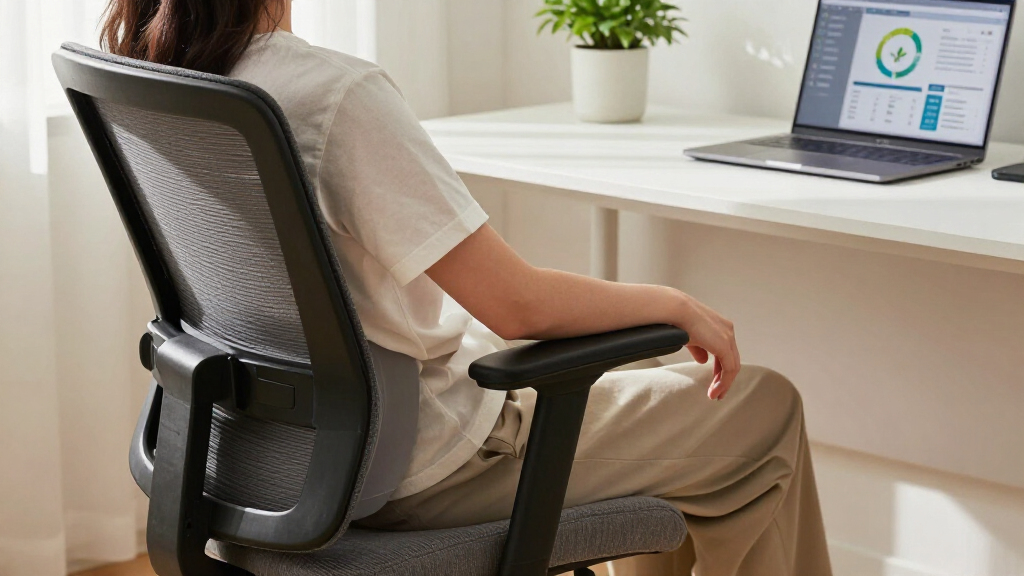
Think of an ergonomic chair as a tailored suit for your body. It supports your spine’s natural shape, reduces pressure points, and encourages movement. The core elements are adjustability, lumbar support, seat comfort, and mobility.
Adjustability is king. Your chair should let you tweak height, armrests, lumbar support, and tilt. For example, if your feet aren’t flat on the floor or your knees are pressed against the edge, you’ll feel discomfort fast. A chair that adapts to your body prevents long-term aches and stiffness. It’s essential because no two bodies are identical, and even small misalignments can cause pain or fatigue over time.
Lumbar support is like a gentle hand guiding your lower back. Look for a chair with adjustable lumbar height and depth—so you can match its curve to yours. Proper lumbar support maintains the natural inward curve of your lower spine, preventing slouching and reducing strain. Seat comfort depends on padding density, breathable fabric, and the right shape to cradle your thighs without cutting off circulation. An uncomfortable seat can lead to pressure points and numbness, forcing you to shift constantly, which defeats the purpose of ergonomic design.
Mobility features—like a smooth-swiveling base and quality casters—help you move easily without straining. Instead of twisting awkwardly, you simply turn, reach, and shift, keeping your body in a healthier, more natural posture. These features are crucial for reducing repetitive strain injuries and promoting dynamic sitting, which benefits circulation and reduces stiffness during long work sessions.
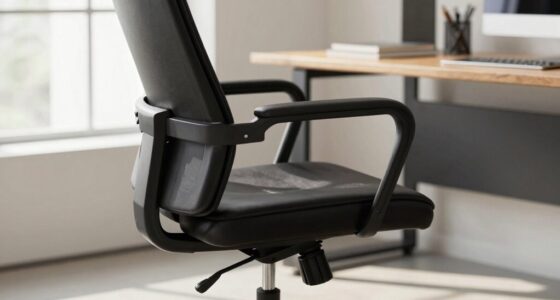
ergonomic office chair with adjustable lumbar support
As an affiliate, we earn on qualifying purchases.
As an affiliate, we earn on qualifying purchases.
The Latest Trends in Ergonomic Office Chairs You Need to Know
Ergonomic chairs are evolving fast. Today’s top models blend tech, sustainability, and active support to keep your body happy and your workspace eco-friendly.
Smart chairs are the new wave. They include sensors that track your posture, alert you when you slouch, and connect to apps that remind you to move. Imagine a chair that adjusts itself or subtly nudges you to maintain good posture, reducing the risk of discomfort or injury caused by prolonged poor positioning. These innovations are significant because they shift the responsibility from passive support to active engagement, encouraging healthier habits.
Sustainability is another game-changer. More brands now use recyclable materials, reducing waste and environmental impact. This trend isn’t just about being eco-friendly; it often correlates with higher-quality manufacturing and longer-lasting products, which means better value over time. And the push for inclusive design means chairs now cater to a wider range of body types, heights, and needs, making ergonomic benefits accessible to more people.
Active sitting features—like wobble or balance elements—encourage micro-movements, which keep your circulation flowing and prevent stiffness. Think of it as a gentle, constant massage for your muscles with every shift. These features can improve core strength and posture over time, but they may require an adjustment period for users unfamiliar with dynamic seating.
Finally, modular designs let you swap parts and customize your setup, making your ergonomic investment last longer and adapt as your needs change. This flexibility is important because ergonomic needs evolve with time, health status, and workspace modifications, and modularity ensures your chair remains supportive throughout these changes.
best ergonomic desk chair for back pain
As an affiliate, we earn on qualifying purchases.
As an affiliate, we earn on qualifying purchases.
The Surprising Data That Shows Why Good Office Chairs Matter
Did you know that poor seating can cause up to 54% of chronic back pain cases? That’s according to recent ergonomic studies. Sitting in a non-supportive chair can strain your lumbar region, leading to discomfort and even long-term issues. The implications are significant because chronic back pain can reduce productivity, increase absenteeism, and diminish overall quality of life.
On the flip side, investing in a well-designed ergonomic chair can boost your productivity and well-being. Studies show workers with supportive seating report less fatigue and more focus, especially during long stretches at the desk. This isn’t just about comfort; it’s about reducing the physical toll of prolonged sitting, which is linked to other health issues like cardiovascular problems and metabolic syndrome.
It’s not just about comfort. Proper ergonomic support helps maintain your natural spinal curve, reducing muscle strain and improving circulation. When your body is correctly aligned, it minimizes compensatory movements that can cause pain or injury. The right chair isn’t a luxury—it’s a health investment that pays off in fewer sick days, better focus, and overall improved well-being. Over time, the cumulative benefits can be substantial, making ergonomic seating a strategic choice for both individual health and organizational productivity.
mesh ergonomic office chair with headrest
As an affiliate, we earn on qualifying purchases.
As an affiliate, we earn on qualifying purchases.
How to Pick the Perfect Ergonomic Office Chair in 3 Easy Steps
- Assess Your Body and Space: Measure your height, arm length, and leg length. Consider your workspace dimensions. For example, a 5’3” person needs a different seat height than someone who’s 6’2”. Recognizing these differences helps you choose a chair that fits properly, preventing postural compensations that can cause discomfort or injury.
- Prioritize Adjustability and Support: Look for chairs with adjustable lumbar support, seat height, and armrests. Test the tilt mechanism and ensure it moves smoothly. Think of it as tuning a musical instrument—every part should be customizable for harmony. Proper adjustment ensures your body maintains correct alignment, reducing fatigue and long-term strain.
- Test Before You Buy: Sit in the chair for at least 10 minutes. Check if your feet rest flat, your back is supported, and your arms relax. If possible, try different models and compare how they feel during real work tasks. This practical trial helps identify subtle issues that might not be obvious initially but can impact comfort and support during extended use.
height adjustable ergonomic office chair
As an affiliate, we earn on qualifying purchases.
As an affiliate, we earn on qualifying purchases.
Compare the Best Types of Ergonomic Chairs Side by Side
| Feature | Mesh Chairs | Foam Cushioned Chairs | Active Sitting Chairs |
|---|---|---|---|
| Breathability | Excellent, air flows through | Depends on fabric, often less breathable | |
| Support | Adjustable lumbar support, flexible mesh | Soft padding, may lack deep support | |
| Mobility | High, swivels and rolls easily | Varies, usually stable but some tilt | |
| Price Range | $150–$600 | $200–$700 | $300–$900 |
Choosing between these depends on your priorities. Mesh chairs excel in breathability and flexibility, providing good airflow and adaptability for dynamic sitting. Foam cushions offer plush comfort but can trap heat, potentially leading to discomfort during long use. Active sitting models add movement features that promote core engagement and circulation but come at a higher cost. Understanding these tradeoffs helps you select a chair that balances support, comfort, and budget, ensuring sustained ergonomic benefits tailored to your working style.
Quick Tips for Maintaining and Adjusting Your Ergonomic Chair
- Check and tighten screws every few months to keep parts sturdy. Loose components can compromise stability and support, leading to uneven wear and potential safety hazards. Regular maintenance prolongs the chair’s lifespan and ensures consistent ergonomic support.
- Adjust lumbar support and armrests as your posture or body changes. As your body adapts or if you experience discomfort, fine-tuning these features prevents strain and maintains optimal alignment. Small adjustments can significantly improve comfort and reduce risk of injury.
- Clean fabric or mesh regularly with a vacuum or mild soap solution. Dirt and dust can degrade materials and affect breathability, leading to less effective support and increased wear. Proper cleaning maintains the chair’s appearance and functionality over time.
- Replace casters if they become sticky or damaged—smooth wheels make a big difference. Faulty casters can hinder mobility and cause uneven wear on the chair base, affecting stability and ease of movement. Upgrading casters ensures continuous smooth operation and preserves ergonomic benefits.
- Set reminders to stand or stretch every 30 minutes. Even the best chair can’t fix poor habits. Incorporating movement breaks reduces muscle stiffness, improves circulation, and enhances overall health. Cultivating these habits maximizes the ergonomic investment for long-term well-being.
Frequently Asked Questions
What features should I look for in an ergonomic office chair?
Prioritize adjustable height, lumbar support, armrests, and tilt mechanisms. Look for breathable materials and a sturdy base. Testing the chair with real work motions helps ensure it fits your needs.
How do I adjust my chair for optimal comfort?
Set your seat height so your feet are flat on the floor. Adjust lumbar support to match your lower back curve. Ensure your arms rest comfortably on the armrests and that your monitor is at eye level to avoid neck strain.
Are expensive ergonomic chairs worth the investment?
Yes, higher-priced chairs often offer better adjustability, support, and durability, which can reduce discomfort and improve focus. However, the best chair is the one that fits your body and budget—quality matters more than price alone.
Can ergonomic chairs help with back pain?
Good ergonomic chairs support proper spinal alignment and reduce muscle strain. While they aren’t cure-alls, they can significantly lessen the likelihood of developing or worsening back pain when used correctly.
How often should I replace or upgrade my office chair?
Most chairs last about 5–8 years with regular maintenance. If support diminishes or parts break, it’s time for an upgrade. Investing in a quality chair and maintaining it prolongs its lifespan.
Conclusion
Think of an ergonomic office chair as a personal health ally—supporting your spine, easing tension, and making long workdays feel less like a burden. When you choose wisely and fine-tune your setup, you turn sitting from a potential problem into a tool for well-being.
Remember, comfort isn’t a luxury—it’s a foundation for productivity and health. Your body will thank you for investing in the right chair. So, next time you sit down, ask yourself: is this support helping you perform at your best?
Fall Picks
fall essentials
As an affiliate, we earn on qualifying purchases.