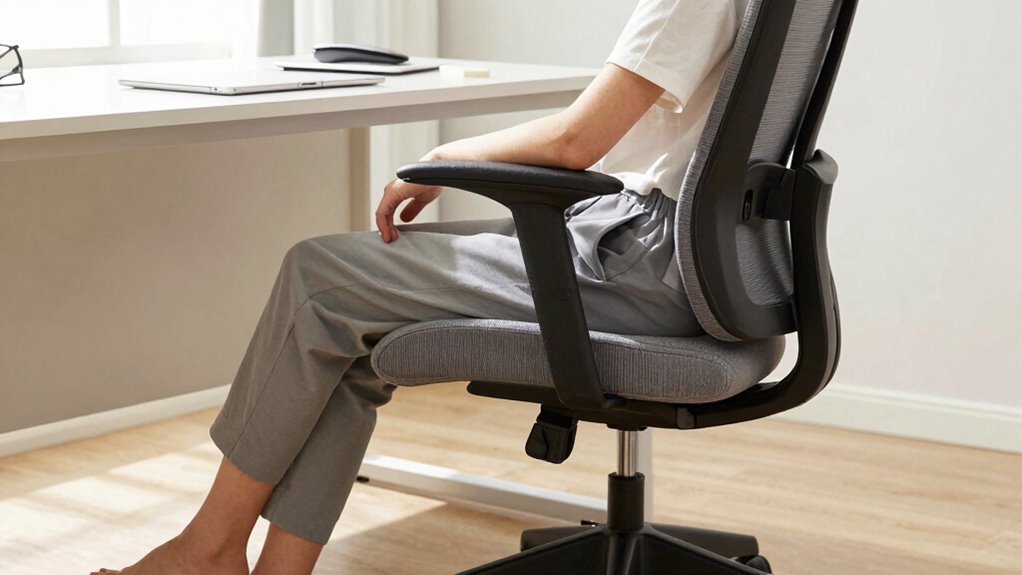

The 90° rule can be misleading because it encourages rigid postures that ignore your natural body movements and individual differences. Sitting with all joints at perfect right angles can cause discomfort, muscle imbalances, and restrict circulation. Instead, focus on allowing your hips, knees, and ankles to move freely, using gentle adjustments and hip-led shifts. Embracing dynamic positioning helps promote comfort and long-term health—if you want practical tips to sit better, you’ll find helpful insights ahead.
Key Takeaways
- Rigidly following the 90° rule can cause muscle imbalances and discomfort; natural body movement is more important.
- Prioritize hip-led adjustments and gentle rotations over fixed angles to promote better posture and comfort.
- Avoid static sitting; incorporate subtle shifts and dynamic movements for improved circulation and nerve health.
- Focus on maintaining a relaxed, natural spine alignment rather than forcing right angles.
- Embrace movement and flexibility in sitting positions to prevent stiffness and long-term musculoskeletal issues.
Top picks for "rule trap better"
Open Amazon search results for this keyword.
As an affiliate, we earn on qualifying purchases.
Why the 90° Rule Might Be Misleading
Have you ever followed the 90° rule and found your posture still feels uncomfortable or strained? That’s because this rule oversimplifies how our bodies naturally sit. It assumes everyone’s hips, knees, and ankles should be at right angles, but individual differences matter. Your body isn’t a one-size-fits-all machine. Forcing these angles can cause tension in your back, hips, and legs, even if your chair meets the 90° criteria. Plus, sitting at perfect right angles all day isn’t realistic or sustainable. Your body needs movement and variation to stay comfortable and healthy. Rigid adherence to the 90° rule may lead to discomfort over time, making you think you’re doing something wrong when, in reality, the rule doesn’t account for natural body diversity.
The Risks of Rigid Sitting Postures
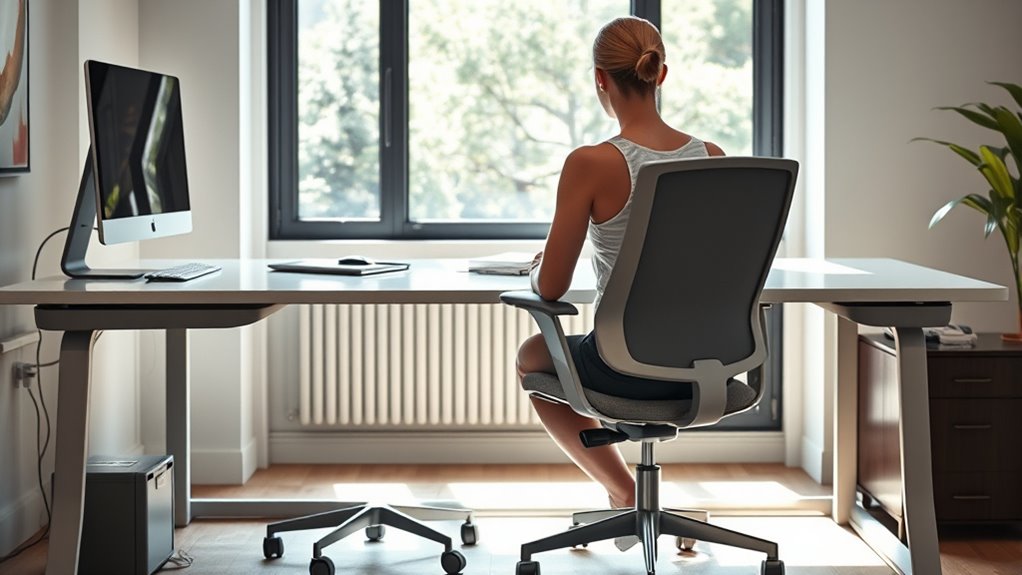
Rigid sitting postures can cause muscle imbalances that lead to discomfort and long-term issues. They also restrict circulation and put pressure on nerves, which can result in numbness or pain. Staying too stiff in your seat may do more harm than good over time.
Muscle Imbalances Develop
When you sit in a fixed posture for prolonged periods, certain muscles become overstretched while others weaken, leading to muscle imbalances. Over time, your chest muscles may tighten, pulling your shoulders forward, while your upper back muscles weaken and become less active. This imbalance affects your posture and can cause pain or discomfort. Your hip flexors often shorten and tighten, while your glutes and hamstrings weaken from disuse. These imbalances disrupt normal movement patterns, making you more prone to injury and reducing your overall stability. Sitting rigidly in the same position prevents your muscles from balancing each other out, creating tightness and weakness that are hard to correct without targeted movement. Recognizing this helps you understand why flexible, varied sitting habits matter.
Circulation and Nerve Issues
Prolonged periods of sitting in a fixed posture can restrict blood flow and compress nerves, leading to circulation problems and nerve-related discomfort. When you stay rigidly seated, your muscles remain tense, pinching blood vessels and limiting oxygen delivery to tissues. This can cause numbness, tingling, or a burning sensation, especially in your legs and buttocks. Nerve compression, such as from slouching or holding a stiff position, may also trigger pain or numbness radiating down your limbs. Over time, poor posture increases your risk of developing conditions like sciatica or peripheral nerve issues. Moving regularly and adopting dynamic sitting habits help relieve pressure, promote healthy circulation, and prevent nerve irritation. Staying flexible is essential for maintaining nerve health and avoiding these common, often overlooked, problems.
Understanding Natural Body Mechanics

To sit comfortably and avoid strain, focus on aligning your spine naturally without forcing it. Use your hips to turn and adjust your position instead of twisting your back. When you move with your body’s mechanics, you’ll find sitting feels more effortless and less painful.
Align Your Spine Naturally
Your spine naturally aligns itself when you move in ways that respect its biological design. Instead of forcing your body into rigid angles, listen to how your body feels and adjust accordingly. Maintain a gentle curve in your lower back and avoid flattening or over-arching your spine. Keep your head balanced over your shoulders and avoid jutting your chin forward. Distribute your weight evenly across your hips and sit with a relaxed posture. When you stay attentive to these natural movements, your body remains in its ideal position, reducing strain and discomfort. Respecting your spine’s natural alignment helps prevent long-term issues and promotes better posture without the need for strict rules or angles. Trust your body’s inherent design to guide your sitting position.
Use Hip Rotation
Understanding natural body mechanics involves paying attention to how your hips move and rotate as you sit. Instead of forcing your hips into fixed angles, allow them to adjust naturally with your body. When you sit, engage your hips to gently rotate and shift, rather than holding them rigidly. This movement helps distribute weight evenly and reduces strain on your lower back and pelvis. Use your hips as a foundation, aligning your pelvis with your spine. As you change positions, let your hips lead the movement, promoting fluidity and comfort. This approach encourages a more balanced posture, preventing tightness and stiffness. By focusing on hip rotation, you support natural alignment and create a more relaxed, sustainable sitting position.
Moving Beyond Fixed Angles for Comfort
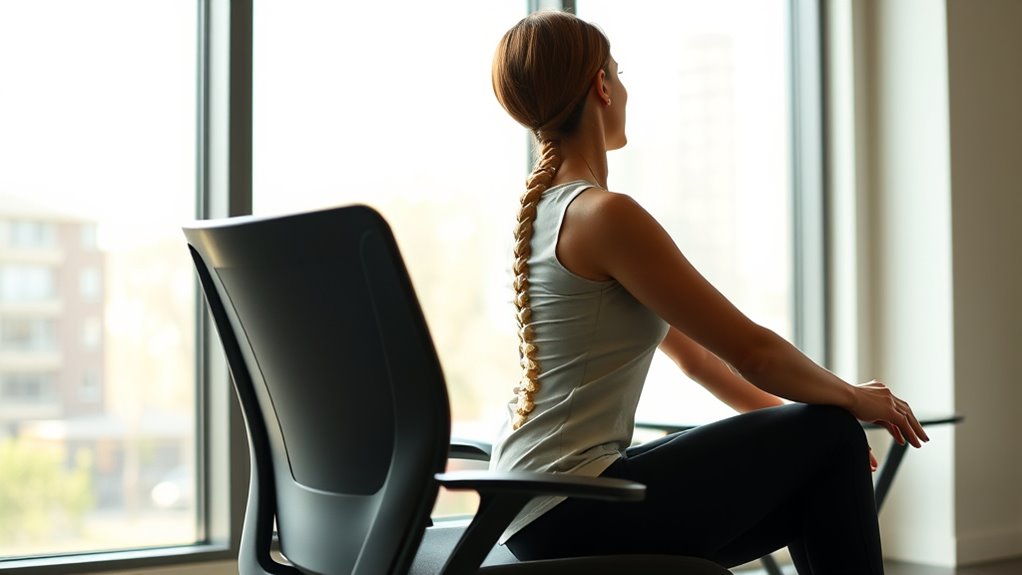
Rigidly sticking to fixed angles can actually limit comfort and movement, making it harder to find a natural, relaxed sitting posture. Instead of forcing your body into specific degrees, focus on allowing your joints to move freely and adapt to your activity. Your body isn’t meant to stay static; it thrives on subtle shifts and adjustments. By avoiding strict angles, you create space for your muscles and joints to engage comfortably, reducing strain. Let your hips, knees, and ankles move naturally as you sit, stretch, or shift positions. This flexibility helps prevent stiffness and discomfort, encouraging a more dynamic, comfortable posture. Moving beyond fixed angles allows your body to find balance and ease, promoting better circulation and reducing fatigue over time.
Practical Tips for Ergonomic Sitting

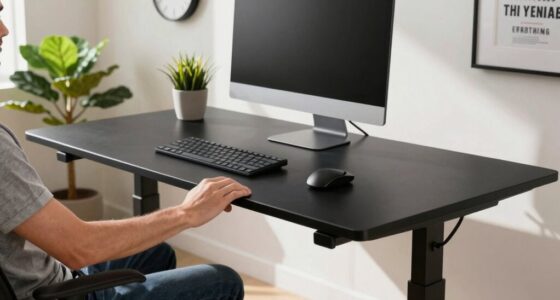
To sit ergonomically, start by adjusting your chair so that your feet rest flat on the floor and your knees are roughly level with your hips. Keep your back supported by the chair’s lumbar curve, avoiding slouching or leaning forward. Position your monitor at eye level so you don’t tilt your head up or down. Use a separate keyboard and mouse if needed, keeping your wrists straight and close to your body. Take short breaks every 30 minutes to stretch or change positions. Sit back fully in your chair, ensuring your lower back is supported. Keep your shoulders relaxed and elbows close to your sides at about a 90° angle. Remember, small adjustments throughout the day help prevent strain and promote comfort.
Creating a Dynamic and Supportive Workspace

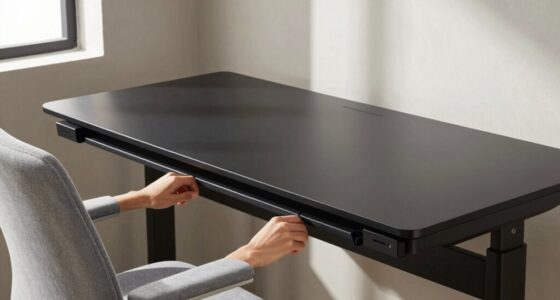
Creating a workspace that adapts to your needs helps maintain comfort and prevent strain throughout the day. Use adjustable furniture to support different postures, allowing you to switch positions easily. Incorporate a sit-stand desk or add risers to your current setup, giving you the flexibility to move between sitting and standing. Keep essentials within reach to avoid unnecessary stretching or twisting. Add ergonomic accessories like lumbar supports, footrests, and monitor risers to promote better alignment. Make sure your workspace is well-lit and free from clutter, which reduces stress and distractions. Regularly change your position and take short breaks to stretch. A dynamic, supportive workspace encourages movement, reduces fatigue, and helps you stay comfortable and focused all day long.
Frequently Asked Questions
How Does Individual Body Type Affect Optimal Sitting Posture?
Your body type greatly influences your ideal sitting posture. If you have a longer torso, you might need extra lumbar support to avoid slouching, while shorter legs may require a higher chair or footrest. Pay attention to your comfort and alignment, adjusting your seat and back support accordingly. By customizing your setup, you reduce strain and promote better posture, preventing discomfort caused by a generic approach that doesn’t consider your unique body shape.
Can Sitting Posture Influence Long-Term Spinal Health?
Your sitting posture can make or break your spinal health over time. Poor alignment can lead to chronic pain, nerve issues, and long-term damage—like a ticking time bomb inside your back. By maintaining a balanced, natural posture, you reduce strain and support your spine’s health. Be mindful of how you sit, adjust frequently, and prioritize comfort to prevent long-term spinal problems. Your future self will thank you!
Are There Specific Exercises to Improve Sitting Comfort?
Yes, you can improve sitting comfort with specific exercises. Try shoulder rolls to reduce tension, neck stretches to prevent stiffness, and seated spinal twists to enhance flexibility. Incorporate hip openers like pigeon pose or seated forward bends to release tightness. Regularly practicing these exercises helps maintain better posture, eases discomfort, and supports spinal health. Make them part of your daily routine for lasting sitting comfort.
How Often Should I Change My Sitting Position During the Day?
You should change your sitting position every 30 to 60 minutes, keeping your body’s rhythm like a gentle tide. Moving regularly prevents stiffness and improves circulation. Instead of sticking to one posture, shift your weight, stretch, or stand briefly. Think of it as giving your muscles a little dance break—this keeps discomfort at bay and helps you stay alert and comfortable all day long.
What Are Common Mistakes to Avoid in Ergonomic Sitting?
You should avoid slouching or leaning forward, as it strains your neck and back. Don’t sit with your legs crossed or feet tucked under you, which can cause imbalance. Keep your shoulders relaxed and your elbows close to your body. Avoid holding static positions for too long; instead, shift frequently. Make sure your screen is at eye level to prevent neck strain. Regular movement helps maintain good ergonomic health.
Conclusion
Remember, sticking to the 90° rule can actually increase discomfort—studies show that up to 80% of office workers experience pain from rigid postures. Instead, embrace movement and natural positions to keep your body relaxed and healthy. By shifting your sitting habits, you’ll reduce strain and boost productivity. So, don’t get trapped in fixed angles—your body’s natural mechanics deserve a more flexible, supportive approach. Your comfort and well-being depend on it.