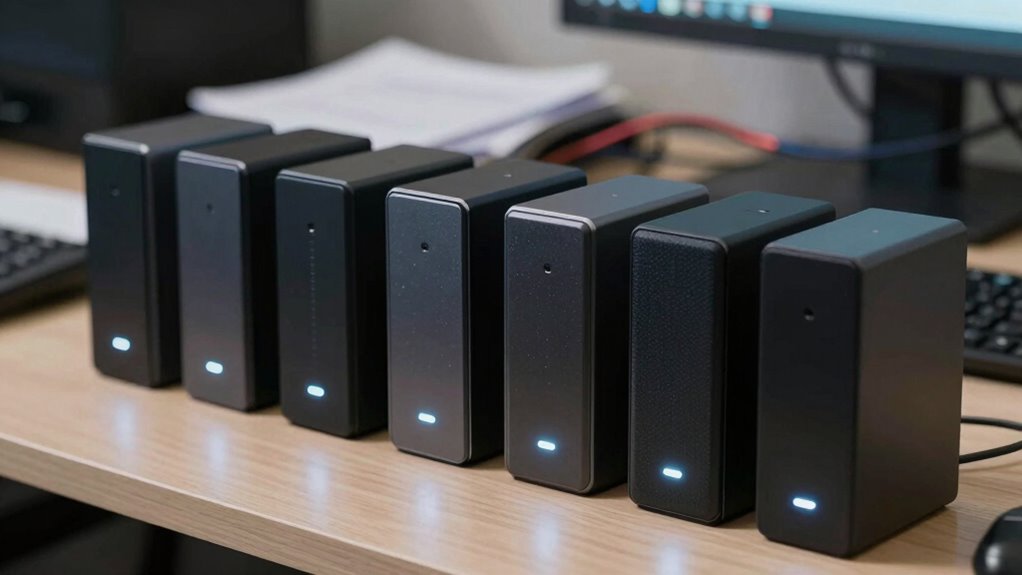

Many buyers fall into the capacity trap by choosing backup drives that are larger than they actually need, leading to unnecessary expenses and potential obsolescence. It’s tempting to buy the biggest drive for future growth, but this often results in underutilized storage and higher costs. Instead, you should assess your current data needs, plan for growth, and consider combining physical drives with cloud storage. Keep exploring to find smarter backup solutions tailored to your requirements.

Get comfort and recovery gear delivered free — and shop member deals
- Fast, free delivery on millions of items
- Access to Prime Big Deal Days deals on October 6–7
- Prime Video, Amazon Music and more included
Key Takeaways
- Buyers often overestimate storage needs, leading to unnecessary expenses and underutilized drives.
- Larger capacity drives are more costly and less portable, causing potential obsolescence as data grows.
- Focusing solely on capacity can result in overspending without considering actual backup requirements.
- The capacity trap occurs when users prioritize size over efficient, balanced storage solutions.
- Combining moderate physical drives with cloud storage offers a cost-effective, scalable backup strategy.
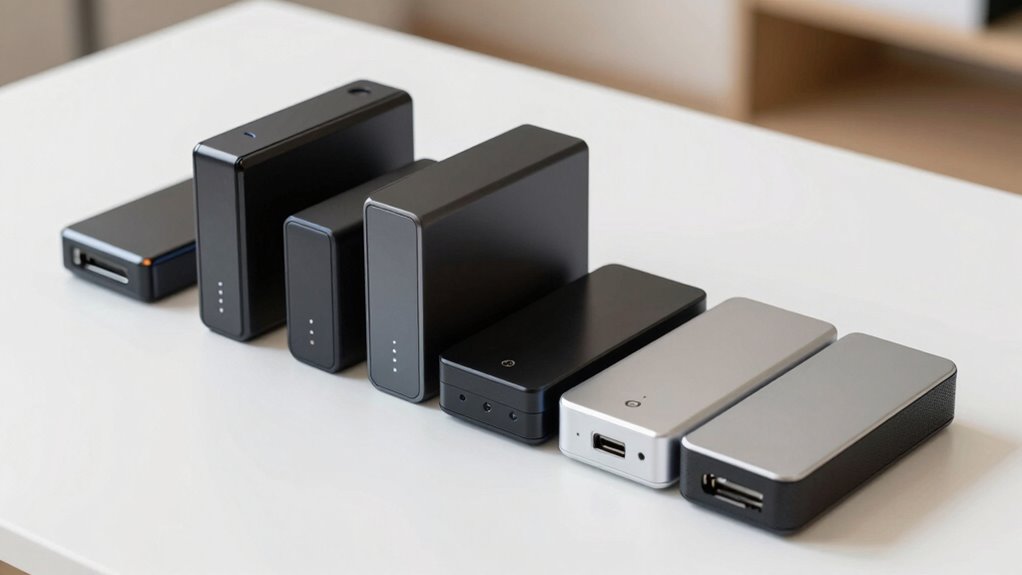
Have you ever lost important files and wished you had a quick way to recover them? That’s where backup drives come into play. They’re designed to protect your data from unexpected mishaps, but many buyers fall into the trap of overestimating their storage needs. It’s tempting to choose a drive with enormous capacity, thinking it’ll cover everything. But bigger isn’t always better if it leads to unnecessary expenses or complicates your backup process. Instead, you should focus on what’s essential for your data and how you plan to back it up efficiently.
When considering a backup drive, it’s crucial to think about the role of cloud storage. Cloud solutions offer flexibility and off-site protection, which significantly reduces the risk of data loss from theft, fire, or hardware failure. Combining local backup drives with cloud storage creates a layered defense, giving you peace of mind. Many cloud services also prioritize data encryption, ensuring that your files remain private and secure during transfer and storage. This added layer of security is vital, especially if you handle sensitive information. By integrating cloud storage into your backup strategy, you avoid the trap of buying a massive drive that may never be fully utilized, and you benefit from the added security of data encryption. Additionally, understanding storage capacity helps you make more informed decisions and avoid overspending on unnecessary space. Recognizing your growth in data over time can help you plan for future needs without over-investing initially.
Combine local drives with cloud storage for layered, secure backup protection and peace of mind.
However, even with cloud options, physical backup drives still matter. They provide quick access to your files without relying on internet speed or service availability. But don’t be fooled into buying the largest capacity drive just because it’s on sale or because it seems like the “safe” choice. Instead, assess your actual storage needs—consider how much data you generate regularly and how often you perform backups. Buying a drive with capacity just above your current needs might seem wise, but it can quickly become obsolete as your data grows. Plus, large drives tend to be more expensive, and their size can make them less portable or more difficult to manage. Understanding storage needs ensures you’re making a smart choice tailored to your situation. Knowing how your data increases over time can also help prevent unnecessary purchases and ensure your backup plan remains manageable and cost-effective. It’s also helpful to stay informed about data management practices to optimize your storage solutions. Being aware of storage technology developments can help you choose solutions that are both current and future-proof.
In the end, the key is balance. Choose a backup drive that meets your current needs but also allows some room for growth. Think about integrating cloud storage with data encryption to enhance both security and convenience. Avoid the capacity trap by focusing on smart, strategic choices rather than sheer size. This way, you’ll stay protected without overspending or dealing with unnecessary complexity, ensuring your important files are always within reach when you need them.
As an affiliate, we earn on qualifying purchases.
Frequently Asked Questions
How Often Should I Upgrade My Backup Drive?
You should upgrade your backup drive every 3 to 5 years, especially if you’re relying on physical storage. As your data grows, consider cloud backup options for extra security and ease. When upgrading, check that your new drive supports strong encryption methods to protect your files. Regularly updating guarantees your backups stay current, and integrating cloud backup can help avoid the capacity trap, keeping your data safe and accessible.
What Are the Best Brands for Reliable Backup Drives?
Like the trusty steed of yesteryear, some brands still stand out. For reliable backup drives, consider Western Digital, Seagate, or Samsung. They offer strong drive encryption features and seamless cloud synchronization, ensuring your data stays secure and accessible. These brands have a proven track record, making them excellent choices for safeguarding your files. You can trust their durability and performance, so you won’t have to worry about losing important data.
Can Backup Drives Be Used for Primary Data Storage?
You can technically use backup drives as primary storage, but it’s not ideal. Backup drives typically have slower data transfer speeds, which can hinder performance for daily tasks. Plus, they often lack advanced drive encryption methods needed for secure, ongoing use. For reliable primary storage, consider drives designed for speed, durability, and security, ensuring your data remains accessible and protected without sacrificing performance.
How Do I Securely Erase Data From My Backup Drive?
Ironically, you might think deleting files from your backup drive is enough, but secure deletion is essential. To truly erase data, use data encryption beforehand, which adds a layer of security. Then, perform a secure deletion with specialized software that overwrites the data multiple times, ensuring it can’t be recovered. Remember, simply deleting files isn’t enough; true security requires proactive measures to permanently erase sensitive information.
Are There Compatibility Issues With Different Operating Systems?
Yes, compatibility issues can arise due to different file systems and operating systems. If your backup drive uses a file system like NTFS, it works well with Windows but may require additional software for macOS. To guarantee cross-platform compatibility, consider formatting your drive with exFAT, which supports both Windows and macOS. Always check your OS’s support for the file system before choosing a drive format for seamless backups across systems.
As an affiliate, we earn on qualifying purchases.
Conclusion
Don’t fall into the capacity trap, thinking bigger always means better. Remember, even the most advanced backup drives are only as useful as your habits. Think of it like a trusty scroll—more space doesn’t matter if you don’t regularly update or organize it. In today’s digital age, it’s not about having the largest drive, but about being smart with what you store. Keep your data safe, and don’t get lost in the size game—it’s a lesson from the wise old librarian.
As an affiliate, we earn on qualifying purchases.
backup drive with data encryption
As an affiliate, we earn on qualifying purchases.
As an affiliate, we earn on qualifying purchases.
Fall Picks
fall essentials
As an affiliate, we earn on qualifying purchases.